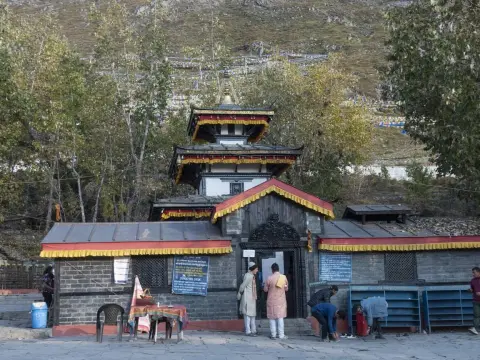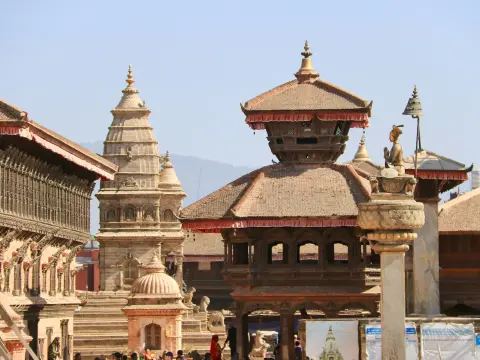
Nepal Mandala, the word comes from MANDAPA or MANDALA . The word represent the geometrical shapes of Universe which similar like the shape of Kathmandu. Therefore the trip name became Nepal Mandala. An easy trip. No age bar any aged people can make trip. of course child below 12 to be accompanied by parents or recognized guardians.No need special attires apart from usual seasonal wears..
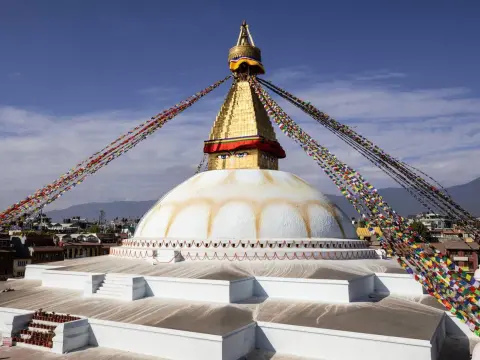
Kathmandu Valley, earlier named Nepal Mandala, was once a great lake named Kali Daha. Bodhisattva Mahamanjushree stepped into the surrounding hills of the valley. From the northern side. Meanwhile, he had seen a light sparkling out from the lotus flower over the central lake.While he saw the brightness of light, he decided to cut the hill and drain out the water from the lake. Then he cut with his sword and drained the water out. Also believed, he brought several workers (those who work JYA YA U PI or JYA YAU FUN, later pronounced JYA YAPU) with him to cut the hill, and they were settled in the valley while it became suitable to habitat, then slowly people started to migrate from different sides and settled in the valley. Bodhisatwa went and stayed on top of NAGARJUNA, called Jamacho, and later he came and stayed in the western slope ridge of Swayambhu hill, from where the lotus light was coming out.Mata Tirtha was the administrative (A kind of traditional mastery system) centre of those days. The Naga clans were replaced by the Gopal dynasty (Also called Dwarakayan), then by the Mahispala (Also called Mathurayan ), then by the Kirat dynasty. The Yalambera was the first king of the Kirati dynasty, who gained victory over the Mahispala and established his own kingdom. After a few years, he shifted his administrative center to Gokarna, praying and worshipping the gods and goddesses, and giving the lamp (Batti) from the Place where the Bauddhanath stupa is located nowadays. Later, King Yalamber shifted to YALA (Patan or Lalitpur), and he began to rule from there. Also said that Yalambara was the first king who began to rule through MURDUN, A law that has been guided in the name of god and Goddess, and also he tied his kingdom by tantrism to avoid the evils in the kingdom, and ruled peacefully. Then replaced by latecomers, what Lichhawi means, the ruling period of lichhawi dynesty was remain the golden age of Nepal. Since then, Nepal has begun to develop in the ruling system, art and artifacts, development of cities, structural management, etc., as was essential then. Mana Deva became the first officially recognized king to rule the valley. The developments of art and architecture continued till the 18th century in the Malla dynasty too. The surrounding mountains, which offer panoramic views of snowcapped mountains and the spectacular aerial views of the valley.After the historical unification by Prithivi Narayan Shah, modern Nepal began to take shape. It was continuously stretched at the time of King Ranabahadur Shah. Nepal became greater from the Tista, in the east, to the Kagada in the west. The Treaty of 1816 between Nepal and the East India Company shrank Nepal smaller, and Prime Minister Janga Bahadur Rana became possibe get return certain areas. Since then, Nepal has taken this shape and size.An open museum makes you comfortable watching the evidence and knowing the historical truths, through our guide, like a storyteller.Best season for an open museum.The Kathmandu Valley Tour can be enjoyed year-round, but certain seasons offer a more comfortable and visually rewarding experience. According to Nepal Holidays Planner, the best times to explore the valley are autumn (September to November) and spring (March to May and Late September to Early December ). These seasons provide clear skies, pleasant temperatures, and vibrant cultural surroundings, making sightseeing more enjoyable and photogenic.
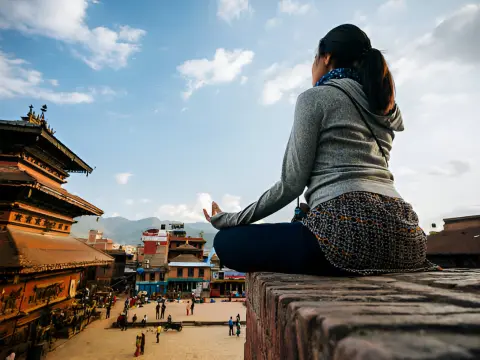
The yoga and meditation classes with NHP team a complete mindful game self healing process. We also adopt body detoxicating process using yoga and naturopathy treatment practices in clouding different methods of therapies. then continue practices of yoga and meditations and follows by natural treatments under the guidance of professional naturopathies or aayurvedic consultants. We haven chosen few of tranquil and idol places close to the nature which suits to courses. Here, in this package, we have chosen Pokhara, a touristic city and major trek transit to Annapurna region. where the flavor of immersive nature and cultures are plenty. Your drive or flight move from Kathmandu with scenic views of different landscapes, panoramic vies of snowcapped mountains. Soon after you arrive to Pokhara, you will be transferred to a boutique hotel or century resorts, the yoga meditation practicing and retreat centers. Accommodations will be at it's tranquility where nutritious vegetarian meals included to support your wellness journey.
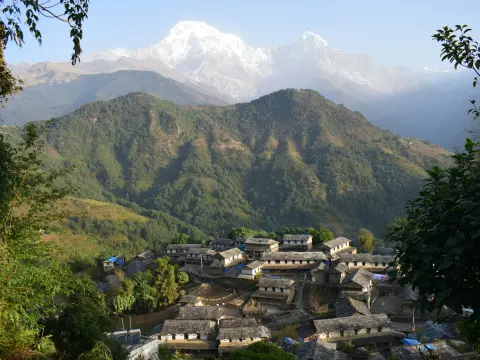
Wakeup with the first singing of the birds and over look around, the freshness of the mountains with the pure breathing airs awaits you offers the stunning views of sprayed sun rays over the snowcapped. simultaneously, the terraced faddy fields with lush greeneries around makes you feel the inner being rhythm is in harmony with nature’s flow. On top a simple living technique, with domestically prepared organic food dietaries and the moments being away from the life driven by technology and urban routines gives you fully energizes and refreshed in order to resume the pause time. HNP expertise in managing entirely.Stay will be in the village or country side.It's a practice in living, mindfully involving in the nature-based activities.Engage by observing or involving in organic farming, traditionally methods of therapies and naturopathy. Trekking and Hiking in pristine natures and beautiful landscapes. Why choose this Retreat ?Himalayan tranquility – Pure air, majestic mountains & lush green valleys.Authentic village experience – Live in remote villages & experience Nepal’s simple yet fulfilling lifestyle.Organic farm to table living – Learn about traditional farming, cook with fresh produce, and enjoy mindful eating.Forest & river therapy – Heal through nature walks, waterfalls & meditation in sacred sites.Eco-conscious travel – Support local communities & engage in sustainable tourism.Retreat Duration (7-14 days)Customized packages are available upon request.
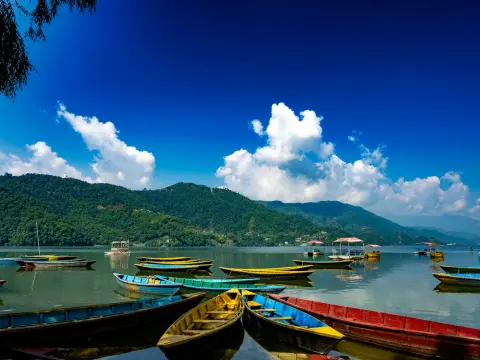
The ancestor's health caring techniqueThe world today faster growing in communications, information sharing, inventions news in technologies like day to day advancing AI, In this context, the life in urban becoming ore compotator day by day on top of machine like lifestyle. Even people are far away of thinking owns elf to live happy life. which ultimately becomes the major causes of over stressed, anxiety, burning out, hypertensions, which makes gradual loosing of the level of critical thinking and overall growth either mentally or physically even materially which, ultimately affects general productivities and dragging towards spoiling situations. Which i feel the greatest challenges to every urbans globes. In this context we have found the best options, which our ancestors used to apply and introduced on the name of "Ancestors health caring technique" which disconnects from all these burdens and rejuvenate physically and mentally managing scared souls and over crowed minds and restores the inner balances again. The program blends mindfulness, adventurous, wellness practices, set close to the serene nature on the lap of Himalayas certainly brings changes in participants. That we believe the package may becomes an ideal programs for office executives, professionals & wellness seekers and eagers for a transformative escape. Why not try once.Why Nepal ?Reconnect with nature – Experience the healing power of Nepal’s pristine mountains, forests, rivers, lakes, waterfalls, etc.Mindfulness & meditation retreats – Practice guided meditation and breathing exercises to calm the mind.Yoga, meditations and natural healing process – Daily yoga sessions to enhance flexibility, reduce stress, and improve mental clarity.Gentle adventure & digital detox – Hiking, forest walk, and nature immersion for physical, mental detoxicating and cleansingWellness therapies & Naturopathy and Ayurvedic Treatments – Traditional healing therapies to rejuvenate the body and mind.Sustainable & cultural experience – Engage with local communities & experience Nepalese wellness traditions.The NHPIt's managed by well studied and decades long experienced by practices Customized stress relief programs – tailored as per individual & corporate requirements..prioritized safety and best comforts of participants – certified guides, wellness experts, and 24/7 support.Sustainable & ethical tourism practices – supporting local communities & eco-conscious travel.The facilities Package duration Beginners: 5-7 DaysIntermediate courses: 21-30 daysAdvanced: 45 - 60 or more days.Accommodation type: Full board accommodations with vegetarian dietaries in Boutique Hotels, Country resorts, Farm houses and Eco retreat centers. Group size: (solo, couples, small groups, or corporate teams).Personalized packages are available upon request.
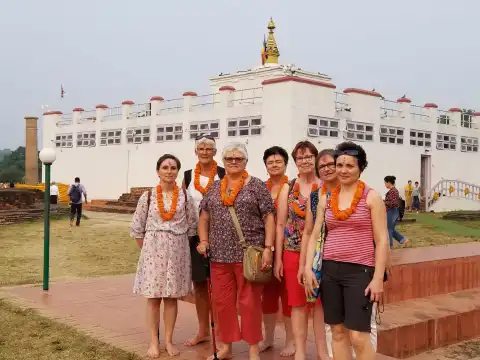
A mindfulness journey to the Himalayan laps. The world to day is going to be more tuff da by day, that compelled man to be like machines or machinery man AI. Which affects natural human life and victimized by over stressed, anxiety, hypertensions and many such kind of problems. Where NHP introduced mindfulness journeys to the Himalayan laps in order to escaped out from such problems and to rejuvenate physically and mentally, managing scared souls and over crowed minds and restores the inner balances again. The program blends mindfulness, adventurous, wellness practices, set close to the serene nature on the lap of Himalayas certainly brings changes in participants. That we believe the package may becomes an ideal programs for office executives, professionals & wellness seekers and eagers for a transformative escape. Why not try once.Why Nepal ?Reconnect with nature – Experience the healing power of Nepal’s pristine mountains, forests, rivers, lakes, waterfalls, etc.Mindfulness & meditation retreats – Practice guided meditation and breathing exercises to calm the mind.Yoga, meditations and natural healing process – Daily yoga sessions to enhance flexibility, reduce stress, and improve mental clarity.Gentle adventure & digital detox – Hiking, forest walk, and nature immersion for physical, mental detoxicating and cleansingWellness therapies & Naturopathy and Ayurvedic Treatments – Traditional healing therapies to rejuvenate the body and mind.Sustainable & cultural experience – Engage with local communities & experience Nepalese wellness traditions.The NHPIt's managed by well studied and decades long experienced by practices Customized stress relief programs – tailored as per individual & corporate requirements..prioritized safety and best comforts of participants – certified guides, wellness experts, and 24/7 support.Sustainable & ethical tourism practices – supporting local communities & eco-conscious travel.The facilities Package duration Beginners: 5-7 DaysIntermediate courses: 21-30 daysAdvanced: 45 - 60 or more days.Accommodation type: Full board accommodations with vegetarian dietaries in Boutique Hotels, Country resorts, Farm houses and Eco retreat centers. Group size: (solo, couples, small groups, or corporate teams).Personalized packages are available upon request.
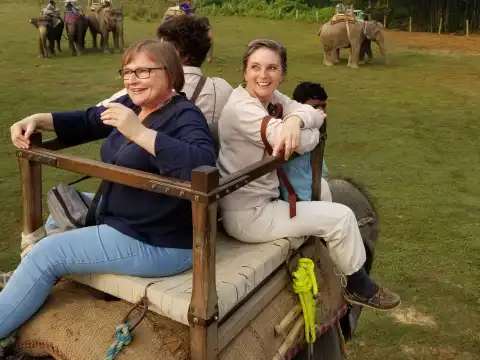
A Wildlife Safari Tour in Chitwan offers an unforgettable journey to the heart of Nepal’s first and most famous National Park, Chitwan National Park listed in UNESCO World Heritage Site known for its remarkable biodiversity and lush tropical landscapes. Located in the lowland Terai region, this tour immerses visitors in the dense jungles and open grasslands where iconic wildlife roams freely. Travelers can embark on thrilling jeep safaris or peaceful canoe rides along the Rapti River, with chances to spot the rare one-horned rhinoceros, royal Bengal tiger, wild elephants, sloth bears, gharials, and an incredible variety of bird species and insects including the rear species of butterflies. Jungle walks and visits to the elephant breeding center offer deeper insight into local conservation efforts. The experience is enriched by cultural interactions with the indigenous Tharu community, and their traditional dances, culinary food and daily lifestyles provide a vibrant glimpse into local heritage. This tour is perfect for nature lovers seeking both adventure and relaxation and admit one of Asia’s most celebrated wildlife sanctuaries.UNESCO World Heritage Site explorationJeep safari and canoe ride experiencesWildlife spotting: rhino, tiger, elephantsTharu cultural program and village visitBirdwatching and jungle explorationProffered season to visit:The best time to visit Chitwan National Park is during the autumn (October to December) and spring (February to April) seasons. These months offer pleasant temperatures, clear skies, and excellent visibility for wildlife viewing. Animals are more active, and the dry forest conditions make it easier to spot rare species during safari activities arranged by Nepal Holidays Planner.The winter months also provide comfortable jungle exploration conditions, while the monsoon season (June to September) brings heavy rainfall, dense vegetation, and limited safari access. However, bird watchers may still enjoy migratory species during certain periods. Choosing the right season ensures a more rewarding and comfortable safari experience.The seasonal highlights:October–December: peak wildlife visibilityFebruary–April: ideal jungle conditionsClear skies for photographyComfortable safari temperaturesHigh chance of tiger and rhino sightingsWhy Choose Wildlife Safari Tour in Chitwan National ParkChoosing a Wildlife Safari Tour in Chitwan with Nepal Holidays Planner ensures a well-organized, safe, and enriching jungle experience. The tour is designed for nature lovers, photographers, families, and adventure seekers who want to explore Nepal beyond the Himalayas. It combines wildlife exploration with cultural immersion and comfortable accommodation. The nearer and easy accessible destinations.This safari experience is unique because it offers close encounters with endangered wildlife while supporting conservation efforts and local communities. Professional guides, well-planned itineraries, and diverse activities make the journey both educational and exciting. It is one of the best ways to experience Nepal’s natural heritage in a short and memorable trip.Tour tips:Expert-guided safari experiencesSafe and comfortable travel arrangementsRich wildlife and bird diversityCultural interaction with the Tharu communityAll-inclusive itinerary by Nepal Holidays Planner
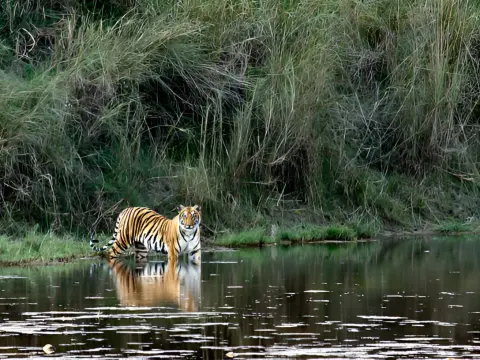
A Wildlife Safari Tour in Bardiya National Park offers an immersive experience into one of Nepal’s most pristine and less-traveled wilderness areas. Located in the far-western region of the country, Bardiya is home to a wide variety of flora and fauna, including the endangered Royal Bengal Tiger, one-horned rhinoceros, wild elephants, leopards, and over 400 species of birds. This tour typically includes guided jeep safaris, nature walks, bird watching, and canoe rides along the Karnali River, providing ample opportunities to observe wildlife in their natural habitat. Visitors also get the chance to explore the Tharu culture through village tours and traditional performances. With its serene landscapes, dense sal forests, and abundant wildlife, Bardiya National Park is a perfect destination for nature lovers and adventure seekers looking to experience the wild beauty of Nepal beyond the Himalayas.A Wildlife Safari Tour in Bardiya National Park with Nepal Holidays Planner is a carefully designed journey into one of Nepal’s most untouched and biodiverse protected areas. Located in the western Terai region, Bardiya National Park is the largest national park in the lowlands of Nepal and is known for its peaceful environment, dense sal forests, grasslands, and riverine ecosystems. Unlike more crowded parks, Bardiya offers a raw and authentic jungle experience where visitors can truly feel connected with nature.This 6-day safari package typically begins in Kathmandu and continues through Nepalgunj before reaching Bardiya, combining scenic travel with immersive wildlife exploration. The park is home to rare and endangered species such as the Royal Bengal Tiger, one-horned rhinoceros, wild elephants, gharial crocodiles, swamp deer, and over 400 species of birds. Activities include jeep safaris, jungle walks, river safaris on the Karnali River, and birdwatching tours guided by experienced naturalists.Visitors also gain cultural insight through visits to Tharu villages, where traditional dance, food, and lifestyle reflect the deep connection between people and the forest. Nepal Holidays Planner ensures safe transport, professional guides, and comfortable accommodation throughout the trip.Explore Nepal’s largest lowland national park.Chance to spot the Royal Bengal Tiger and elephantsJeep safari, jungle walk, and river safari experienceRich birdlife with 400+ speciesCultural visit to Tharu communitiesFully guided tour by Nepal Holidays PlannerBest Season for Wildlife Safari Tour in Bardiya National ParkThe best time to join a Wildlife Safari Tour in Bardiya National Park with Nepal Holidays Planner is during the autumn (September to November) and spring (March to May) seasons. These periods offer the most favorable weather conditions for jungle exploration and wildlife sightings. The skies remain mostly clear, temperatures are moderate, and visibility inside the forest is significantly better, making it easier to spot animals in their natural habitat.During autumn, the park is lush after the monsoon, and animals are highly active. Similarly, spring brings warm weather and blooming vegetation, attracting many bird species and herbivores to open grasslands. These conditions also increase the chances of spotting elusive predators like the Bengal tiger and leopard. Winter (December to February) is also good for safari, especially for birdwatching, though mornings can be cold. The monsoon season (June to August) is generally less recommended due to heavy rainfall and slippery trails.Nepal Holidays Planner carefully schedules safari activities based on seasonal wildlife behavior to maximize your experience. Expert guides adjust safari routes, timing, and activities to ensure guests enjoy safe and rewarding encounters with nature.Key Seasonal Insights:Best seasons: Autumn (Sep–Nov) and Spring (Mar–May)Clear visibility for wildlife spottingHigh chances of tiger and elephant sightingsWinter is ideal for birdwatchingMonsoon less suitable due to heavy rainProfessionally guided seasonal planning by Nepal Holidays PlannerWhy Choose Wildlife Safari Tour in Bardiya National ParkChoosing a Wildlife Safari Tour in Bardiya National Park with Nepal Holidays Planner offers a unique blend of adventure, conservation experience, and cultural immersion. Unlike more commercial safari destinations, Bardiya provides a peaceful and less crowded environment where visitors can enjoy nature in its purest form. This makes it an ideal destination for travelers seeking authentic wildlife encounters in Nepal.The park’s rich biodiversity, including endangered species like the Royal Bengal Tiger and one-horned rhinoceros, makes every safari unpredictable and exciting. With multiple safari options such as jeep drives, jungle walks, and river excursions, visitors can experience wildlife from different perspectives. Additionally, the presence of experienced naturalists enhances the chances of spotting rare animals while ensuring safety and education throughout the journey.Another strong reason to choose this tour is the cultural dimension. The Tharu communities living around Bardiya offer warm hospitality and a deep-rooted connection to the forest ecosystem. Their traditions, food, and performances add meaningful cultural value to the safari experience.Nepal Holidays Planner ensures a well-organized itinerary, comfortable accommodation, and expert guidance, making the journey smooth and memorable from start to finish.Key Reasons to Choose This Tour:Less crowded and highly natural wildlife experienceHigh probability of seeing rare animals like tigersMultiple safari activities (jeep, walk, river)Rich cultural experience with the Tharu communitiesExpert naturalist guides and safe arrangementsOrganized, comfortable tour by Nepal Holidays Planner
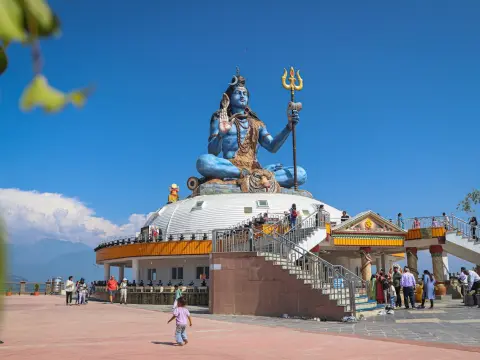
Shiva temples visit and seeking mountain blessings is a spiritually enriching nearly a week long journey through Nepal that blends devotion, culture, and the serene presence of the Himalayas. The trip begins in Kathmandu with a powerful visit to the sacred Pashupatinath Temple, one of the holiest shrines dedicated to Lord Shiva. Pilgrims explore other revered sites such as Guheswari Temple and Doleswar Mahadev, steeped in mythological significance. When pilgrims travel to Pokhara, they are greeted by breathtaking mountain landscapes and tranquil lakes, where they continue their spiritual exploration at Bindabashini temple, mystical Gupteshwor Mahadev Cave, and Pumdikot Shiva statue. Alongside temple visits, the journey offers moments of reflection, scenic beauty, and cultural immersion, culminating in a peaceful farewell with blessings from the mountains & the divine presence of Lord Shiva. This trip is perfect for those seeking a soulful connection with nature, spirituality, and Himalayan serenity.Tour tips:Sacred Shiva shakti circuit in Kathmandu and PokharaAarati and special pooja oppertunity.An exploration of Doleshwor MahadevCultural immersion with a peaceful travel paceThis journey ultimately offers more than travel—it provides a pathway toward stillness, devotion, and a deeper connection with the timeless energy of Shiva shakta
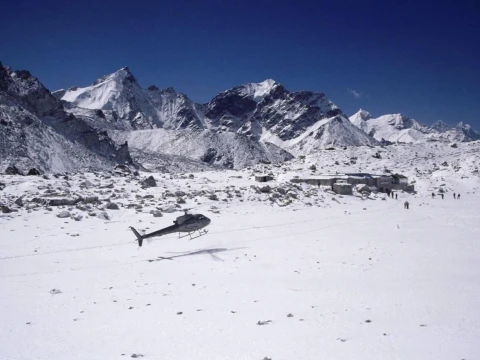
The Everest Helicopter Tour from Kathmandu, offered by Nepal Holidays Planne,r is one of the fastest and most luxurious ways to experience the world’s highest peak, Mount Everest (8,848.86 m), along with the breathtaking Himalayan range. This tour is designed for travellers who want to witness Everest, glaciers, and high-altitude landscapes in a single morning without requiring days of trekking. The journey begins early from Kathmandu and takes you through iconic locations such as Lukla, Pheriche, Kalapatthar, and the Everest View Hotel, combining adventure, comfort, and panoramic beauty in just a few hours.The experience is carefully planned with altitude safety and weather conditions in mind. After a scenic flight from Kathmandu to Lukla, the helicopter continues toward higher Himalayan zones where passengers witness dramatic views of snow-covered peaks, deep valleys, and the legendary Khumbu Glacier. A highlight of the tour is the landing at Kalapatthar (weather permitting), one of the closest viewpoints of Mount Everest. Another unforgettable stop is breakfast at Hotel Everest View, the world’s highest luxury hotel. The return journey completes a full aerial exploration of the Everest region.Early morning departure from Kathmandu (5:30 AM)Scenic flight over Lukla, Pheriche, and the Khumbu regionLanding at Kalapatthar for Everest close-up viewsBreakfast at Hotel Everest ViewReturn to Kathmandu by late morningBest Season for Everest Helicopter Tour from KathmanduThe best season for the Everest Helicopter Tour from Kathmandu is during the clear-weather months when Himalayan visibility is at its peak. Nepal Holidays Planner recommends two primary seasons: spring (March to May) and autumn (September to November). During these periods, the skies are generally stable, winds are calmer, and visibility is excellent, allowing travellers to enjoy uninterrupted panoramic views of Mount Everest and surrounding peaks like Lhotse, Nuptse, and Ama Dablam.Spring offers a slightly warmer climate with blooming rhododendrons in the lower hills, adding vibrant colours to the landscape below. Autumn, on the other hand, follows the monsoon season, leaving behind crystal-clear skies and sharp mountain visibility. These seasons are also the most reliable for helicopter operations due to reduced chances of flight delays or cancellations. Winter can also be considered for experienced travellers, but extreme cold and occasional snow can affect landing conditions at high-altitude points like Kalapatthar.Seasonal highlights:Spring (March–May): Clear skies, blooming landscapes, stable weatherAutumn (Sept–Nov): Best visibility, crisp air, ideal flying conditionsWinter (Dec–Feb): Possible but cold with weather risksMonsoon (June–Aug): Generally not recommended due to poor visibilityChoosing the right season ensures the best photographic opportunities, safer flights, and a more comfortable overall experience.Why Choose Everest Helicopter Tour from KathmanduChoosing Everest Helicopter Tour from Kathmandu with Nepal Holidays Planner is ideal for travellers who want a premium Himalayan experience in a short time. Unlike traditional trekking routes that take several days or weeks, this helicopter tour allows you to witness Everest’s grandeur within a single morning. It is perfect for families, elderly travellers, honeymoon couples, photographers, and anyone with limited time but a strong desire to see the world’s tallest mountain up close.The tour combines luxury, safety, and convenience. Nepal Holidays Planner ensures professional pilots, well-maintained helicopters, and carefully planned routes to maximise both safety and sightseeing. The inclusion of multiple scenic stops such as Lukla, Kalapatthar, and Everest View Hotel makes the journey diverse and immersive. The aerial perspective also allows you to see the massive Himalayan glacier systems and remote Sherpa settlements that are otherwise inaccessible.Reasons to choose this tour:Time-efficient Everest experience (half-day trip)Safe and professionally operated flightsClose-up view of Mount Everest and surrounding peaksLanding at the iconic Kalapatthar viewpointBreakfast at the world-famous Hotel Everest ViewSuitable for all age groups and fitness levelsOrganised by an experienced operator, Nepal Holidays PlannerOverall, this helicopter tour is not just a flight—it is a once-in-a-lifetime Himalayan adventure that combines luxury travel with the raw beauty of the Everest region.
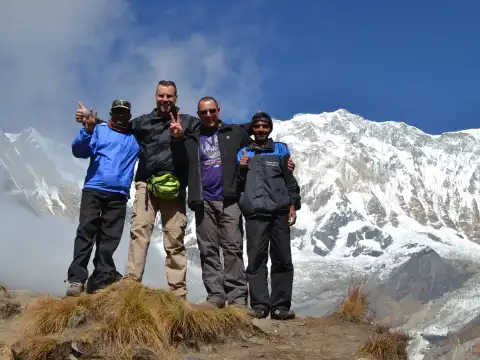
The Annapurna Heli Tour from Kathmandu is a premium, time-efficient Himalayan adventure that allows travellers to experience the breathtaking Annapurna region in a single day. Organised by Nepal Holidays Planner, this tour is designed for those who want to witness the grandeur of the Himalayas without undertaking a long trekking journey. The helicopter flight takes you from the bustling capital city of Kathmandu to the heart of the Annapurna Sanctuary, offering a rare aerial perspective of Nepal’s diverse landscapes.The journey begins early in the morning with a hotel pickup and transfer to Tribhuvan International Airport. From there, the helicopter flies over lush valleys, terraced hillsides, rivers, and traditional villages before reaching Pokhara for a brief technical stop. The highlight of the tour is the landing at Annapurna Base Camp (ABC), surrounded by towering peaks such as Annapurna I (8091 m), Machhapuchhre (Fishtail), Hiunchuli, and other Himalayan giants. Guests can spend a short but memorable time at ABC, enjoying panoramic mountain views and capturing unforgettable photographs.Scenic helicopter flight from Kathmandu to the Annapurna regionAerial views of hills, rivers, and Himalayan landscapesLanding at Annapurna Base Camp (4,130 m approx.)Close-up view of the Annapurna massif and MachhapuchhreSame-day return to KathmanduThis tour is ideal for luxury travellers, photographers, families, and those with limited time but a strong desire to experience the Himalayas.Best Season for Annapurna Heli Tour from KathmanduThe best time to undertake the Annapurna Heli Tour from Kathmandu is during the spring (March to May) and autumn (September to November) seasons. These months offer the clearest skies, stable weather conditions, and the best visibility of the Himalayan ranges. During spring, the landscape is enriched with blooming rhododendrons and lush greenery, while autumn provides crisp air and excellent mountain clarity after the monsoon season.Winter (December to February) can also be suitable for heli tours, especially for those seeking snow-covered landscapes and dramatic views of the Annapurna region. However, temperatures at the base camp are extremely cold, and flights may occasionally be affected by weather conditions. The monsoon season (June to August) is generally less favourable due to heavy rainfall, cloud cover, and reduced visibility, which can impact flight safety and scenic experience.Nepal Holidays Planner carefully monitors weather conditions before each flight to ensure passenger safety and optimal viewing experiences. Flexibility in scheduling is often recommended during less stable seasons.Key Highlights:Best seasons: Spring (Mar–May) & Autumn (Sep–Nov)Clear skies and excellent mountain visibilityWinter offers snowy, dramatic landscapes. The monsoon season is generally avoided due to poor visibilityWeather monitoring ensures safe flight operationsChoosing the right season significantly enhances the overall experience, making the helicopter journey more scenic and memorable.Why Choose Annapurna Heli Tour from KathmanduChoosing the Annapurna Heli Tour with Nepal Holidays Planner offers a unique combination of luxury, comfort, and adventure. Unlike traditional trekking routes that take several days or weeks, this helicopter tour allows travellers to experience the majestic Annapurna region in just a few hours. It is perfect for those who are short on time but still want to witness one of the most iconic mountain ranges in the world.Another major advantage is accessibility. The tour is suitable for people of all age groups, including those who may not be physically fit for trekking at high altitudes. The helicopter provides a safe and comfortable way to reach Annapurna Base Camp, minimising physical strain while maximising scenic exposure. Additionally, the expert pilots and ground crew ensure a smooth, well-coordinated journey with a strong focus on safety and passenger comfort.Beyond convenience, the experience itself is unforgettable. From aerial views of the Himalayas to standing in the heart of the Annapurna Sanctuary, every moment is designed to be visually and emotionally impactful. Nepal Holidays Planner ensures personalised service, professional coordination, and high-quality tour management throughout the journey.Key Highlights:Time-saving alternative to multi-day trekkingSafe and comfortable for all age groupsProfessional service by Nepal Holidays PlannerDirect access to Annapurna Base CampExceptional aerial photography opportunitiesIn summary, this heli tour is the perfect blend of luxury travel and Himalayan adventure, making it one of the most sought-after experiences in Nepal.
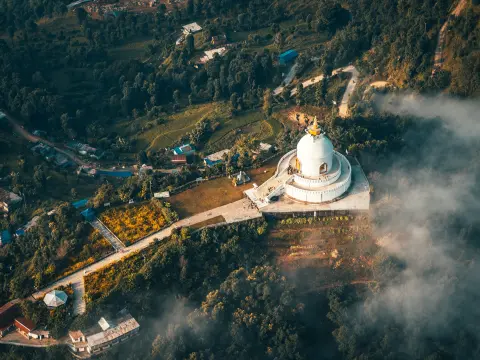
The Pokhara Cultural Tour offered by Nepal Holidays Planner is a carefully designed journey that blends natural beauty, spiritual heritage, and deep cultural exploration in Nepal’s most scenic lake city. Pokhara is not only a gateway to the Annapurna region but also a living cultural museum where diverse ethnic communities, ancient traditions, and modern lifestyles coexist harmoniously. Surrounded by the Annapurna and Machhapuchhre Himalayas, the city offers a peaceful atmosphere enriched with temples, monasteries, museums, and lakeside serenity.This tour allows travelers to experience Pokhara beyond its natural landscapes by engaging with its cultural heartbeat. You will explore sacred sites such as Bindhyabasini Temple, the World Peace Pagoda, and Tibetan refugee settlements that preserve centuries-old Buddhist traditions. The itinerary also includes visits to museums like the International Mountain Museum and local heritage villages where Gurung, Magar, and Newar communities showcase their traditional lifestyle, music, dance, and handicrafts.From boating on the calm waters of Phewa Lake to strolling through old bazaars filled with local art and cuisine, every moment reveals a different layer of Pokhara’s identity. This immersive cultural experience is ideal for travelers who seek meaning, connection, and authenticity in their journey.Blend of culture, nature, and spiritualityVisits to temples, monasteries & museumsInteraction with ethnic communitiesLakeside cultural lifestyle experienceHimalayan mountain backdropBest Season for Pokhara Cultural TourThe best time to enjoy the Pokhara Cultural Tour with Nepal Holidays Planner is during the spring (March to May) and autumn (September to November) seasons. These months offer the most pleasant weather, clear mountain views, and vibrant cultural activity, making sightseeing and outdoor exploration highly enjoyable.During spring, Pokhara comes alive with blooming rhododendrons, lush green hills, and comfortable temperatures. Cultural festivals and local celebrations often take place during this period, giving visitors an authentic glimpse into Nepali traditions. Autumn, on the other hand, is the most popular season due to crystal-clear skies, stable weather, and spectacular views of the Annapurna range reflected in Phewa Lake.Winter (December to February) is also suitable for travelers who prefer fewer crowds and a peaceful atmosphere, although mornings and evenings can be cold. Monsoon season (June to August) brings heavy rainfall, making travel slightly challenging, but it also transforms the landscape into a lush green paradise.Key Highlights:Best seasons: Spring & AutumnClear Himalayan mountain viewsIdeal weather for sightseeingFestivals and cultural eventsWinter for a peaceful travel experienceWhy Choose Pokhara Cultural Tour (Nepal Holidays Planner)Choosing the Pokhara Cultural Tour with Nepal Holidays Planner ensures a well-organized, immersive, and meaningful travel experience. This tour is not just about visiting places but about understanding the soul of Pokhara through its people, traditions, and heritage. Carefully curated itineraries ensure that travelers experience both iconic landmarks and hidden cultural gems.The tour is designed for culture lovers, photographers, researchers, and curious travelers who want to go beyond surface-level tourism. With expert local guides, you gain deeper insights into the history, symbolism, and lifestyle of each destination. The experience is enriched with storytelling, cultural interaction, and opportunities to participate in local traditions.Nepal Holidays Planner focuses on comfort, authenticity, and personalized service. From comfortable accommodations to smooth transportation and thoughtfully planned activities, every detail is managed professionally. The tour also supports local communities by promoting sustainable and responsible tourism practices.Key Highlights:Expert-guided cultural experiencesAuthentic interaction with local communitiesComfortable and well-managed travel servicesFocus on sustainable tourismDeep cultural and historical insights
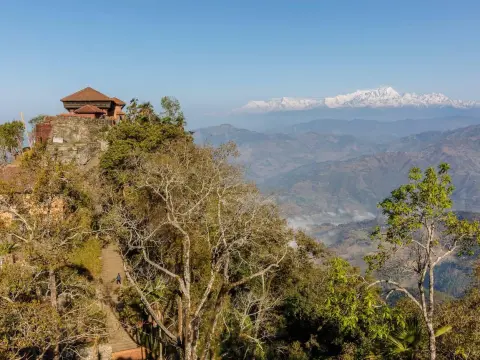
The Gorkha Cultural Tour is an enriching journey into the historical & spiritual heart of Nepal. Located midway between Kathmandu & Pokhara, Gorkha is a region of profound cultural significance, best known as the ancestral home of King Prithvi Narayan Shah, the unifier of modern Nepal. This tour offers travelers a unique opportunity to explore the roots of the country’s monarchy, discover ancient temples, and engage with the traditions of the legendary Gurkha warriors, who have earned global respect for their bravery & discipline. The tour begins with a visit to the historic Gorkha Durbar, an impressive palace–fortress perched atop a hill overlooking the surrounding valleys & Himalayan peaks. This architectural gem combines a palace, fort, and temple, attracting pilgrims from around the globe. Nearby, the Gorkha Museum provides deep insight into the military legacy of the Gurkhas, showcasing artifacts, uniforms, and personal accounts of soldiers who served in British & Indian armies.Beyond its royal and military heritage, Gorkha offers a rich cultural experience through its vibrant ethnic diversity, particularly the Gurung and Magar communities. Visitors can explore traditional villages, observe local farming practices, participate in cultural rituals, and enjoy folk music and dance that reflect the identity of the region. The scenic beauty of the mid-hill landscapes, terraced fields, and distant snow-capped peaks enhances the cultural experience, making the Gorkha cultural Tour both informative and visually captivating.Ideal for history enthusiasts, spiritual seekers, and culturally curious travelers, this tour opens a window into the foundations of Nepalese identity, combining heritage, nature, and local hospitality into a meaningful journey. Exploration of the Gorkha Durbar and ancient royal architectureVisit to historical museums and heritage sitesCultural interaction with the Gurung and Magar communitiesTraditional village lifestyle experience and local farming observationScenic views of Himalayan peaks and terraced landscapesAuthentic Nepali hospitality with local food and cultural performancesThis tour is ideal for travelers seeking meaning beyond sightseeing, offering a powerful connection to Nepal’s identity, traditions, and living history.Best Season for Gorkha Cultural TourThe best time to experience the Gorkha Cultural Tour with Nepal Holidays Planner is during Nepal’s most favorable weather seasons—spring (March to May) and autumn (September to November). These periods provide clear skies, comfortable temperatures, and the best visibility of the Himalayan ranges surrounding the Gorkha region. The cultural villages and historical sites are also more accessible during these months due to stable weather conditions.Spring brings blooming rhododendrons, green landscapes, and pleasant trekking-style weather in the mid-hills. It is an excellent time for village walks, outdoor exploration, and photography. Autumn, on the other hand, is the peak travel season in Nepal, offering crystal-clear mountain views, vibrant cultural festivals, and a festive atmosphere in local communities. These conditions enhance both the cultural and scenic experience of the tour.Although the tour is possible year-round, the monsoon season (June to August) brings heavy rainfall, which may affect road travel to Gorkha, while winter (December to February) can be cold in higher elevations but still suitable for cultural exploration with proper preparation.Best seasonal highlights:Spring (Mar–May): Flowers, greenery, mild weatherAutumn (Sep–Nov): Clear skies, festivals, best mountain viewsWinter (Dec–Feb): Quiet travel, crisp air, fewer crowdsMonsoon (Jun–Aug): Lush landscapes, but travel delays are possibleChoosing the right season ensures a more comfortable, visually rich, and culturally rewarding experience.Why Choose Gorkha Cultural Tour – Nepal Holidays PlannerChoosing the Gorkha Cultural Tour with Nepal Holidays Planner means selecting a journey that goes beyond standard sightseeing and dives deep into Nepal’s historical foundation and living traditions. Gorkha is not just a destination—it is the birthplace of national unity, warrior heritage, and cultural identity. This tour is carefully curated to offer an authentic, well-paced, and meaningful travel experience suitable for history lovers, cultural explorers, and spiritual seekers.One of the biggest advantages of this tour is its combination of history, culture, and community interaction in a single itinerary. Travelers do not only observe monuments but also engage with local lifestyles, participate in cultural activities, and understand the daily life of hill communities. Nepal Holidays Planner ensures professional guidance, comfortable transport, and carefully selected accommodations to enhance safety and comfort throughout the journey.Another key strength is the personalized experience. Unlike mass tourism routes, this tour offers intimate cultural encounters, flexible exploration time, and knowledgeable local guides who bring stories of Gorkha’s past to life. From royal heritage sites to village hospitality, every moment is designed to be meaningful and memorable.Why this tour stands out:Deep historical connection to Nepal’s unification storyAuthentic cultural immersion in Gurung and Magar communitiesProfessionally organized itinerary by Nepal Holidays PlannerBalanced mix of heritage, nature, and local experiencesComfortable travel with guided support throughout the journeyIdeal for educational, cultural, and leisure travelersThis tour is not just travel—it is a journey into the heart of Nepal’s identity.
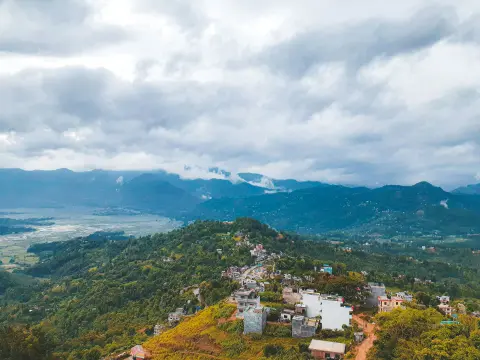
The Palpa Cultural Tour offers a captivating journey into the heart of Nepal’s rich history, architecture, and ethnic heritage. Centered on the charming hill town of Tansen, in the Palpa district, this tour showcases a blend of Newari, Magar, and Nepali cultures set against the backdrop of the scenic mid-hills of western Nepal. Visitors can explore the ancient palaces, temples, and narrow cobbled streets of Tansen bazaar, once a vital trade hub between India and Tibet. Highlights include the historic Rani Mahal (often called the “Taj Mahal of Nepal”), the traditional houses with intricate woodwork, and panoramic viewpoints like Srinagar Hill, which offers stunning views of the Himalayas and surrounding valleys. The tour also provides opportunities to interact with local artists , witness traditional weaving & metalwork, and experience authentic Palpali hospitality. Ideal for culture lovers and off-the-beaten-path lovers, the Palpa Cultural Tour is a perfect blend of history, art, nature, and local life.The Palpa Cultural Tour offered by Nepal Holidays Planner is a thoughtfully designed journey that introduces travelers to the cultural richness and historical depth of western Nepal. Beginning in Kathmandu, the tour gradually takes you into the peaceful hill town of Tansen, where time seems to move at a slower, more traditional pace. Tansen is known for its beautifully preserved architecture, vibrant bazaars, and a harmonious blend of cultures, including Newar and Magar influences. Walking through its narrow alleys, visitors can observe traditional houses, temples, and local life that has remained largely unchanged for generations.A major highlight of the tour is the visit to the iconic Rani Mahal, often referred to as the “Taj Mahal of Nepal.” Situated along the Kali Gandaki River, this palace tells a romantic yet tragic story and offers a unique architectural experience. Along with cultural exploration, the itinerary includes scenic viewpoints, local interactions, and authentic culinary experiences. The tour perfectly balances heritage, nature, and community engagement, making it ideal for those seeking something beyond mainstream destinations.Scenic drive from Kathmandu to TansenExploration of Tansen Bazaar and local marketsExcursion to Rani MahalCultural immersion with local communitiesTraditional Nepali meals and hospitalityBest Season for Palpa Cultural TourThe Palpa Cultural Tour can be enjoyed throughout the year, but certain seasons provide a more rewarding experience. The best time to visit is during spring (March to May) and autumn (September to November). During these months, the weather is generally clear and pleasant, offering stunning views of the surrounding hills and distant Himalayan ranges. The skies remain bright, making sightseeing and photography particularly enjoyable. Spring also brings blooming flowers and lush greenery, enhancing the natural beauty of the region.Autumn, on the other hand, is known for its festive atmosphere in Nepal. Travelers may have the chance to witness major cultural celebrations such as Dashain and Tihar, adding a deeper cultural dimension to the journey. Winter (December to February) is also suitable for travel, especially for those who prefer quieter environments, though mornings can be chilly. The monsoon season (June to August) brings heavy rainfall, which can affect road conditions, but it also transforms the landscape into a vibrant green paradise for those who don’t mind occasional showers.Seasonal Tips:Spring: Best for nature and mild weatherAutumn: Ideal for festivals and clear viewsWinter: quiet environment and fewer touristsMonsoon: Lush scenery but possible travel delaysWhy Choose Palpa Cultural TourChoosing the Palpa Cultural Tour with Nepal Holidays Planner means opting for an authentic and less-commercialized travel experience. Unlike crowded trekking routes or popular tourist hubs, Palpa offers a peaceful and immersive environment where visitors can genuinely connect with local culture and traditions. The tour is carefully curated to include not only sightseeing but also meaningful interactions with the local community, allowing travelers to gain insight into everyday life, craftsmanship, and heritage preservation.Another key advantage is the balance between comfort and exploration. The itinerary includes comfortable accommodations, guided tours, and well-organized transportation, ensuring a smooth and enjoyable journey. At the same time, it encourages exploration of hidden gems, traditional practices, and unique landscapes. Whether it’s strolling through Tansen’s historic streets, enjoying panoramic hilltop views, or learning about local handicrafts, every moment is designed to be enriching and memorable.Reasons to Choose This Tour:Off-the-beaten-path cultural destinationExpert planning by Nepal Holidays PlannerRich blend of history, architecture, and natureOpportunities for authentic local interactionRelaxed pace suitable for all types of travelersThis tour stands out as a meaningful way to experience Nepal beyond the usual мsаршруte, offering depth, beauty, and cultural authenticity in every step.
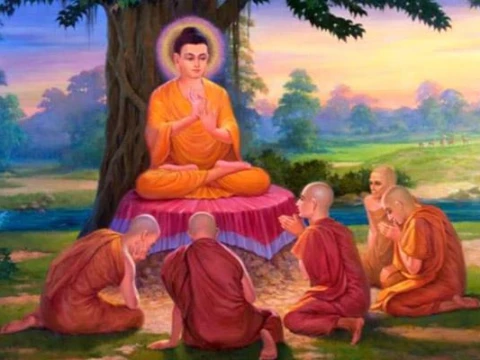
About Buddhist Circuit.The Buddhist circuit is a pilgrimage route in Nepal and India that traces key sites in the life of Lord Buddha, primarily focusing on Lumbini (birthplace), Bodh Gaya (enlightenment), Sarnath (first sermon), and Kushinagar (Mahaparinirvana). The circuit often includes Rajgir, Vaishali, Shravasti, and Sankisa in India, Nawabuddha, Bauddha Natha, and Syambhunatha in Nepal, with guided tours.About Lord Buddha:The word “BUDDHA” means “awakened” in Pali (ENLIGHTENED PERSON). The person who was awakened or achieved the KRISHNA CHAITANYA is the BUDDHA. As per Buddhist philosophy, there were 1000/1000 Buddhas in BIUHA and BHADRA KALPA, and classified in 28 groups. Out of all, Seven, as per Theravada, and Five main enlightened Buddhas' incarnations are there. So, Aarya Putra Shakya Muni is the seventh and last incarnation according to Theravada, but Mahayana claims that Gautama is the fourth incarnation, and that the fifth super-conscious Buddha, called Maitreya, has to come to earth.Shakyamuni Buddha:Lord Buddha, born Siddhartha Gautama around the 6th–5th century BCE in Lumbini, Nepal, was from the SURYA BANSHI Clan of RAMA, a dynasty called Ikshwaku. An ancient warrior of Saketa came to KapilVastu and settled their federal statehood with the other five Pali-speaking state governors, but the ancestors of the Buddha spoke Magadhi, and Lord Buddha’s Mother spoke Pali as her mother tongue.The warriors of Saket, located near Ayodhya, used to be called SAKIYA (Later spelled Shakya), and IKWAKSHU was the scaped warrior from Saket, and the king Suddodhana (The father of Siddartha Gautama) was from the same family. The mother of Lord Buddha was Maya Devi from the Palpali clan in Devdaha, who gave birth to Siddhartha Gautama (Little Buddha), holding a branch of the Ashok tree, while she was going to Devadaha. That place is called Lumbini and it’s now in Nepal. Though MATA MAYADEVI has given the Birth to Little Buddha around 567 BCE and his step mother GAUTAMI has taken care of entire his childhood in Palace of Kapilvastu.Lord Buddha, earlier name Siddartha Gautam borne as a prince who renounced his luxurious life to seek the end of human suffering. After achieving enlightenment (Nirvana) at the age of 35, he spent 45 years teaching the Four Noble Truths and the Eightfold Path, establishing Buddhism.Early Life and Royal Background· Birth: Born to King Suddhodana and Queen Maya of the Shakya clan in Lumbini, which is now in Nepal.· Childhood: The childhood and early years were spent in the palace of Kapilvastu, on caring and guidance of his stepmother, Gautami.· Prophecy: At his birth, a sage, who writes the CHINA (An astrological life predictions noted as per birth time zone.) predicted he would become either a great emperor or a renowned holy man.· Sheltered Life: To keep him away from becoming a holy man, his father kept him inside the palace, shielding him from sickness, old age, death, and the outer world filled with sorrows.· Family: He married Yashodhara and had a son named Rahul. Once he visited his family after being enlightened, Yasodhara didn’t ask him to be with his family. The Four Sights and RenunciationDespite his luxurious life, Siddhartha was curious about the outside world. On visits outside the palace, he saw "four sights" that changed his life:1. An old man: Revealing the reality of aging.2. A sick man: Revealing the reality of sickness.3. A funeral procession: Revealing the reality of death.4. A wandering monk/ascetic: Showing the path to seeking peace.· The Renunciation: At age 29, troubled by the suffering he witnessed, he left his palace, wife, and child to become a wandering ascetic in search of the truth.· Enlightenment and Buddhahood· Searching: He studied under various teachers and practiced extreme asceticism for six years, nearly starving to death.· The Middle Way: Realizing that extreme austerity was not the answer, he embraced the "Middle Way"—a path of moderation between indulgence and deprivation.· Enlightenment: He sat under a Bodhi tree in Bodh Gaya, Bihar, India, and vowed not to rise until he found the truth. At age 35, he achieved enlightenment and became the Buddha, or "The Awakened One". Teachings and Final Days· First Sermon: The Buddha delivered his first sermon in Sarnath, setting in motion the "Dhamma" (wheel of life teaching).· Core Teachings: He taught the four noble truths and the Eight Paths, focusing on overcoming desire to end suffering.· Legacy: He traveled throughout India teaching for 49 years.· Parinirvana: The Buddha passed away at the age of 80 in Kushinagar, India, leaving behind a community of followers known as the Sangha.Siddhartha Gautama, most commonly referred to as the Buddha ('the awakened one'), was a wandering ascetic and religious teacher. Buddhism is more than a religion, it’s ‘Dhamma’, an acceding Path, or a moral educational philosophy for daily human life, as I understand. The most important Places in the Buddhist circuit.Lumbini:Lumbini, the Buddha's birthplace, located in the Rupandehi District of Nepal and near the southern border, is one of the world's most important spiritual sites and attractions for Buddhist pilgrims from around the world. Lumbini, today one can visit over twenty-five Buddhist monasteries built by different nations, such as Nepal, Myanmar, Thailand, Shrilanka, China, Japan, Vietnam, and more. The Buddhist study centers, meditation centers, and the birthplace are also within the sacred Mayadevi Gardens.Mayadevi Temple is the most sacred site in the Lumbini Garden, where archaeologists have identified the exact spot where Lord Buddha was born. The inscriptions on the Ashoka Pillar nearby also refer to the spot as his birthplace. It is said that the newborn Prince Siddhartha (who later became the Buddha) took his first seven steps and delivered his message of peace to humanity here. The birth took place in the beautiful Ashok grove, which is now the focal point of the Lumbini Garden. Mayadevi, the Queen of Shakya King Suddhodhana of Kapilvastu, while passing through the Lumbini Garden, on the day of Baishakha Purnima (full moon day of May in 623 BC) to her parents' place Devagram. On the way, she took a bath in the Sacred Pond called Pushkarini. Soon after she finished her ritual bath in the pond, she gave birth to Prince Siddhartha Gautama, the little Buddha. For the higher studies of Buddhist philosophy, “Lumbini Buddhist University” is literally an educational institution at the birthplace of Lord Buddha. The 1998 Buddhist summit held in Lumbini unanimously passed a resolution to open an University for Higher Studies of Buddhism, which was implemented in 2004. That university was opened on June 17th in this year. Bodha Gaya:Bodh Gaya is a village in the northeast Indian state of Bihar, is one of the most important Buddhist pilgrimage sites, where Lord Buddha was enlightened beneath a sacred Bodhi Tree. The places to visit out there are MAHABODHI TEMPLE, where the temple premises have built a spout to mark the site where Lord Buddha was enlightened. On a direct descendant of the holy tree sites, within the premises nowadays, there are the Great Buddha Statue, the Thai Temple, the Japanese Temple, and various monasteries and sacred sites, including a lotus pond in Bodha Gaya. Sarnath:Sarnath, about 8 miles northeast of Varanasi, now in Uttar Pradesh, India near the confluence of the Ganges and the Varuna rivers. As the LALITA VISTARA SUTRA states, Lord Buddha chose a "Deer Park by the Hill of the Fallen Sages, outside of Varanasi" for his first teaching after his attained enlightenment in Bodh Gaya. The first chosen ascetics (students) - (Pancavaggiya) for his first sermon entitled Dhammacakkappavattana Sutta, by Lord Buddha were KADINYA, ASSAJI, BHAIDDYA, VAPPA and MAHANAMA in Sarnath. Later, Kaudinya became the first comprehend the teaching and attain enlightenment making him the very first disciple. Dhamekh Stupa, Wat Thai Temple, Peace Buddhist Temple, Deer park and Museum are the main attractions out Kushinagar:Kushinagar is a town, located approximately 250 Kms east of Vanarashi and approximately 197 kms. South east of Lumbini in the Kushinagar district of Uttar Pradesh, India.Kushinagar, where Lord Buddha went for Mahaparinirvana after the 81st year of his birth on the same date that is Baisakha Purnima. So Kushinagar is one of the main Buddhist pilgrimage site. Parinirvana Stupa, Kushinagar Temple, Golden Temple, Matha Kuar Shrine, Nauka Vihar, Myanmar Stupa & Temple (Burma Temple), Buddha Temple, and Buddhist Museum are the main attractions of Kushinagar.The things to know.· Best Time to Visit: October to March (cooler weather).· Tour packages cover all above mentions with accommodations, along with surface transfers and a guide.· Border Crossing: When crossing from Nepal (Sunauli) to India and vice versa, ensure you have your passport and necessary visa.· Dress Code: Modest clothing is required, particularly in temples. Rest as per your comfortable. But one must remove the shoes and sandals before entering sacred sites and monuments. Outer cases in the premises are allowed the cotton or non-leather footwear. Better to know, In the male form: Lokeshwara Avatilokeshwara PadmapaniThe group heads of Buddhism in the form of gods: DIPANKARA BUDDHA.Female form: Tara Harit Tara Neer Tara Ugra Tara The main Buddhist pilgrimage sites.· Swayambhunath, including bodhisattva Maha Manjushree temple.· Charumati Vihar· Bauddhanath· Nawa Buddha, Kavre· Avaetilokeshwar (Mokshanatha)· Pharping Monastery, Kathmandu· Golden Temple, Lalitpur· Mahabauddha Temple, Lalitpur· Halesi Mahadev, Khotang· Tyangboche monastery, Solukhumbu· Buddhist circuit. Lumbini, Nepal Bodhagaya, India Sarnath, India Kushinagar, India.Holy Mount Kailash Parikrama (Kora), Tibet,There are several other Buddhist pilgrimage sites in Nepal and its surrounding neighboring nations. The Buddhist fairs and festivals in Nepal. · Baishak Purnima is celebrated all over the Nation. Marking the birthday of lord buddha, the Enlightened Day, as well as the Mahaparinirvan day of lord Buddha.· Mahadan, offering the things to Dipankara Buddha.· Lhosar day. To mark the New Year.· Mani Rimdu, A colourful Sherpa festival, Beautiful masked (featuring mask) dance.
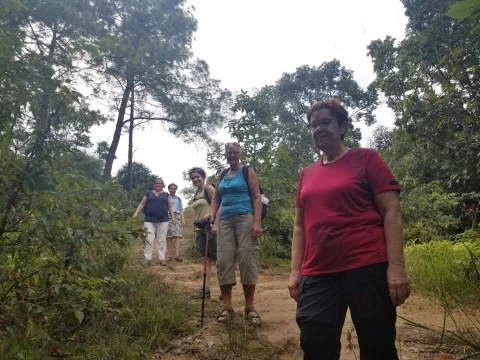
Kathmandu Valley, nestled among verdant hills and dotted with ancient temples, offers some of the most rewarding short hiking experiences in Nepal. These hikes are perfect for travelers seeking a taste of nature, culture, and the Himalayan scenery without the demands of a long trek. With routes ranging from half-day forest walks to full-day ridge hikes, Kathmandu’s surroundings provide a perfect blend of rural charm, sacred heritage sites, and panoramic mountain views. The short hikes around the valley lead you through peaceful trails passing terraced farmlands, pine forests, and traditional Newari villages. You can explore UNESCO World Heritage Sites like Changu Narayan, discover Buddhist monasteries such as Namo Buddha, or ascend to viewpoints like Nagarkot, Shivapuri, and Champadevi to glimpse the distant snow-capped peaks of the Langtang, Ganesh Himal, and even Everest on a clear day. Whether you are a casual walker, a spiritual seeker, or a nature enthusiast, these accessible trails offer a rejuvenating escape from the bustling city. Ideal for day trips or weekend getaways, short hikes around Kathmandu Valley are a must for anyone wanting to experience Nepal’s natural beauty and cultural richness in a compact yet memorable journey.
Feel free to inquire, and together, we'll design the perfect journey to suit your preferences and desires.


 (38)
(38)  100% recommend (56)
 (34)
(34)