Nepal is a small, landlocked country located in South Asia, nestled between China to the north and India to the south, east, and west. Despite its modest size, Nepal is incredibly diverse in its geography, culture, and heritage. It is most famous for being home to the majestic Himalayas, including Mount Everest, the highest point on Earth.
The country stretches from the snow-covered peaks of the north to the lush subtropical plains of the south, offering a unique blend of natural beauty and ecological diversity. From high-altitude trekking routes and glacier-fed rivers to dense forests and fertile farmlands, Nepal’s landscape is a paradise for nature lovers and adventure seekers.
Culturally, Nepal is equally rich. It is a melting pot of more than 120 ethnic groups and over 100 languages, with deep-rooted traditions in Hinduism and Buddhism. The capital city, Kathmandu, is a living museum of ancient temples, royal palaces, and sacred monuments.
Nepal is also the birthplace of Lord Buddha, making it an important spiritual destination for millions of Buddhists around the world. Festivals are celebrated throughout the year, reflecting the country’s vibrant traditions and religious harmony.
Whether you're drawn by the towering peaks, sacred sites, vibrant festivals, or the warmth of the people, Nepal offers a journey that is both deeply enriching and unforgettable.
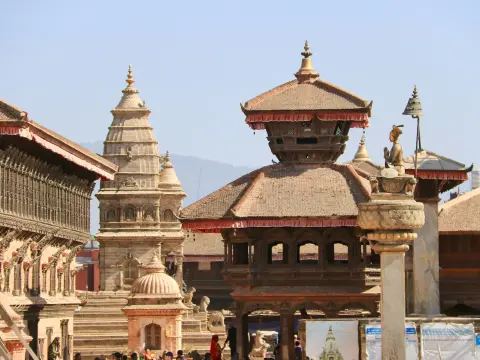
Nepal Mandala, the word comes from MANDAPA or MANDALA . The word represent the geometrical shapes of Universe which similar like the shape of Kathmandu. Therefore the trip name became Nepal Mandala. An easy trip. No age bar any aged people can make trip. of course child below 12 to be accompanied by parents or recognized guardians.No need special attires apart from usual seasonal wears..
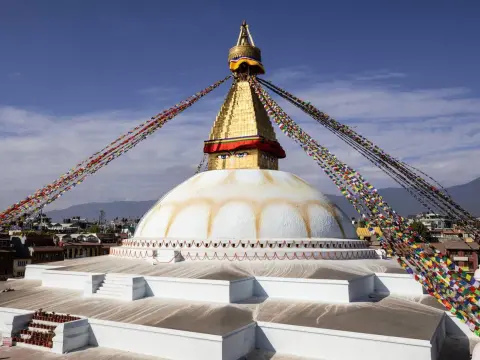
Kathmandu Valley, earlier named Nepal Mandala, was once a great lake named Kali Daha. Bodhisattva Mahamanjushree stepped into the surrounding hills of the valley. From the northern side. Meanwhile, he had seen a light sparkling out from the lotus flower over the central lake.While he saw the brightness of light, he decided to cut the hill and drain out the water from the lake. Then he cut with his sword and drained the water out. Also believed, he brought several workers (those who work JYA YA U PI or JYA YAU FUN, later pronounced JYA YAPU) with him to cut the hill, and they were settled in the valley while it became suitable to habitat, then slowly people started to migrate from different sides and settled in the valley. Bodhisatwa went and stayed on top of NAGARJUNA, called Jamacho, and later he came and stayed in the western slope ridge of Swayambhu hill, from where the lotus light was coming out.Mata Tirtha was the administrative (A kind of traditional mastery system) centre of those days. The Naga clans were replaced by the Gopal dynasty (Also called Dwarakayan), then by the Mahispala (Also called Mathurayan ), then by the Kirat dynasty. The Yalambera was the first king of the Kirati dynasty, who gained victory over the Mahispala and established his own kingdom. After a few years, he shifted his administrative center to Gokarna, praying and worshipping the gods and goddesses, and giving the lamp (Batti) from the Place where the Bauddhanath stupa is located nowadays. Later, King Yalamber shifted to YALA (Patan or Lalitpur), and he began to rule from there. Also said that Yalambara was the first king who began to rule through MURDUN, A law that has been guided in the name of god and Goddess, and also he tied his kingdom by tantrism to avoid the evils in the kingdom, and ruled peacefully. Then replaced by latecomers, what Lichhawi means, the ruling period of lichhawi dynesty was remain the golden age of Nepal. Since then, Nepal has begun to develop in the ruling system, art and artifacts, development of cities, structural management, etc., as was essential then. Mana Deva became the first officially recognized king to rule the valley. The developments of art and architecture continued till the 18th century in the Malla dynasty too. The surrounding mountains, which offer panoramic views of snowcapped mountains and the spectacular aerial views of the valley.After the historical unification by Prithivi Narayan Shah, modern Nepal began to take shape. It was continuously stretched at the time of King Ranabahadur Shah. Nepal became greater from the Tista, in the east, to the Kagada in the west. The Treaty of 1816 between Nepal and the East India Company shrank Nepal smaller, and Prime Minister Janga Bahadur Rana became possibe get return certain areas. Since then, Nepal has taken this shape and size.An open museum makes you comfortable watching the evidence and knowing the historical truths, through our guide, like a storyteller.Best season for an open museum.The Kathmandu Valley Tour can be enjoyed year-round, but certain seasons offer a more comfortable and visually rewarding experience. According to Nepal Holidays Planner, the best times to explore the valley are autumn (September to November) and spring (March to May and Late September to Early December ). These seasons provide clear skies, pleasant temperatures, and vibrant cultural surroundings, making sightseeing more enjoyable and photogenic.
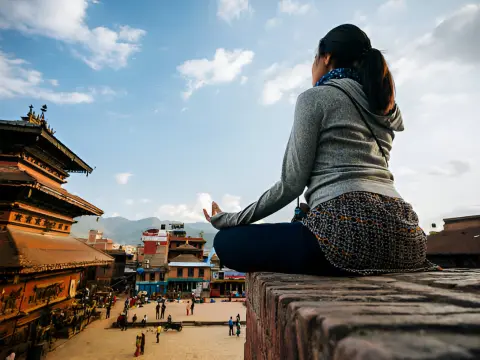
The yoga and meditation classes with NHP team a complete mindful game self healing process. We also adopt body detoxicating process using yoga and naturopathy treatment practices in clouding different methods of therapies. then continue practices of yoga and meditations and follows by natural treatments under the guidance of professional naturopathies or aayurvedic consultants. We haven chosen few of tranquil and idol places close to the nature which suits to courses. Here, in this package, we have chosen Pokhara, a touristic city and major trek transit to Annapurna region. where the flavor of immersive nature and cultures are plenty. Your drive or flight move from Kathmandu with scenic views of different landscapes, panoramic vies of snowcapped mountains. Soon after you arrive to Pokhara, you will be transferred to a boutique hotel or century resorts, the yoga meditation practicing and retreat centers. Accommodations will be at it's tranquility where nutritious vegetarian meals included to support your wellness journey.
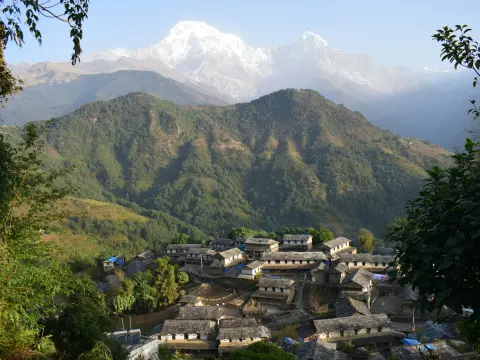
Wakeup with the first singing of the birds and over look around, the freshness of the mountains with the pure breathing airs awaits you offers the stunning views of sprayed sun rays over the snowcapped. simultaneously, the terraced faddy fields with lush greeneries around makes you feel the inner being rhythm is in harmony with nature’s flow. On top a simple living technique, with domestically prepared organic food dietaries and the moments being away from the life driven by technology and urban routines gives you fully energizes and refreshed in order to resume the pause time. HNP expertise in managing entirely.Stay will be in the village or country side.It's a practice in living, mindfully involving in the nature-based activities.Engage by observing or involving in organic farming, traditionally methods of therapies and naturopathy. Trekking and Hiking in pristine natures and beautiful landscapes. Why choose this Retreat ?Himalayan tranquility – Pure air, majestic mountains & lush green valleys.Authentic village experience – Live in remote villages & experience Nepal’s simple yet fulfilling lifestyle.Organic farm to table living – Learn about traditional farming, cook with fresh produce, and enjoy mindful eating.Forest & river therapy – Heal through nature walks, waterfalls & meditation in sacred sites.Eco-conscious travel – Support local communities & engage in sustainable tourism.Retreat Duration (7-14 days)Customized packages are available upon request.
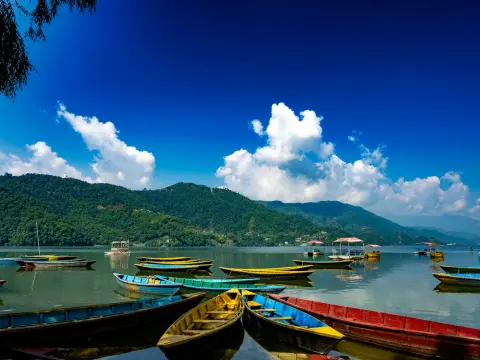
The ancestor's health caring techniqueThe world today faster growing in communications, information sharing, inventions news in technologies like day to day advancing AI, In this context, the life in urban becoming ore compotator day by day on top of machine like lifestyle. Even people are far away of thinking owns elf to live happy life. which ultimately becomes the major causes of over stressed, anxiety, burning out, hypertensions, which makes gradual loosing of the level of critical thinking and overall growth either mentally or physically even materially which, ultimately affects general productivities and dragging towards spoiling situations. Which i feel the greatest challenges to every urbans globes. In this context we have found the best options, which our ancestors used to apply and introduced on the name of "Ancestors health caring technique" which disconnects from all these burdens and rejuvenate physically and mentally managing scared souls and over crowed minds and restores the inner balances again. The program blends mindfulness, adventurous, wellness practices, set close to the serene nature on the lap of Himalayas certainly brings changes in participants. That we believe the package may becomes an ideal programs for office executives, professionals & wellness seekers and eagers for a transformative escape. Why not try once.Why Nepal ?Reconnect with nature – Experience the healing power of Nepal’s pristine mountains, forests, rivers, lakes, waterfalls, etc.Mindfulness & meditation retreats – Practice guided meditation and breathing exercises to calm the mind.Yoga, meditations and natural healing process – Daily yoga sessions to enhance flexibility, reduce stress, and improve mental clarity.Gentle adventure & digital detox – Hiking, forest walk, and nature immersion for physical, mental detoxicating and cleansingWellness therapies & Naturopathy and Ayurvedic Treatments – Traditional healing therapies to rejuvenate the body and mind.Sustainable & cultural experience – Engage with local communities & experience Nepalese wellness traditions.The NHPIt's managed by well studied and decades long experienced by practices Customized stress relief programs – tailored as per individual & corporate requirements..prioritized safety and best comforts of participants – certified guides, wellness experts, and 24/7 support.Sustainable & ethical tourism practices – supporting local communities & eco-conscious travel.The facilities Package duration Beginners: 5-7 DaysIntermediate courses: 21-30 daysAdvanced: 45 - 60 or more days.Accommodation type: Full board accommodations with vegetarian dietaries in Boutique Hotels, Country resorts, Farm houses and Eco retreat centers. Group size: (solo, couples, small groups, or corporate teams).Personalized packages are available upon request.
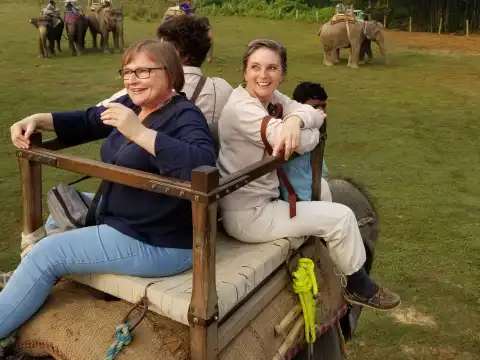
A Wildlife Safari Tour in Chitwan offers an unforgettable journey to the heart of Nepal’s first and most famous National Park, Chitwan National Park listed in UNESCO World Heritage Site known for its remarkable biodiversity and lush tropical landscapes. Located in the lowland Terai region, this tour immerses visitors in the dense jungles and open grasslands where iconic wildlife roams freely. Travelers can embark on thrilling jeep safaris or peaceful canoe rides along the Rapti River, with chances to spot the rare one-horned rhinoceros, royal Bengal tiger, wild elephants, sloth bears, gharials, and an incredible variety of bird species and insects including the rear species of butterflies. Jungle walks and visits to the elephant breeding center offer deeper insight into local conservation efforts. The experience is enriched by cultural interactions with the indigenous Tharu community, and their traditional dances, culinary food and daily lifestyles provide a vibrant glimpse into local heritage. This tour is perfect for nature lovers seeking both adventure and relaxation and admit one of Asia’s most celebrated wildlife sanctuaries.UNESCO World Heritage Site explorationJeep safari and canoe ride experiencesWildlife spotting: rhino, tiger, elephantsTharu cultural program and village visitBirdwatching and jungle explorationProffered season to visit:The best time to visit Chitwan National Park is during the autumn (October to December) and spring (February to April) seasons. These months offer pleasant temperatures, clear skies, and excellent visibility for wildlife viewing. Animals are more active, and the dry forest conditions make it easier to spot rare species during safari activities arranged by Nepal Holidays Planner.The winter months also provide comfortable jungle exploration conditions, while the monsoon season (June to September) brings heavy rainfall, dense vegetation, and limited safari access. However, bird watchers may still enjoy migratory species during certain periods. Choosing the right season ensures a more rewarding and comfortable safari experience.The seasonal highlights:October–December: peak wildlife visibilityFebruary–April: ideal jungle conditionsClear skies for photographyComfortable safari temperaturesHigh chance of tiger and rhino sightingsWhy Choose Wildlife Safari Tour in Chitwan National ParkChoosing a Wildlife Safari Tour in Chitwan with Nepal Holidays Planner ensures a well-organized, safe, and enriching jungle experience. The tour is designed for nature lovers, photographers, families, and adventure seekers who want to explore Nepal beyond the Himalayas. It combines wildlife exploration with cultural immersion and comfortable accommodation. The nearer and easy accessible destinations.This safari experience is unique because it offers close encounters with endangered wildlife while supporting conservation efforts and local communities. Professional guides, well-planned itineraries, and diverse activities make the journey both educational and exciting. It is one of the best ways to experience Nepal’s natural heritage in a short and memorable trip.Tour tips:Expert-guided safari experiencesSafe and comfortable travel arrangementsRich wildlife and bird diversityCultural interaction with the Tharu communityAll-inclusive itinerary by Nepal Holidays Planner
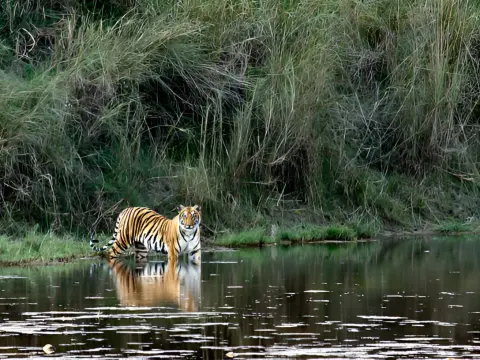
A Wildlife Safari Tour in Bardiya National Park offers an immersive experience into one of Nepal’s most pristine and less-traveled wilderness areas. Located in the far-western region of the country, Bardiya is home to a wide variety of flora and fauna, including the endangered Royal Bengal Tiger, one-horned rhinoceros, wild elephants, leopards, and over 400 species of birds. This tour typically includes guided jeep safaris, nature walks, bird watching, and canoe rides along the Karnali River, providing ample opportunities to observe wildlife in their natural habitat. Visitors also get the chance to explore the Tharu culture through village tours and traditional performances. With its serene landscapes, dense sal forests, and abundant wildlife, Bardiya National Park is a perfect destination for nature lovers and adventure seekers looking to experience the wild beauty of Nepal beyond the Himalayas.A Wildlife Safari Tour in Bardiya National Park with Nepal Holidays Planner is a carefully designed journey into one of Nepal’s most untouched and biodiverse protected areas. Located in the western Terai region, Bardiya National Park is the largest national park in the lowlands of Nepal and is known for its peaceful environment, dense sal forests, grasslands, and riverine ecosystems. Unlike more crowded parks, Bardiya offers a raw and authentic jungle experience where visitors can truly feel connected with nature.This 6-day safari package typically begins in Kathmandu and continues through Nepalgunj before reaching Bardiya, combining scenic travel with immersive wildlife exploration. The park is home to rare and endangered species such as the Royal Bengal Tiger, one-horned rhinoceros, wild elephants, gharial crocodiles, swamp deer, and over 400 species of birds. Activities include jeep safaris, jungle walks, river safaris on the Karnali River, and birdwatching tours guided by experienced naturalists.Visitors also gain cultural insight through visits to Tharu villages, where traditional dance, food, and lifestyle reflect the deep connection between people and the forest. Nepal Holidays Planner ensures safe transport, professional guides, and comfortable accommodation throughout the trip.Explore Nepal’s largest lowland national park.Chance to spot the Royal Bengal Tiger and elephantsJeep safari, jungle walk, and river safari experienceRich birdlife with 400+ speciesCultural visit to Tharu communitiesFully guided tour by Nepal Holidays PlannerBest Season for Wildlife Safari Tour in Bardiya National ParkThe best time to join a Wildlife Safari Tour in Bardiya National Park with Nepal Holidays Planner is during the autumn (September to November) and spring (March to May) seasons. These periods offer the most favorable weather conditions for jungle exploration and wildlife sightings. The skies remain mostly clear, temperatures are moderate, and visibility inside the forest is significantly better, making it easier to spot animals in their natural habitat.During autumn, the park is lush after the monsoon, and animals are highly active. Similarly, spring brings warm weather and blooming vegetation, attracting many bird species and herbivores to open grasslands. These conditions also increase the chances of spotting elusive predators like the Bengal tiger and leopard. Winter (December to February) is also good for safari, especially for birdwatching, though mornings can be cold. The monsoon season (June to August) is generally less recommended due to heavy rainfall and slippery trails.Nepal Holidays Planner carefully schedules safari activities based on seasonal wildlife behavior to maximize your experience. Expert guides adjust safari routes, timing, and activities to ensure guests enjoy safe and rewarding encounters with nature.Key Seasonal Insights:Best seasons: Autumn (Sep–Nov) and Spring (Mar–May)Clear visibility for wildlife spottingHigh chances of tiger and elephant sightingsWinter is ideal for birdwatchingMonsoon less suitable due to heavy rainProfessionally guided seasonal planning by Nepal Holidays PlannerWhy Choose Wildlife Safari Tour in Bardiya National ParkChoosing a Wildlife Safari Tour in Bardiya National Park with Nepal Holidays Planner offers a unique blend of adventure, conservation experience, and cultural immersion. Unlike more commercial safari destinations, Bardiya provides a peaceful and less crowded environment where visitors can enjoy nature in its purest form. This makes it an ideal destination for travelers seeking authentic wildlife encounters in Nepal.The park’s rich biodiversity, including endangered species like the Royal Bengal Tiger and one-horned rhinoceros, makes every safari unpredictable and exciting. With multiple safari options such as jeep drives, jungle walks, and river excursions, visitors can experience wildlife from different perspectives. Additionally, the presence of experienced naturalists enhances the chances of spotting rare animals while ensuring safety and education throughout the journey.Another strong reason to choose this tour is the cultural dimension. The Tharu communities living around Bardiya offer warm hospitality and a deep-rooted connection to the forest ecosystem. Their traditions, food, and performances add meaningful cultural value to the safari experience.Nepal Holidays Planner ensures a well-organized itinerary, comfortable accommodation, and expert guidance, making the journey smooth and memorable from start to finish.Key Reasons to Choose This Tour:Less crowded and highly natural wildlife experienceHigh probability of seeing rare animals like tigersMultiple safari activities (jeep, walk, river)Rich cultural experience with the Tharu communitiesExpert naturalist guides and safe arrangementsOrganized, comfortable tour by Nepal Holidays Planner
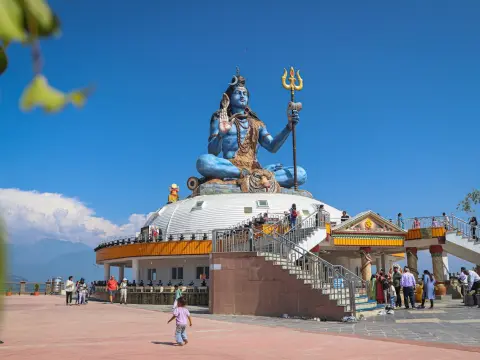
Shiva temples visit and seeking mountain blessings is a spiritually enriching nearly a week long journey through Nepal that blends devotion, culture, and the serene presence of the Himalayas. The trip begins in Kathmandu with a powerful visit to the sacred Pashupatinath Temple, one of the holiest shrines dedicated to Lord Shiva. Pilgrims explore other revered sites such as Guheswari Temple and Doleswar Mahadev, steeped in mythological significance. When pilgrims travel to Pokhara, they are greeted by breathtaking mountain landscapes and tranquil lakes, where they continue their spiritual exploration at Bindabashini temple, mystical Gupteshwor Mahadev Cave, and Pumdikot Shiva statue. Alongside temple visits, the journey offers moments of reflection, scenic beauty, and cultural immersion, culminating in a peaceful farewell with blessings from the mountains & the divine presence of Lord Shiva. This trip is perfect for those seeking a soulful connection with nature, spirituality, and Himalayan serenity.Tour tips:Sacred Shiva shakti circuit in Kathmandu and PokharaAarati and special pooja oppertunity.An exploration of Doleshwor MahadevCultural immersion with a peaceful travel paceThis journey ultimately offers more than travel—it provides a pathway toward stillness, devotion, and a deeper connection with the timeless energy of Shiva shakta
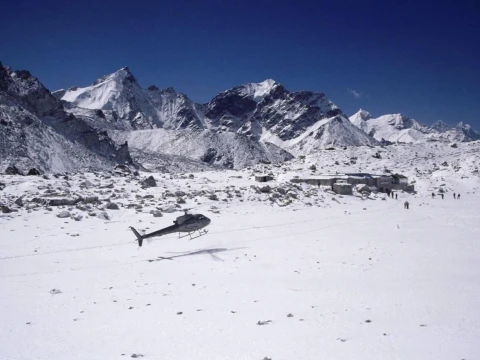
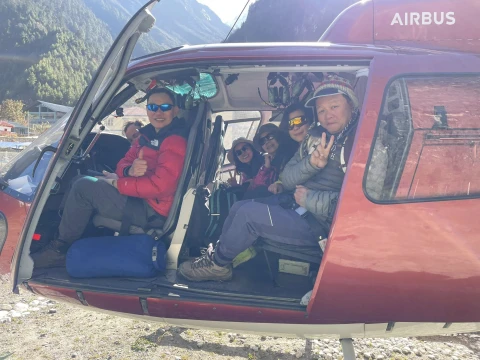
The Everest Helicopter Tour from Kathmandu, offered by Nepal Holidays Planne,r is one of the fastest and most luxurious ways to experience the world’s highest peak, Mount Everest (8,848.86 m), along with the breathtaking Himalayan range. This tour is designed for travellers who want to witness Everest, glaciers, and high-altitude landscapes in a single morning without requiring days of trekking. The journey begins early from Kathmandu and takes you through iconic locations such as Lukla, Pheriche, Kalapatthar, and the Everest View Hotel, combining adventure, comfort, and panoramic beauty in just a few hours.The experience is carefully planned with altitude safety and weather conditions in mind. After a scenic flight from Kathmandu to Lukla, the helicopter continues toward higher Himalayan zones where passengers witness dramatic views of snow-covered peaks, deep valleys, and the legendary Khumbu Glacier. A highlight of the tour is the landing at Kalapatthar (weather permitting), one of the closest viewpoints of Mount Everest. Another unforgettable stop is breakfast at Hotel Everest View, the world’s highest luxury hotel. The return journey completes a full aerial exploration of the Everest region.Early morning departure from Kathmandu (5:30 AM)Scenic flight over Lukla, Pheriche, and the Khumbu regionLanding at Kalapatthar for Everest close-up viewsBreakfast at Hotel Everest ViewReturn to Kathmandu by late morningBest Season for Everest Helicopter Tour from KathmanduThe best season for the Everest Helicopter Tour from Kathmandu is during the clear-weather months when Himalayan visibility is at its peak. Nepal Holidays Planner recommends two primary seasons: spring (March to May) and autumn (September to November). During these periods, the skies are generally stable, winds are calmer, and visibility is excellent, allowing travellers to enjoy uninterrupted panoramic views of Mount Everest and surrounding peaks like Lhotse, Nuptse, and Ama Dablam.Spring offers a slightly warmer climate with blooming rhododendrons in the lower hills, adding vibrant colours to the landscape below. Autumn, on the other hand, follows the monsoon season, leaving behind crystal-clear skies and sharp mountain visibility. These seasons are also the most reliable for helicopter operations due to reduced chances of flight delays or cancellations. Winter can also be considered for experienced travellers, but extreme cold and occasional snow can affect landing conditions at high-altitude points like Kalapatthar.Seasonal highlights:Spring (March–May): Clear skies, blooming landscapes, stable weatherAutumn (Sept–Nov): Best visibility, crisp air, ideal flying conditionsWinter (Dec–Feb): Possible but cold with weather risksMonsoon (June–Aug): Generally not recommended due to poor visibilityChoosing the right season ensures the best photographic opportunities, safer flights, and a more comfortable overall experience.Why Choose Everest Helicopter Tour from KathmanduChoosing Everest Helicopter Tour from Kathmandu with Nepal Holidays Planner is ideal for travellers who want a premium Himalayan experience in a short time. Unlike traditional trekking routes that take several days or weeks, this helicopter tour allows you to witness Everest’s grandeur within a single morning. It is perfect for families, elderly travellers, honeymoon couples, photographers, and anyone with limited time but a strong desire to see the world’s tallest mountain up close.The tour combines luxury, safety, and convenience. Nepal Holidays Planner ensures professional pilots, well-maintained helicopters, and carefully planned routes to maximise both safety and sightseeing. The inclusion of multiple scenic stops such as Lukla, Kalapatthar, and Everest View Hotel makes the journey diverse and immersive. The aerial perspective also allows you to see the massive Himalayan glacier systems and remote Sherpa settlements that are otherwise inaccessible.Reasons to choose this tour:Time-efficient Everest experience (half-day trip)Safe and professionally operated flightsClose-up view of Mount Everest and surrounding peaksLanding at the iconic Kalapatthar viewpointBreakfast at the world-famous Hotel Everest ViewSuitable for all age groups and fitness levelsOrganised by an experienced operator, Nepal Holidays PlannerOverall, this helicopter tour is not just a flight—it is a once-in-a-lifetime Himalayan adventure that combines luxury travel with the raw beauty of the Everest region.
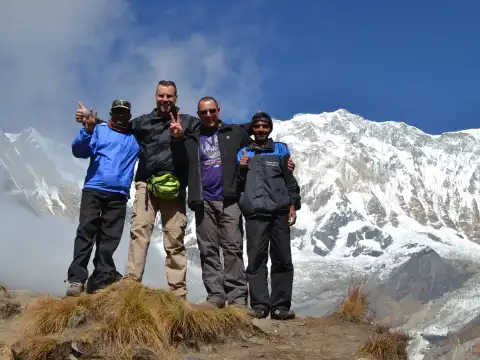
The Annapurna Heli Tour from Kathmandu is a premium, time-efficient Himalayan adventure that allows travellers to experience the breathtaking Annapurna region in a single day. Organised by Nepal Holidays Planner, this tour is designed for those who want to witness the grandeur of the Himalayas without undertaking a long trekking journey. The helicopter flight takes you from the bustling capital city of Kathmandu to the heart of the Annapurna Sanctuary, offering a rare aerial perspective of Nepal’s diverse landscapes.The journey begins early in the morning with a hotel pickup and transfer to Tribhuvan International Airport. From there, the helicopter flies over lush valleys, terraced hillsides, rivers, and traditional villages before reaching Pokhara for a brief technical stop. The highlight of the tour is the landing at Annapurna Base Camp (ABC), surrounded by towering peaks such as Annapurna I (8091 m), Machhapuchhre (Fishtail), Hiunchuli, and other Himalayan giants. Guests can spend a short but memorable time at ABC, enjoying panoramic mountain views and capturing unforgettable photographs.Scenic helicopter flight from Kathmandu to the Annapurna regionAerial views of hills, rivers, and Himalayan landscapesLanding at Annapurna Base Camp (4,130 m approx.)Close-up view of the Annapurna massif and MachhapuchhreSame-day return to KathmanduThis tour is ideal for luxury travellers, photographers, families, and those with limited time but a strong desire to experience the Himalayas.Best Season for Annapurna Heli Tour from KathmanduThe best time to undertake the Annapurna Heli Tour from Kathmandu is during the spring (March to May) and autumn (September to November) seasons. These months offer the clearest skies, stable weather conditions, and the best visibility of the Himalayan ranges. During spring, the landscape is enriched with blooming rhododendrons and lush greenery, while autumn provides crisp air and excellent mountain clarity after the monsoon season.Winter (December to February) can also be suitable for heli tours, especially for those seeking snow-covered landscapes and dramatic views of the Annapurna region. However, temperatures at the base camp are extremely cold, and flights may occasionally be affected by weather conditions. The monsoon season (June to August) is generally less favourable due to heavy rainfall, cloud cover, and reduced visibility, which can impact flight safety and scenic experience.Nepal Holidays Planner carefully monitors weather conditions before each flight to ensure passenger safety and optimal viewing experiences. Flexibility in scheduling is often recommended during less stable seasons.Key Highlights:Best seasons: Spring (Mar–May) & Autumn (Sep–Nov)Clear skies and excellent mountain visibilityWinter offers snowy, dramatic landscapes. The monsoon season is generally avoided due to poor visibilityWeather monitoring ensures safe flight operationsChoosing the right season significantly enhances the overall experience, making the helicopter journey more scenic and memorable.Why Choose Annapurna Heli Tour from KathmanduChoosing the Annapurna Heli Tour with Nepal Holidays Planner offers a unique combination of luxury, comfort, and adventure. Unlike traditional trekking routes that take several days or weeks, this helicopter tour allows travellers to experience the majestic Annapurna region in just a few hours. It is perfect for those who are short on time but still want to witness one of the most iconic mountain ranges in the world.Another major advantage is accessibility. The tour is suitable for people of all age groups, including those who may not be physically fit for trekking at high altitudes. The helicopter provides a safe and comfortable way to reach Annapurna Base Camp, minimising physical strain while maximising scenic exposure. Additionally, the expert pilots and ground crew ensure a smooth, well-coordinated journey with a strong focus on safety and passenger comfort.Beyond convenience, the experience itself is unforgettable. From aerial views of the Himalayas to standing in the heart of the Annapurna Sanctuary, every moment is designed to be visually and emotionally impactful. Nepal Holidays Planner ensures personalised service, professional coordination, and high-quality tour management throughout the journey.Key Highlights:Time-saving alternative to multi-day trekkingSafe and comfortable for all age groupsProfessional service by Nepal Holidays PlannerDirect access to Annapurna Base CampExceptional aerial photography opportunitiesIn summary, this heli tour is the perfect blend of luxury travel and Himalayan adventure, making it one of the most sought-after experiences in Nepal.
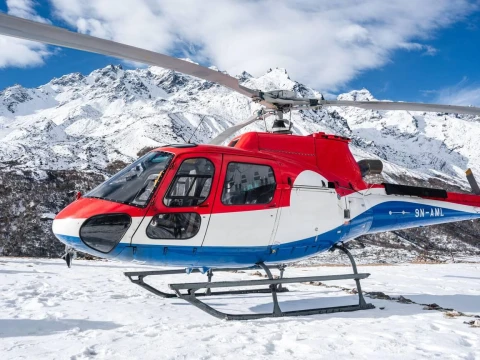
The Langtang Heli Tour from Kathmandu is a luxurious and time-efficient way to experience one of Nepal’s most beautiful Himalayan regions in a single morning. Operated by Nepal Holidays Planner, this helicopter tour is designed for travellers who want to witness the grandeur of Langtang Valley without the long trekking days. The journey takes you from the bustling capital city straight into the heart of the Himalayas, offering dramatic aerial views of snowcapped peaks, deep valleys, glaciers, and traditional mountain settlements.The tour typically begins early morning with a hotel pickup around 6:00 AM, followed by a short drive to Tribhuvan International Airport. After a safety briefing, the helicopter takes off toward Langtang Valley. Within minutes, the urban landscape fades into lush hills and alpine terrain. The highlight is the landing at Kyanjin Gompa (3,950 m), where travellers can explore the monastery, interact with locals, and admire the towering Langtang Lirung (7,227 m). After a brief stop and optional breakfast, the return flight to Kathmandu completes this unforgettable Himalayan experience.Scenic helicopter flight over Kathmandu Valley and the Himalayan rangesLanding at Kyanjin Gompa in Langtang ValleyClose-up views of Langtang Lirung and glaciersCultural interaction with local Tibetan-influenced communitiesSame-day return to Kathmandu in under 4 hours totalBest Season for Langtang Heli Tour from KathmanduThe Langtang Heli Tour can be operated throughout the year, but certain seasons provide significantly clearer visibility and more comfortable flying conditions. The best time is during spring (March to May) and autumn (September to November) when the skies are generally clear, temperatures are moderate, and mountain views are at their sharpest. These months offer the most stable weather patterns, making helicopter flights smoother and more visually rewarding.During spring, the valleys below are filled with blooming rhododendrons and lush greenery, while autumn provides crisp air and crystal-clear Himalayan panoramas after the monsoon season. Winter (December to February) is also good for those who prefer snow-covered landscapes, though temperatures at Kyanjin Gompa can be extremely cold. Monsoon season (June to August) is less ideal due to cloud cover and occasional flight delays.Season-wise highlights:Spring (Mar–May): Blooming forests, clear skies, mild temperaturesAutumn (Sep–Nov): Best visibility, stable weather, sharp mountain viewsWinter (Dec–Feb): Snow landscapes, colder but scenicMonsoon (Jun–Aug): Limited visibility, occasional weather delaysWhy Choose Langtang Heli Tour from KathmanduChoosing the Langtang Heli Tour from Kathmandu with Nepal Holidays Planner is ideal for travellers who want a premium Himalayan experience in a short time frame. Unlike traditional trekking that takes several days, this helicopter tour allows you to reach the heart of Langtang Valley within minutes and return the same morning. It is perfect for luxury travellers, elderly visitors, photographers, and those with limited time in Nepal.Beyond convenience, the tour delivers unmatched aerial views that cannot be experienced from the ground. Flying over deep gorges, glaciers, and Himalayan ridges offers a completely different perspective of the region’s natural beauty. The landing at Kyanjin Gompa also provides a rare opportunity to experience high-altitude culture, monasteries, and breathtaking mountain scenery without the physical demands of trekking.Why this tour stands out:Time-efficient Himalayan experience in a single morningLuxury helicopter ride with expert pilots and safety briefingExclusive landing at Kyanjin Gompa (3,950 m)Stunning photography opportunities from the air and the groundPerfect for all age groups and non-trekkersOperated professionally by Nepal Holidays Planner

This specially curated golf tour in Nepal for Muslim travelers offers a perfect blend of luxury, spirituality, and scenic sporting experiences across two of the country’s most iconic cities – Kathmandu and Pokhara. Designed with halal-friendly services and cultural sensitivity in mind, the trip includes rounds at premier golf courses such as the historic Royal Nepal Golf Club, the tranquil Gokarna Forest Golf Resort, and the breathtaking Himalayan Golf Course in Pokhara. Alongside world-class golfing, travelers enjoy visits to major cultural landmarks, access to prayer facilities and local mosques, and meals prepared with halal ingredients. The tour also incorporates moments of relaxation, scenic exploration, and opportunities to engage with Nepal’s diverse communities, ensuring comfort, spiritual ease, and memorable hospitality throughout the journey.Golf History:Golf in Nepal has a rich but understated history that dates back to the early 20th century, during the Rana regime. The sport was introduced through British influence in India and adopted by Nepalese elites, particularly those who had served in the British army. The first golf course in the country, the Royal Nepal Golf Club, was established in 1917 near the current Tribhuvan International Airport in Kathmandu, making it one of the oldest golf clubs in South Asia. Over time, golf gradually expanded beyond aristocratic circles with the development of other courses such as Gokarna Forest Resort in Kathmandu and the Himalayan Golf Course in Pokhara, known for their scenic and unique landscapes. The formation of the Nepal Golf Association (NGA) in 1980 marked a turning point in the sport’s formal development, promoting local tournaments and international affiliations. Today, golf in Nepal continues to grow in popularity, blending sport with tourism as the country positions itself as a niche destination for eco-friendly and adventure golf experiences amid breathtaking natural settings.This specially designed Golf Tour in Nepal by Nepal Holidays Planner offers a premium blend of sport, nature, culture, and comfort, carefully curated for international travelers, including Muslim guests seeking halal-friendly services. The journey is centered around Nepal’s two most iconic destinations—Kathmandu and Pokhara—where world-class golf courses are set against Himalayan backdrops, lush forests, and serene valleys. Alongside golf experiences, the tour includes cultural exploration, spiritual comfort with prayer arrangements, and halal meal options throughout the trip.The itinerary begins in Kathmandu with a warm welcome, airport transfer, and a traditional dinner experience arranged by Nepal Holidays Planner. Golf lovers then enjoy rounds at the historic Royal Nepal Golf Club, followed by the scenic Gokarna Forest Golf Resort, both offering challenging fairways and natural beauty. The journey continues with a short scenic flight to Pokhara, where the breathtaking Himalayan Golf Course awaits—known for its panoramic views of snow-capped peaks and peaceful surroundings. The final days include leisure time, optional golf rounds, cultural sightseeing, and a relaxed return to Kathmandu before departure.Airport pickup & luxury hotel transfers2 rounds in Kathmandu (Royal Nepal Golf Club & Gokarna Forest)Scenic flight to PokharaGolf at Himalayan Golf CourseHalal meals & prayer-friendly arrangementsCultural sightseeing & leisure timeProfessional assistance by Nepal Holidays PlannerThis itinerary ensures a balanced mix of sport, spirituality, and scenic exploration, making it a memorable Himalayan golfing experience.Golf History in NepalGolf in Nepal has a fascinating and understated history that dates back to the early 20th century during the Rana regime. The sport was introduced under British influence, primarily through Nepalese elites who had exposure to British India and military service abroad. The establishment of the Royal Nepal Golf Club in 1917 marked a historic milestone, making it one of the oldest golf courses in South Asia. Located near Kathmandu’s airport area, it served as the foundation for the country’s golfing culture.Over time, golf slowly expanded beyond elite circles. The development of new courses, such as the Gokarna Forest Golf Resort and later the Himalayan-style course in Pokhara, brought golf closer to nature and tourism. The formation of the Nepal Golf Association (NGA) in 1980 played a key role in organizing tournaments, promoting local talent, and connecting Nepal with international golfing bodies.Today, golf in Nepal is evolving into a niche tourism attraction, blending adventure travel with sport. The courses are known not only for their design but also for their natural surroundings—dense forests, wildlife zones, and Himalayan views.Key historical points:Introduced during the Rana era (early 1900s)Royal Nepal Golf Club (1917) – the oldest courseExpansion through the Gokarna Forest & Pokhara courses Nepal Golf Association was established in 1980Growth from elite sport to tourism-based activityIncreasing international recognition todayGolf in Nepal now represents a unique fusion of heritage, nature, and modern tourism development.Best Season for Golf Tour in NepalThe best season for a Golf Tour in Nepal is generally during the autumn and spring months, when weather conditions are ideal for outdoor sports and mountain views are at their clearest. Specifically, September to November and March to May are considered the most favorable periods. During these months, temperatures remain comfortable, skies are clear, and the Himalayan backdrop is at its most stunning, especially in Pokhara and Kathmandu.Autumn (Sep–Nov) offers crisp air, stable weather, and excellent visibility, making it perfect for golf at courses like Royal Nepal Golf Club and Himalayan Golf Course. Spring (Mar–May) brings blooming flowers, green landscapes, and slightly warmer temperatures, creating a vibrant golfing environment. Winter is also possible for golf, but can be chilly in mornings and evenings, while the monsoon season (June–August) is less ideal due to heavy rainfall and slippery fairways.Seasonal highlights:Autumn (Sep–Nov): Best visibility, stable weatherSpring (Mar–May): Green landscapes & pleasant temperaturesWinter (Dec–Feb): Cooler but playable golf conditionsMonsoon (Jun–Aug): Not recommended due to rainClear Himalayan views in peak seasonsComfortable golfing conditions across all major coursesChoosing the right season ensures maximum enjoyment, smooth travel, and the best possible golfing experience in Nepal.Why Choose Golf Tour in Nepal – Nepal Holidays PlannerChoosing a Golf Tour in Nepal with Nepal Holidays Planner offers a rare combination of world-class golfing, Himalayan scenery, cultural depth, and personalized hospitality. Unlike conventional golf destinations, Nepal provides a unique setting where every swing is framed by mountains, forests, and ancient heritage sites. This makes the experience not just a sport, but a journey of relaxation, discovery, and connection with nature.One of the biggest advantages of this tour is its customized service approach, especially for international and Muslim travelers. The itinerary includes halal meal arrangements, prayer-friendly stops, and culturally respectful services throughout the journey. Additionally, travelers benefit from seamless logistics, including airport transfers, domestic flights, and professionally guided excursions arranged by Nepal Holidays Planner.Key reasons to choose this tour:Unique Himalayan golf experience in NepalCourses like Royal Nepal Golf Club & Himalayan Golf CourseScenic combination of sport, nature & cultureHalal-friendly meals & prayer arrangementsSmooth travel coordination by Nepal Holidays PlannerOpportunity to explore Kathmandu & PokharaProfessional local guidance & hospitalityBlend of leisure, sport, and cultural discoveryUltimately, this tour is ideal for travelers seeking something beyond traditional golf holidays. It combines sporting excellence with spiritual comfort and breathtaking natural beauty, making Nepal one of the most distinctive emerging golf destinations in the world.
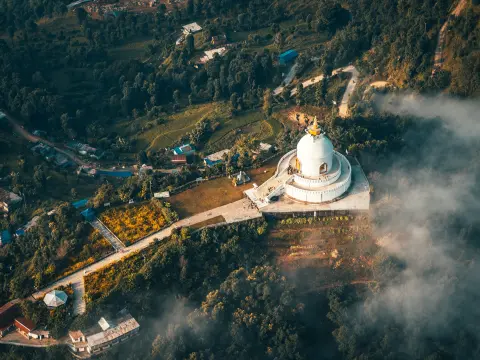
The Pokhara Cultural Tour offered by Nepal Holidays Planner is a carefully designed journey that blends natural beauty, spiritual heritage, and deep cultural exploration in Nepal’s most scenic lake city. Pokhara is not only a gateway to the Annapurna region but also a living cultural museum where diverse ethnic communities, ancient traditions, and modern lifestyles coexist harmoniously. Surrounded by the Annapurna and Machhapuchhre Himalayas, the city offers a peaceful atmosphere enriched with temples, monasteries, museums, and lakeside serenity.This tour allows travelers to experience Pokhara beyond its natural landscapes by engaging with its cultural heartbeat. You will explore sacred sites such as Bindhyabasini Temple, the World Peace Pagoda, and Tibetan refugee settlements that preserve centuries-old Buddhist traditions. The itinerary also includes visits to museums like the International Mountain Museum and local heritage villages where Gurung, Magar, and Newar communities showcase their traditional lifestyle, music, dance, and handicrafts.From boating on the calm waters of Phewa Lake to strolling through old bazaars filled with local art and cuisine, every moment reveals a different layer of Pokhara’s identity. This immersive cultural experience is ideal for travelers who seek meaning, connection, and authenticity in their journey.Blend of culture, nature, and spiritualityVisits to temples, monasteries & museumsInteraction with ethnic communitiesLakeside cultural lifestyle experienceHimalayan mountain backdropBest Season for Pokhara Cultural TourThe best time to enjoy the Pokhara Cultural Tour with Nepal Holidays Planner is during the spring (March to May) and autumn (September to November) seasons. These months offer the most pleasant weather, clear mountain views, and vibrant cultural activity, making sightseeing and outdoor exploration highly enjoyable.During spring, Pokhara comes alive with blooming rhododendrons, lush green hills, and comfortable temperatures. Cultural festivals and local celebrations often take place during this period, giving visitors an authentic glimpse into Nepali traditions. Autumn, on the other hand, is the most popular season due to crystal-clear skies, stable weather, and spectacular views of the Annapurna range reflected in Phewa Lake.Winter (December to February) is also suitable for travelers who prefer fewer crowds and a peaceful atmosphere, although mornings and evenings can be cold. Monsoon season (June to August) brings heavy rainfall, making travel slightly challenging, but it also transforms the landscape into a lush green paradise.Key Highlights:Best seasons: Spring & AutumnClear Himalayan mountain viewsIdeal weather for sightseeingFestivals and cultural eventsWinter for a peaceful travel experienceWhy Choose Pokhara Cultural Tour (Nepal Holidays Planner)Choosing the Pokhara Cultural Tour with Nepal Holidays Planner ensures a well-organized, immersive, and meaningful travel experience. This tour is not just about visiting places but about understanding the soul of Pokhara through its people, traditions, and heritage. Carefully curated itineraries ensure that travelers experience both iconic landmarks and hidden cultural gems.The tour is designed for culture lovers, photographers, researchers, and curious travelers who want to go beyond surface-level tourism. With expert local guides, you gain deeper insights into the history, symbolism, and lifestyle of each destination. The experience is enriched with storytelling, cultural interaction, and opportunities to participate in local traditions.Nepal Holidays Planner focuses on comfort, authenticity, and personalized service. From comfortable accommodations to smooth transportation and thoughtfully planned activities, every detail is managed professionally. The tour also supports local communities by promoting sustainable and responsible tourism practices.Key Highlights:Expert-guided cultural experiencesAuthentic interaction with local communitiesComfortable and well-managed travel servicesFocus on sustainable tourismDeep cultural and historical insights
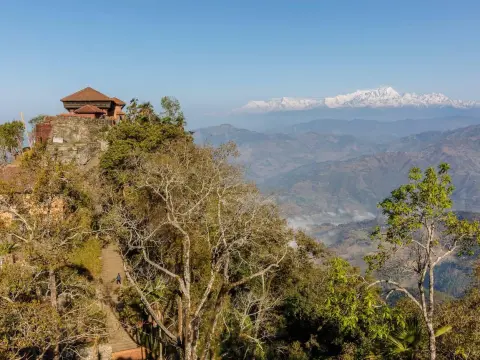
The Gorkha Cultural Tour is an enriching journey into the historical & spiritual heart of Nepal. Located midway between Kathmandu & Pokhara, Gorkha is a region of profound cultural significance, best known as the ancestral home of King Prithvi Narayan Shah, the unifier of modern Nepal. This tour offers travelers a unique opportunity to explore the roots of the country’s monarchy, discover ancient temples, and engage with the traditions of the legendary Gurkha warriors, who have earned global respect for their bravery & discipline. The tour begins with a visit to the historic Gorkha Durbar, an impressive palace–fortress perched atop a hill overlooking the surrounding valleys & Himalayan peaks. This architectural gem combines a palace, fort, and temple, attracting pilgrims from around the globe. Nearby, the Gorkha Museum provides deep insight into the military legacy of the Gurkhas, showcasing artifacts, uniforms, and personal accounts of soldiers who served in British & Indian armies.Beyond its royal and military heritage, Gorkha offers a rich cultural experience through its vibrant ethnic diversity, particularly the Gurung and Magar communities. Visitors can explore traditional villages, observe local farming practices, participate in cultural rituals, and enjoy folk music and dance that reflect the identity of the region. The scenic beauty of the mid-hill landscapes, terraced fields, and distant snow-capped peaks enhances the cultural experience, making the Gorkha cultural Tour both informative and visually captivating.Ideal for history enthusiasts, spiritual seekers, and culturally curious travelers, this tour opens a window into the foundations of Nepalese identity, combining heritage, nature, and local hospitality into a meaningful journey. Exploration of the Gorkha Durbar and ancient royal architectureVisit to historical museums and heritage sitesCultural interaction with the Gurung and Magar communitiesTraditional village lifestyle experience and local farming observationScenic views of Himalayan peaks and terraced landscapesAuthentic Nepali hospitality with local food and cultural performancesThis tour is ideal for travelers seeking meaning beyond sightseeing, offering a powerful connection to Nepal’s identity, traditions, and living history.Best Season for Gorkha Cultural TourThe best time to experience the Gorkha Cultural Tour with Nepal Holidays Planner is during Nepal’s most favorable weather seasons—spring (March to May) and autumn (September to November). These periods provide clear skies, comfortable temperatures, and the best visibility of the Himalayan ranges surrounding the Gorkha region. The cultural villages and historical sites are also more accessible during these months due to stable weather conditions.Spring brings blooming rhododendrons, green landscapes, and pleasant trekking-style weather in the mid-hills. It is an excellent time for village walks, outdoor exploration, and photography. Autumn, on the other hand, is the peak travel season in Nepal, offering crystal-clear mountain views, vibrant cultural festivals, and a festive atmosphere in local communities. These conditions enhance both the cultural and scenic experience of the tour.Although the tour is possible year-round, the monsoon season (June to August) brings heavy rainfall, which may affect road travel to Gorkha, while winter (December to February) can be cold in higher elevations but still suitable for cultural exploration with proper preparation.Best seasonal highlights:Spring (Mar–May): Flowers, greenery, mild weatherAutumn (Sep–Nov): Clear skies, festivals, best mountain viewsWinter (Dec–Feb): Quiet travel, crisp air, fewer crowdsMonsoon (Jun–Aug): Lush landscapes, but travel delays are possibleChoosing the right season ensures a more comfortable, visually rich, and culturally rewarding experience.Why Choose Gorkha Cultural Tour – Nepal Holidays PlannerChoosing the Gorkha Cultural Tour with Nepal Holidays Planner means selecting a journey that goes beyond standard sightseeing and dives deep into Nepal’s historical foundation and living traditions. Gorkha is not just a destination—it is the birthplace of national unity, warrior heritage, and cultural identity. This tour is carefully curated to offer an authentic, well-paced, and meaningful travel experience suitable for history lovers, cultural explorers, and spiritual seekers.One of the biggest advantages of this tour is its combination of history, culture, and community interaction in a single itinerary. Travelers do not only observe monuments but also engage with local lifestyles, participate in cultural activities, and understand the daily life of hill communities. Nepal Holidays Planner ensures professional guidance, comfortable transport, and carefully selected accommodations to enhance safety and comfort throughout the journey.Another key strength is the personalized experience. Unlike mass tourism routes, this tour offers intimate cultural encounters, flexible exploration time, and knowledgeable local guides who bring stories of Gorkha’s past to life. From royal heritage sites to village hospitality, every moment is designed to be meaningful and memorable.Why this tour stands out:Deep historical connection to Nepal’s unification storyAuthentic cultural immersion in Gurung and Magar communitiesProfessionally organized itinerary by Nepal Holidays PlannerBalanced mix of heritage, nature, and local experiencesComfortable travel with guided support throughout the journeyIdeal for educational, cultural, and leisure travelersThis tour is not just travel—it is a journey into the heart of Nepal’s identity.
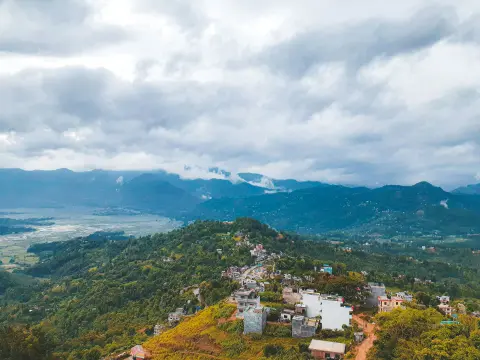
The Palpa Cultural Tour offers a captivating journey into the heart of Nepal’s rich history, architecture, and ethnic heritage. Centered on the charming hill town of Tansen, in the Palpa district, this tour showcases a blend of Newari, Magar, and Nepali cultures set against the backdrop of the scenic mid-hills of western Nepal. Visitors can explore the ancient palaces, temples, and narrow cobbled streets of Tansen bazaar, once a vital trade hub between India and Tibet. Highlights include the historic Rani Mahal (often called the “Taj Mahal of Nepal”), the traditional houses with intricate woodwork, and panoramic viewpoints like Srinagar Hill, which offers stunning views of the Himalayas and surrounding valleys. The tour also provides opportunities to interact with local artists , witness traditional weaving & metalwork, and experience authentic Palpali hospitality. Ideal for culture lovers and off-the-beaten-path lovers, the Palpa Cultural Tour is a perfect blend of history, art, nature, and local life.The Palpa Cultural Tour offered by Nepal Holidays Planner is a thoughtfully designed journey that introduces travelers to the cultural richness and historical depth of western Nepal. Beginning in Kathmandu, the tour gradually takes you into the peaceful hill town of Tansen, where time seems to move at a slower, more traditional pace. Tansen is known for its beautifully preserved architecture, vibrant bazaars, and a harmonious blend of cultures, including Newar and Magar influences. Walking through its narrow alleys, visitors can observe traditional houses, temples, and local life that has remained largely unchanged for generations.A major highlight of the tour is the visit to the iconic Rani Mahal, often referred to as the “Taj Mahal of Nepal.” Situated along the Kali Gandaki River, this palace tells a romantic yet tragic story and offers a unique architectural experience. Along with cultural exploration, the itinerary includes scenic viewpoints, local interactions, and authentic culinary experiences. The tour perfectly balances heritage, nature, and community engagement, making it ideal for those seeking something beyond mainstream destinations.Scenic drive from Kathmandu to TansenExploration of Tansen Bazaar and local marketsExcursion to Rani MahalCultural immersion with local communitiesTraditional Nepali meals and hospitalityBest Season for Palpa Cultural TourThe Palpa Cultural Tour can be enjoyed throughout the year, but certain seasons provide a more rewarding experience. The best time to visit is during spring (March to May) and autumn (September to November). During these months, the weather is generally clear and pleasant, offering stunning views of the surrounding hills and distant Himalayan ranges. The skies remain bright, making sightseeing and photography particularly enjoyable. Spring also brings blooming flowers and lush greenery, enhancing the natural beauty of the region.Autumn, on the other hand, is known for its festive atmosphere in Nepal. Travelers may have the chance to witness major cultural celebrations such as Dashain and Tihar, adding a deeper cultural dimension to the journey. Winter (December to February) is also suitable for travel, especially for those who prefer quieter environments, though mornings can be chilly. The monsoon season (June to August) brings heavy rainfall, which can affect road conditions, but it also transforms the landscape into a vibrant green paradise for those who don’t mind occasional showers.Seasonal Tips:Spring: Best for nature and mild weatherAutumn: Ideal for festivals and clear viewsWinter: quiet environment and fewer touristsMonsoon: Lush scenery but possible travel delaysWhy Choose Palpa Cultural TourChoosing the Palpa Cultural Tour with Nepal Holidays Planner means opting for an authentic and less-commercialized travel experience. Unlike crowded trekking routes or popular tourist hubs, Palpa offers a peaceful and immersive environment where visitors can genuinely connect with local culture and traditions. The tour is carefully curated to include not only sightseeing but also meaningful interactions with the local community, allowing travelers to gain insight into everyday life, craftsmanship, and heritage preservation.Another key advantage is the balance between comfort and exploration. The itinerary includes comfortable accommodations, guided tours, and well-organized transportation, ensuring a smooth and enjoyable journey. At the same time, it encourages exploration of hidden gems, traditional practices, and unique landscapes. Whether it’s strolling through Tansen’s historic streets, enjoying panoramic hilltop views, or learning about local handicrafts, every moment is designed to be enriching and memorable.Reasons to Choose This Tour:Off-the-beaten-path cultural destinationExpert planning by Nepal Holidays PlannerRich blend of history, architecture, and natureOpportunities for authentic local interactionRelaxed pace suitable for all types of travelersThis tour stands out as a meaningful way to experience Nepal beyond the usual мsаршруte, offering depth, beauty, and cultural authenticity in every step.
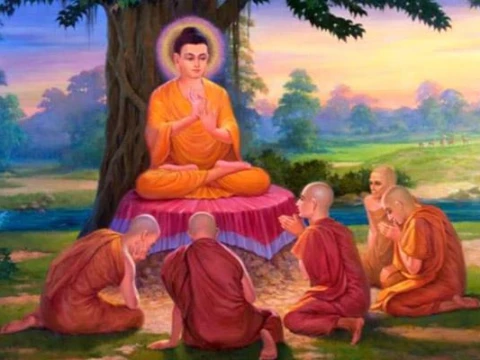
About Buddhist Circuit.The Buddhist circuit is a pilgrimage route in Nepal and India that traces key sites in the life of Lord Buddha, primarily focusing on Lumbini (birthplace), Bodh Gaya (enlightenment), Sarnath (first sermon), and Kushinagar (Mahaparinirvana). The circuit often includes Rajgir, Vaishali, Shravasti, and Sankisa in India, Nawabuddha, Bauddha Natha, and Syambhunatha in Nepal, with guided tours.About Lord Buddha:The word “BUDDHA” means “awakened” in Pali (ENLIGHTENED PERSON). The person who was awakened or achieved the KRISHNA CHAITANYA is the BUDDHA. As per Buddhist philosophy, there were 1000/1000 Buddhas in BIUHA and BHADRA KALPA, and classified in 28 groups. Out of all, Seven, as per Theravada, and Five main enlightened Buddhas' incarnations are there. So, Aarya Putra Shakya Muni is the seventh and last incarnation according to Theravada, but Mahayana claims that Gautama is the fourth incarnation, and that the fifth super-conscious Buddha, called Maitreya, has to come to earth.Shakyamuni Buddha:Lord Buddha, born Siddhartha Gautama around the 6th–5th century BCE in Lumbini, Nepal, was from the SURYA BANSHI Clan of RAMA, a dynasty called Ikshwaku. An ancient warrior of Saketa came to KapilVastu and settled their federal statehood with the other five Pali-speaking state governors, but the ancestors of the Buddha spoke Magadhi, and Lord Buddha’s Mother spoke Pali as her mother tongue.The warriors of Saket, located near Ayodhya, used to be called SAKIYA (Later spelled Shakya), and IKWAKSHU was the scaped warrior from Saket, and the king Suddodhana (The father of Siddartha Gautama) was from the same family. The mother of Lord Buddha was Maya Devi from the Palpali clan in Devdaha, who gave birth to Siddhartha Gautama (Little Buddha), holding a branch of the Ashok tree, while she was going to Devadaha. That place is called Lumbini and it’s now in Nepal. Though MATA MAYADEVI has given the Birth to Little Buddha around 567 BCE and his step mother GAUTAMI has taken care of entire his childhood in Palace of Kapilvastu.Lord Buddha, earlier name Siddartha Gautam borne as a prince who renounced his luxurious life to seek the end of human suffering. After achieving enlightenment (Nirvana) at the age of 35, he spent 45 years teaching the Four Noble Truths and the Eightfold Path, establishing Buddhism.Early Life and Royal Background· Birth: Born to King Suddhodana and Queen Maya of the Shakya clan in Lumbini, which is now in Nepal.· Childhood: The childhood and early years were spent in the palace of Kapilvastu, on caring and guidance of his stepmother, Gautami.· Prophecy: At his birth, a sage, who writes the CHINA (An astrological life predictions noted as per birth time zone.) predicted he would become either a great emperor or a renowned holy man.· Sheltered Life: To keep him away from becoming a holy man, his father kept him inside the palace, shielding him from sickness, old age, death, and the outer world filled with sorrows.· Family: He married Yashodhara and had a son named Rahul. Once he visited his family after being enlightened, Yasodhara didn’t ask him to be with his family. The Four Sights and RenunciationDespite his luxurious life, Siddhartha was curious about the outside world. On visits outside the palace, he saw "four sights" that changed his life:1. An old man: Revealing the reality of aging.2. A sick man: Revealing the reality of sickness.3. A funeral procession: Revealing the reality of death.4. A wandering monk/ascetic: Showing the path to seeking peace.· The Renunciation: At age 29, troubled by the suffering he witnessed, he left his palace, wife, and child to become a wandering ascetic in search of the truth.· Enlightenment and Buddhahood· Searching: He studied under various teachers and practiced extreme asceticism for six years, nearly starving to death.· The Middle Way: Realizing that extreme austerity was not the answer, he embraced the "Middle Way"—a path of moderation between indulgence and deprivation.· Enlightenment: He sat under a Bodhi tree in Bodh Gaya, Bihar, India, and vowed not to rise until he found the truth. At age 35, he achieved enlightenment and became the Buddha, or "The Awakened One". Teachings and Final Days· First Sermon: The Buddha delivered his first sermon in Sarnath, setting in motion the "Dhamma" (wheel of life teaching).· Core Teachings: He taught the four noble truths and the Eight Paths, focusing on overcoming desire to end suffering.· Legacy: He traveled throughout India teaching for 49 years.· Parinirvana: The Buddha passed away at the age of 80 in Kushinagar, India, leaving behind a community of followers known as the Sangha.Siddhartha Gautama, most commonly referred to as the Buddha ('the awakened one'), was a wandering ascetic and religious teacher. Buddhism is more than a religion, it’s ‘Dhamma’, an acceding Path, or a moral educational philosophy for daily human life, as I understand. The most important Places in the Buddhist circuit.Lumbini:Lumbini, the Buddha's birthplace, located in the Rupandehi District of Nepal and near the southern border, is one of the world's most important spiritual sites and attractions for Buddhist pilgrims from around the world. Lumbini, today one can visit over twenty-five Buddhist monasteries built by different nations, such as Nepal, Myanmar, Thailand, Shrilanka, China, Japan, Vietnam, and more. The Buddhist study centers, meditation centers, and the birthplace are also within the sacred Mayadevi Gardens.Mayadevi Temple is the most sacred site in the Lumbini Garden, where archaeologists have identified the exact spot where Lord Buddha was born. The inscriptions on the Ashoka Pillar nearby also refer to the spot as his birthplace. It is said that the newborn Prince Siddhartha (who later became the Buddha) took his first seven steps and delivered his message of peace to humanity here. The birth took place in the beautiful Ashok grove, which is now the focal point of the Lumbini Garden. Mayadevi, the Queen of Shakya King Suddhodhana of Kapilvastu, while passing through the Lumbini Garden, on the day of Baishakha Purnima (full moon day of May in 623 BC) to her parents' place Devagram. On the way, she took a bath in the Sacred Pond called Pushkarini. Soon after she finished her ritual bath in the pond, she gave birth to Prince Siddhartha Gautama, the little Buddha. For the higher studies of Buddhist philosophy, “Lumbini Buddhist University” is literally an educational institution at the birthplace of Lord Buddha. The 1998 Buddhist summit held in Lumbini unanimously passed a resolution to open an University for Higher Studies of Buddhism, which was implemented in 2004. That university was opened on June 17th in this year. Bodha Gaya:Bodh Gaya is a village in the northeast Indian state of Bihar, is one of the most important Buddhist pilgrimage sites, where Lord Buddha was enlightened beneath a sacred Bodhi Tree. The places to visit out there are MAHABODHI TEMPLE, where the temple premises have built a spout to mark the site where Lord Buddha was enlightened. On a direct descendant of the holy tree sites, within the premises nowadays, there are the Great Buddha Statue, the Thai Temple, the Japanese Temple, and various monasteries and sacred sites, including a lotus pond in Bodha Gaya. Sarnath:Sarnath, about 8 miles northeast of Varanasi, now in Uttar Pradesh, India near the confluence of the Ganges and the Varuna rivers. As the LALITA VISTARA SUTRA states, Lord Buddha chose a "Deer Park by the Hill of the Fallen Sages, outside of Varanasi" for his first teaching after his attained enlightenment in Bodh Gaya. The first chosen ascetics (students) - (Pancavaggiya) for his first sermon entitled Dhammacakkappavattana Sutta, by Lord Buddha were KADINYA, ASSAJI, BHAIDDYA, VAPPA and MAHANAMA in Sarnath. Later, Kaudinya became the first comprehend the teaching and attain enlightenment making him the very first disciple. Dhamekh Stupa, Wat Thai Temple, Peace Buddhist Temple, Deer park and Museum are the main attractions out Kushinagar:Kushinagar is a town, located approximately 250 Kms east of Vanarashi and approximately 197 kms. South east of Lumbini in the Kushinagar district of Uttar Pradesh, India.Kushinagar, where Lord Buddha went for Mahaparinirvana after the 81st year of his birth on the same date that is Baisakha Purnima. So Kushinagar is one of the main Buddhist pilgrimage site. Parinirvana Stupa, Kushinagar Temple, Golden Temple, Matha Kuar Shrine, Nauka Vihar, Myanmar Stupa & Temple (Burma Temple), Buddha Temple, and Buddhist Museum are the main attractions of Kushinagar.The things to know.· Best Time to Visit: October to March (cooler weather).· Tour packages cover all above mentions with accommodations, along with surface transfers and a guide.· Border Crossing: When crossing from Nepal (Sunauli) to India and vice versa, ensure you have your passport and necessary visa.· Dress Code: Modest clothing is required, particularly in temples. Rest as per your comfortable. But one must remove the shoes and sandals before entering sacred sites and monuments. Outer cases in the premises are allowed the cotton or non-leather footwear. Better to know, In the male form: Lokeshwara Avatilokeshwara PadmapaniThe group heads of Buddhism in the form of gods: DIPANKARA BUDDHA.Female form: Tara Harit Tara Neer Tara Ugra Tara The main Buddhist pilgrimage sites.· Swayambhunath, including bodhisattva Maha Manjushree temple.· Charumati Vihar· Bauddhanath· Nawa Buddha, Kavre· Avaetilokeshwar (Mokshanatha)· Pharping Monastery, Kathmandu· Golden Temple, Lalitpur· Mahabauddha Temple, Lalitpur· Halesi Mahadev, Khotang· Tyangboche monastery, Solukhumbu· Buddhist circuit. Lumbini, Nepal Bodhagaya, India Sarnath, India Kushinagar, India.Holy Mount Kailash Parikrama (Kora), Tibet,There are several other Buddhist pilgrimage sites in Nepal and its surrounding neighboring nations. The Buddhist fairs and festivals in Nepal. · Baishak Purnima is celebrated all over the Nation. Marking the birthday of lord buddha, the Enlightened Day, as well as the Mahaparinirvan day of lord Buddha.· Mahadan, offering the things to Dipankara Buddha.· Lhosar day. To mark the New Year.· Mani Rimdu, A colourful Sherpa festival, Beautiful masked (featuring mask) dance.
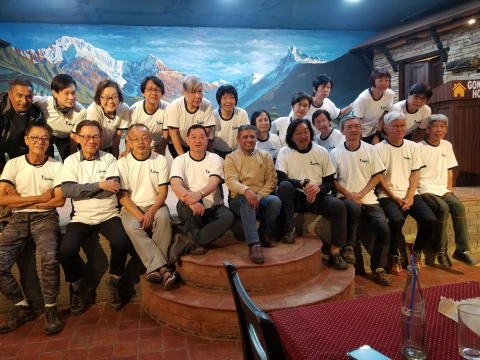
A corporate tour in Nepal offers far more than just meetings and networking – it is a transformative experience that blends business with adventure, wellness, and cultural immersion. Set against the backdrop of the majestic Himalayas, Nepal is an ideal destination for organizations seeking to inspire creativity, strengthen team dynamics, and reward performance in a meaningful way. Unique highlights, such as an exhilarating mountain flight offering close-up views of Everest, provide once-in-a-lifetime experiences that foster motivation and awe. In addition, the participants are enriched with meaningful wellness activities like guided meditation, sound healing, or traditional Ayurvedic therapies, allowing them to reset and recharge on a deeper level. With a perfect mix of business engagements, adventure, and holistic rejuvenation, a corporate tour in Nepal becomes a journey of both professional growth and personal transformation.A corporate tour in Nepal organized by Nepal Holidays Planner is designed as a high-impact blend of business productivity, experiential travel, and personal transformation. Unlike conventional corporate retreats, Nepal offers a rare combination of dramatic natural scenery, rich cultural heritage, and deeply grounding wellness experiences. Set in the shadow of the Himalayas, this journey creates an environment where leadership teams, executives, and employees can step away from routine pressure and reconnect with purpose, creativity, and collaboration.One of the most defining highlights of this corporate tour is the mountain flight experience, where participants witness panoramic views of the world’s highest peaks, including Mount Everest, Lhotse, and Makalu. This aerial perspective often becomes a symbolic moment for teams—representing clarity, ambition, and elevation of thought. The experience is further amplified by an exclusive helicopter tour to Everest Base Camp (EBC), offering a close-up encounter with the Himalayas that is both emotionally powerful and visually unforgettable. These adventure elements are carefully balanced with structured business sessions conducted in peaceful, distraction-free environments.Equally important is the healing and wellness dimension integrated into the itinerary. Activities such as guided meditation, sound healing therapy, yoga sessions, and optional Ayurvedic treatments help participants reset mentally and physically. This ensures that productivity is not just enhanced through strategy, but also through inner balance and well-being.Mountain flight over Everest and Himalayan rangeHelicopter tour to Everest Base Camp and Kala PattharCorporate meetings in scenic, distraction-free settingsYoga, meditation, and sound healing sessionsCultural immersion with traditional Nepali experiencesBest Season for Corporate Tour in NepalChoosing the right season is essential for maximizing both comfort and experience during a corporate tour in Nepal with Nepal Holidays Planner. Nepal has four main seasons, but two stand out as the most suitable for corporate travel: autumn (September to November) and spring (March to May). These periods offer the most stable weather conditions, clear mountain visibility, and pleasant temperatures—ideal for both outdoor activities and business-focused sessions.Autumn is widely regarded as the best season due to its crisp air, post-monsoon clarity, and spectacular Himalayan views. This is the peak time for mountain flights and helicopter tours, as the visibility of Everest and the surrounding peaks is at its finest. Spring, on the other hand, brings blooming rhododendrons, lush landscapes, and slightly warmer conditions, making it perfect for wellness retreats and outdoor exploration in places like Pokhara and Nagarkot.Winter (December to February) can also be considered for corporate retreats focused on indoor meetings and wellness, though higher altitude visibility may vary. Monsoon season (June to August) is generally less recommended due to heavy rainfall and limited flight clarity, although it offers a peaceful, green landscape for wellness-focused programs.Seasonal advantages include:Autumn: Best Himalayan visibility and stable weatherSpring: Blooming nature and comfortable trekking conditionsWinter: Ideal for indoor retreats and wellness programsMonsoon: Quiet environment and lush green sceneryCorporate Tour in Nepal: Difficulty and TransportationA corporate tour organized by Nepal Holidays Planner is designed to be comfortable, flexible, and suitable for all fitness levels. It does not require trekking expertise or physical endurance, making it accessible for executives, corporate teams, and international travelers of varying age groups. Activities such as mountain flights, helicopter tours, cultural sightseeing, and wellness retreats are carefully curated to ensure minimal physical strain while maximizing experience and engagement.Transportation throughout the tour is well-managed and optimized for convenience. In Kathmandu and Pokhara, participants travel in private luxury vehicles, ensuring comfort and punctuality. Domestic flights are used for longer routes such as Kathmandu–Pokhara, offering time efficiency and scenic aerial views. Helicopter transfers for Everest Base Camp are arranged with strict safety protocols and experienced pilots. Road journeys, such as Kathmandu to Pokhara, are conducted via tourist-standard highways with comfortable stops along the way.The overall difficulty level of the corporate tour is considered easy to moderate, primarily due to short walks, light hikes, and optional adventure activities. Even physically demanding options like paragliding or hiking to viewpoints are fully optional, allowing participants to choose their comfort level.Transportation and difficulty highlights:Private luxury vehicles for city travelDomestic flights for fast and scenic transfersHelicopter tours with professional safety standardsEasy walking tours and optional light adventure activitiesSuitable for all age groups and fitness levelsFood and Accommodation for Corporate Tour in NepalFood and accommodation are key elements of the corporate experience designed by Nepal Holidays Planner, ensuring comfort, hygiene, and a premium travel experience. Throughout the tour, participants are accommodated in carefully selected 4-star and 5-star hotels, boutique resorts, and lakeside properties, depending on the destination. In Kathmandu, luxury hotels provide modern conference facilities, while in Pokhara, serene lakeside resorts offer peaceful views of the Annapurna range.Accommodation is chosen not only for comfort but also for its atmosphere, which supports relaxation, reflection, and team bonding. Rooms are well-equipped with modern amenities, Wi-Fi access, and spacious meeting areas when needed. In wellness-focused segments of the tour, eco-resorts and retreat centers are used to enhance mindfulness and healing experiences.Food is another highlight of the journey, combining international cuisine with authentic Nepali flavors. Corporate groups enjoy buffet-style breakfasts, multi-course lunches, and curated dinners featuring both vegetarian and non-vegetarian options. Special attention is given to hygiene, dietary restrictions, and nutritional balance, especially during wellness days in Pokhara.Food and accommodation features include:Luxury hotels in Kathmandu and boutique resorts in PokharaLakeside and mountain-view accommodationsHygienic multi-cuisine meals (Nepali, Asian, Continental)Organic and vegetarian options during wellness retreatsCustomized menus for corporate groupsCorporate Tour in Nepal PermitsFor a corporate tour in Nepal managed by Nepal Holidays Planner, most travel arrangements are straightforward, but certain activities require official permits and regulatory compliance. Nepal is a well-regulated tourism destination, and permits ensure safety, environmental protection, and controlled access to sensitive areas, especially in the Himalayan region.For activities such as the Everest Base Camp helicopter tour, aviation permissions are coordinated by licensed operators in compliance with the Civil Aviation Authority of Nepal. Similarly, entry into national parks, conservation areas, and heritage sites may require permits such as the TIMS card or local entry fees. These are fully arranged by the tour operator, ensuring a hassle-free experience for corporate groups.Cultural sites in Kathmandu Valley, including UNESCO World Heritage Sites like Bhaktapur Durbar Square, also require entry tickets, which are managed in advance. Since corporate tours are structured and pre-planned, all permits and documentation are typically included in the package, eliminating administrative burden for participants.Permit-related highlights:Helicopter flight permissions for the Everest regionNational park and conservation area entry permitsHeritage site entry fees in Kathmandu ValleyTIMS or regional tourism permits, where applicableFully managed documentation by Nepal Holidays PlannerWhy Choose a Corporate Tour in NepalA corporate tour in Nepal with Nepal Holidays Planner is more than a travel program—it is a strategic investment in people, leadership, and organizational culture. Nepal offers a rare environment where high-level business discussions can be combined with inspiring natural landscapes, wellness practices, and cultural depth. This unique combination helps teams build stronger communication, trust, and long-term motivation.Unlike conventional corporate retreats held in urban hotels, Nepal provides an immersive experience that naturally encourages reflection and innovation. Activities such as mountain flights, Everest helicopter tours, lakeside retreats in Pokhara, and wellness healing sessions create lasting emotional impact. These shared experiences often translate into improved teamwork, creativity, and leadership alignment after returning to work.Nepal Holidays Planner ensures every detail is professionally managed—from logistics and accommodation to safety, comfort, and personalized experiences. The result is a seamless journey that balances productivity with inspiration.Key reasons to choose Nepal include:Unique blend of business, adventure, and wellnessIconic Himalayan experiences, including the Everest helicopter tourStrong team bonding through shared immersive activitiesProfessional end-to-end management by Nepal Holidays PlannerSafe, structured, and customizable corporate travel programsDeep cultural and spiritual enrichment opportunities
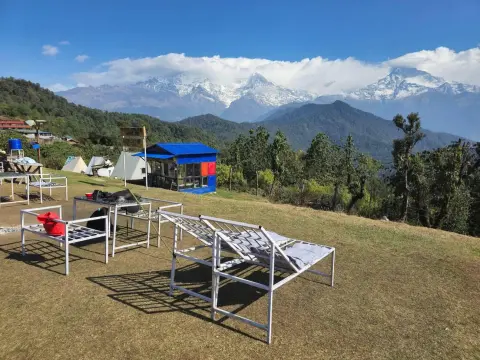
Explore on a transformative corporate tour to Nepal, where the majestic Himalayas meet rich cultural heritage and serene natural beauty. This thoughtfully curated package begins in Kathmandu, Nepal’s vibrant capital, where your team will be welcomed with a traditional reception at a luxury hotel. The first couple of days are dedicated to business workshops, seminars, or meetings at well-equipped conference venues. In the evenings, participants can enjoy fine Nepali cuisine and cultural dance performances, offering an authentic introduction to local traditions. The journey then transitions to Pokhara, a peaceful lakeside city known for its breathtaking views of the Annapurna Range. A scenic flight or comfortable drive leads the team to this picturesque retreat, where corporate sessions can be held in a serene lakeside resort with panoramic mountain views. Between sessions, activities like boating on Phewa Lake, paragliding, or a visit to the World Peace Pagoda provide refreshing breaks and foster team bonding in nature. Next, the itinerary introduces an adventure component specifically designed for corporate teams. A short trek to Australian Camp offers a light, achievable challenge that encourages teamwork and resilience. This overnight experience includes hiking through terraced fields, staying in cozy lodges, and enjoying stunning sunrise views over snow-capped peaks, ideal for reflection, motivation, and camaraderie. For those seeking less physical activity, alternatives like yoga retreats, village visits, or guided nature walks will be arranged. The final leg of the journey brings the team back to Kathmandu for a relaxed conclusion to the tour. A visit to UNESCO World Heritage Sites such as Patan and Bhaktapur Durbar Squares, Swayambhunath, and Boudhanath provides a deeper cultural context, while local craft workshops or souvenir shopping offer fun, informal closing activities. A farewell dinner in a heritage restaurant serves as a perfect setting to reflect on the experience and strengthen professional relationships.This corporate tour package is designed not only to rejuvenate and reward professionals but also to inspire collaboration, creativity, and connection through Nepal’s unique blend of culture, nature, and hospitality. Luxury arrival and welcome in KathmanduProfessional corporate meetings and workshopsUNESCO cultural sightseeing toursScenic transfer to Pokhara lakeside retreatTeam-building and wellness activitiesLight adventure trek to Australian CampFarewell dinner and reflection ceremonyThis corporate tour is designed to inspire innovation, strengthen teamwork, and reward employees through Nepal’s natural beauty and cultural richness.Best Season for Corporate Tour: Kathmandu – Pokhara – KathmanduThe best time to experience the Corporate Tour: Kathmandu – Pokhara – Kathmandu with Nepal Holidays Planner is during Nepal’s most stable and visually rewarding travel seasons—autumn (September to November) and spring (March to May). These periods offer the most favorable weather conditions for both corporate activities and outdoor experiences, ensuring smooth logistics and maximum enjoyment for participants.During autumn, the skies remain exceptionally clear after the monsoon season, offering breathtaking panoramic views of the Himalayas, especially from Pokhara and nearby trekking routes like Australian Camp. Temperatures are mild, making it ideal for business conferences in Kathmandu as well as outdoor team-building activities. Similarly, spring brings blooming rhododendrons, pleasant temperatures, and vibrant natural scenery, creating an inspiring environment for corporate retreats.These seasons are particularly well-suited for balancing indoor professional sessions and outdoor experiential learning, which is the core strength of this corporate package. The stable weather ensures that flights between Pokhara and Kathmandu operate smoothly, and trekking or sightseeing activities are comfortable and safe.Best seasonal advantages include:Clear mountain views of Annapurna and MachhapuchhreComfortable temperatures for outdoor activitiesIdeal conditions for trekking and hiking experiencesSmooth transportation and flight reliabilityVibrant cultural festivals (especially in autumn)Blooming landscapes during the spring seasonWhile winter (December–February) is also possible for corporate groups seeking quieter travel, and monsoon (June–August) offers lush greenery, the recommended seasons remain autumn and spring for the most balanced and enriching corporate experience. Nepal Holidays Planner carefully tailors itineraries during these periods to maximize productivity, comfort, and experiential value.Why Choose Corporate Tour: Kathmandu – Pokhara – Kathmandu (Nepal Holidays Planner)Choosing the Corporate Tour: Kathmandu – Pokhara – Kathmandu with Nepal Holidays Planner means investing in a transformational experience that goes far beyond traditional business travel. This program is specifically designed to enhance employee motivation, encourage teamwork, and improve organizational performance through immersive experiences in Nepal’s most iconic destinations.Unlike conventional corporate retreats, this tour integrates business productivity with cultural exploration, wellness, and light adventure. Kathmandu provides the ideal professional setting with modern conference facilities and rich cultural exposure, while Pokhara introduces a refreshing natural environment that stimulates creativity and reduces workplace stress. The combination of structured meetings and experiential activities ensures that participants return with renewed focus and stronger team bonds.The inclusion of activities such as team-building exercises, yoga sessions, lakeside relaxation, and a short trek to Australian Camp helps teams develop trust, communication, and leadership skills in real-world settings. These experiences create lasting emotional connections among team members, which directly translates into improved workplace collaboration.Key reasons to choose this corporate tour:Professionally managed by Nepal Holidays PlannerPerfect balance of business and leisure experiencesBoosts teamwork, leadership, and communication skillsInspiring Himalayan and lakeside environmentsSafe, well-organized logistics and accommodationsCustomizable itinerary for corporate needsCultural immersion with authentic Nepali hospitalityAdditionally, the farewell ceremony and cultural dinner provide a meaningful closure, allowing organizations to celebrate achievements and reinforce company values. With expert planning, personalized service, and immersive experiences, Nepal Holidays Planner ensures this corporate journey becomes a powerful tool for employee engagement and organizational growth.
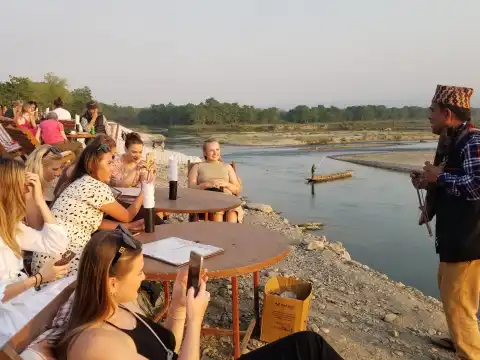
This tour package offers a perfect blend of business and leisure, taking participants through three of Nepal’s most iconic destinations – Kathmandu, Pokhara, and Chitwan. The journey begins in Kathmandu, the cultural and political heart of the country, where delegates can engage in productive meetings and networking events while also exploring UNESCO World Heritage Sites, such as Swayambhunath, Patan Durbar Square, and Pashupatinath. From there, the tour moves to the serene city of Pokhara, known for its tranquil lakes and breathtaking views of the Annapurna range – ideal for team-building activities, relaxation, and adventure sports such as boating, paragliding, or hiking to the Peace Pagoda. The final leg of the tour takes the group to Chitwan, where participants can unwind in nature with jungle safaris, cultural Tharu dance performances, and wildlife spotting in the Chitwan National Park. With comfortable accommodations, smooth logistics, and a balance of formal engagements and leisure experiences, this corporate tour is designed to strengthen professional relationships while showcasing Nepal’s rich natural and cultural heritage. The Corporate Tour: Kathmandu – Pokhara – Chitwan by Nepal Holidays Planner is a thoughtfully designed program that blends professional engagement with cultural exploration and natural relaxation. This itinerary is ideal for corporate teams, business groups, and organizations seeking a productive yet refreshing retreat in Nepal. The journey begins in Kathmandu, the capital city known for its deep historical roots, vibrant culture, and political importance. Here, participants engage in business conferences, strategic meetings, and networking sessions in fully equipped venues, while also exploring UNESCO-listed heritage landmarks such as Kathmandu, Swayambhunath Stupa, and Pashupatinath Temple. This combination of work and cultural immersion creates a balanced corporate experience.From Kathmandu, the journey continues to the scenic paradise of Pokhara, where calm lakes and Himalayan views set the perfect stage for team-building and relaxation. Activities such as boating on Phewa Lake, sunrise trips to Sarangkot, and adventure sports help strengthen collaboration and creativity among participants. The final destination is Chitwan National Park, a UNESCO World Heritage Site known for its rich biodiversity and jungle experiences. Here, teams enjoy jeep safaris, canoe rides, and cultural encounters with the indigenous Tharu community.Business meetings & conferences in KathmanduCultural heritage tours (UNESCO sites)Scenic relaxation in Pokhara with adventure optionsJungle safari & wildlife exploration in ChitwanCultural immersion with Tharu traditionsOrganized logistics by Nepal Holidays PlannerBest Season for Corporate Tour: Kathmandu – Pokhara – ChitwanThe best season for the Corporate Tour: Kathmandu – Pokhara – Chitwan, organized by Nepal Holidays Planner, is generally during autumn (September to November) and spring (March to May). These seasons offer the most favorable weather conditions for both business activities and outdoor exploration. During autumn, the skies remain clear, providing stunning Himalayan views in Pokhara and comfortable temperatures across all three destinations. Similarly, spring brings blooming flowers, lush greenery, and pleasant weather, making it ideal for sightseeing, trekking, and jungle activities in Chitwan.Winter (December to February) is also suitable for corporate tours, especially in Kathmandu and Pokhara, though Chitwan may feel slightly cooler in the mornings and evenings. Monsoon season (June to August), while less preferred due to rainfall, offers lush landscapes and fewer crowds, which may appeal to companies seeking a more private and quiet experience. However, travel schedules may be slightly affected by weather conditions.Seasonal Highlights:Autumn: Best visibility, clear mountain views, ideal travel conditionsSpring: Blooming nature, comfortable climate, vibrant sceneryWinter: Cool and calm atmosphere, good for cultural toursMonsoon: Lush greenery, fewer tourists, peaceful experienceRecommended months: September–November & March–MayChoosing the right season ensures that corporate groups enjoy a smooth balance of meetings, sightseeing, and outdoor adventures while maximizing comfort and productivity throughout the journey.Why Choose Corporate Tour: Kathmandu – Pokhara – ChitwanChoosing the Corporate Tour: Kathmandu – Pokhara – Chitwan with Nepal Holidays Planner offers companies a unique opportunity to combine business development with employee motivation, team bonding, and cultural enrichment. This carefully curated program goes beyond traditional corporate retreats by integrating strategic meetings with immersive travel experiences across Nepal’s most iconic destinations. It allows organizations to strengthen internal relationships while exposing teams to inspiring natural landscapes and rich cultural heritage.One of the key advantages of this tour is its seamless balance between productivity and leisure. In Kathmandu, teams can focus on meetings and workshops in professional environments. In Pokhara, they unwind through nature-based activities and adventure sports that encourage teamwork and creativity. In Chitwan, participants experience wildlife safaris and cultural interactions that promote shared memories and relaxation. This combination enhances communication, leadership, and collaboration within corporate teams organically and engagingly.Why companies prefer this tour:Professionally managed itinerary by Nepal Holidays PlannerPerfect balance of work meetings and leisure activitiesEncourages team bonding and employee motivationAccess to Nepal’s top cultural, natural, and wildlife destinationsStress-free travel with complete logistics supportMemorable experiences that strengthen corporate cultureSuitable for incentive trips, retreats, and conferencesOverall, this corporate tour is not just a travel package but a transformative experience that enhances productivity, boosts morale, and creates lasting professional and personal connections.
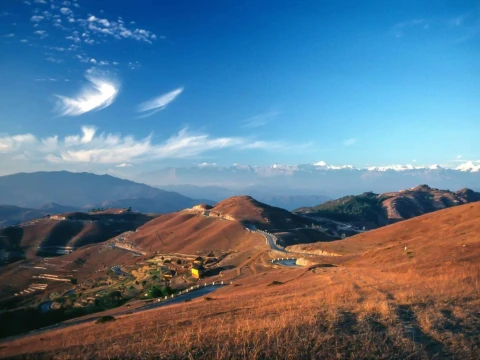
All Nepal Corporate Tour Package offers a comprehensive journey through the diverse cultural, natural, and historical landscapes of Nepal. It is tailored specifically for corporate groups seeking a unique blend of business, leisure, and team development. This package is designed to take participants across the country’s most iconic destinations, including the bustling heritage sites of Kathmandu, the serene lakes and mountain views of Pokhara, the rich wildlife of Chitwan, the spiritual calm of Lumbini, and the adventure-filled hills of Nagarkot and Dhulikhel. Combining well-organized business sessions, team-building activities, cultural immersions, and adventure experiences, this tour creates the perfect environment for fostering collaboration, creativity, and connection among colleagues. With professional logistics, quality accommodations, and curated experiences, the All Nepal Corporate Tour ensures a memorable and productive journey for any organization looking to strengthen team spirit while discovering the heart of Nepal.The All Nepal Corporate Tour Package by Nepal Holidays Planner is a carefully curated journey that blends business productivity with cultural exploration, natural beauty, and meaningful team engagement. Designed specifically for corporate groups, this package transforms a standard business trip into a multi-dimensional experience across Nepal’s most iconic destinations. From the heritage-rich Kathmandu Valley to the peaceful lakes of Pokhara, the wildlife haven of Chitwan, the spiritual birthplace of Lumbini, and the panoramic hilltop retreat of Nagarkot, the itinerary ensures a balanced mix of work, relaxation, and adventure.This package is more than just travel—it is a strategic corporate retreat that enhances teamwork, communication, and leadership development. Each destination is selected to offer unique value: business conferences in Kathmandu, outdoor bonding in Pokhara, wildlife safaris in Chitwan, mindfulness in Lumbini, and reflection in Nagarkot. With Nepal Holidays Planner handling logistics, accommodation, transport, and curated experiences, organizations can focus fully on their team objectives while enjoying a seamless travel experience.Professional business conferences with a full technical setupUNESCO World Heritage sightseeing in KathmanduScenic drives through Nepal’s diverse landscapesAdventure and team-building activities in PokharaJungle safari and cultural immersion in ChitwanSpiritual exploration in LumbiniHimalayan sunrise experience in NagarkotLuxury stays with full-board meals and guided servicesOverall, this package is designed to strengthen corporate relationships while showcasing the best of Nepal in a structured, comfortable, and enriching way.Best Season for All Nepal Corporate Tour PackageThe best time to experience the All Nepal Corporate Tour Package by Nepal Holidays Planner is during the spring (March to May) and autumn (September to November) seasons. These months offer the most favorable weather conditions across Nepal, ensuring smooth travel, clear mountain views, and comfortable outdoor activities. During these periods, corporate groups can fully enjoy sightseeing, trekking, jungle safaris, and cultural experiences without weather disruptions.Spring brings blooming rhododendrons, lush green landscapes, and mild temperatures, making it ideal for outdoor team-building activities in Pokhara and Chitwan. Autumn, on the other hand, offers crystal-clear skies, stunning Himalayan visibility, and vibrant festival atmospheres, enhancing cultural immersion in Kathmandu and Lumbini. These seasons also ensure safer road travel between destinations like Pokhara, Chitwan, and Lumbini.Recommended seasonal advantages include:Clear Himalayan views in Nagarkot and PokharaPleasant temperatures for outdoor meetings and activitiesBest wildlife sightings in Chitwan National ParkIdeal conditions for photography and sightseeingStable weather for long intercity drivesEnhanced cultural experiences during festival periodsWhile the tour can be arranged year-round, Nepal Holidays Planner strongly recommends spring and autumn for the most comfortable, visually rewarding, and productive corporate experience in Nepal.Why Choose All Nepal Corporate Tour PackageChoosing the All Nepal Corporate Tour Package by Nepal Holidays Planner means selecting a thoughtfully designed experience that goes beyond traditional corporate travel. This package is not only about visiting Nepal but about creating meaningful team connections, improving workplace collaboration, and offering employees a refreshing break from routine office environments. Every detail is professionally managed to ensure comfort, productivity, and engagement throughout the journey.One of the strongest reasons to choose this package is its perfect balance between business and leisure. It integrates structured corporate sessions with cultural exploration, adventure activities, and relaxation. From high-level conferences in Kathmandu to wildlife safaris in Chitwan and spiritual reflection in Lumbini, the itinerary supports both professional growth and personal rejuvenation. The inclusion of luxury accommodations, experienced guides, and seamless transportation ensures a stress-free experience for all participants.Key reasons to choose this package:End-to-end professional management by Nepal Holidays PlannerPerfect blend of corporate meetings and leisure activitiesUnique team-building experiences across multiple destinationsExposure to Nepal’s culture, nature, and heritage sitesLuxury accommodation and comfortable transportationCustomizable itinerary based on corporate needsOpportunity to boost employee motivation and productivityUltimately, this corporate tour is ideal for organizations aiming to inspire their teams, strengthen internal relationships, and reward employees with an unforgettable journey through the diverse beauty of Nepal.
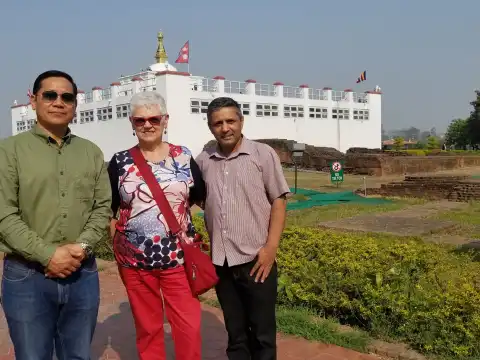
The Buddhist pilgrimage tour in Nepal offers a spiritually immersive journey through some of the most sacred Buddhist sites in the world, centered on the life and teachings of Lord Buddha. Beginning in Kathmandu, the tour introduces pilgrims to revered stupas like Boudhanath and Swayambhunath, along with peaceful monasteries such as Kopan and the historically significant Pharping, associated with Guru Rinpoche. The journey continues to Lumbini, the birthplace of Lord Buddha, where visitors can walk through the sacred gardens, visit the Maya Devi Temple, and explore beautifully constructed international monasteries representing global Buddhist traditions. A visit to Tilaurakot, the ancient palace where Prince Siddhartha spent his early years, deepens the historical context of the pilgrimage. This thoughtfully designed tour combines spiritual reflection, cultural heritage, and peaceful landscapes, offering participants a profound sense of inner peace, mindfulness, and connection to the path of enlightenment.The Buddhist Pilgrimage Tour in Nepal, offered by Nepal Holidays Planner, is a deeply enriching spiritual journey that traces the life, enlightenment, and teachings of Lord Buddha across some of the most sacred sites in the world. Beginning in Kathmandu, the tour introduces travelers to iconic spiritual landmarks such as Boudhanath Stupa, Swayambhunath (Monkey Temple), Kopan Monastery, and the mystical site of Pharping. Each location holds centuries of devotion, where prayer flags flutter in the wind, monks chant ancient mantras, and pilgrims from around the world gather in search of peace and mindfulness.The journey continues beyond the valley to Lumbini, the sacred birthplace of Buddha, where the Maya Devi Temple, Ashokan Pillar, and monastic zones from various countries create a powerful atmosphere of global Buddhist unity. Further exploration of Tilaurakot and Kapilvastu reveals the historical roots of Prince Siddhartha’s early life before renunciation, offering a complete spiritual and historical perspective. With carefully curated experiences, comfortable travel arrangements, and guided insights, Nepal Holidays Planner ensures that each traveler connects deeply with Buddhist philosophy, heritage, and inner reflection.Visit UNESCO-listed Buddhist heritage sitesExplore Boudhanath, Swayambhunath, and Kopan MonasteryExperience Lumbini, the birthplace of BuddhaWalk through Tilaurakot and Kapilvastu archaeological sitesParticipate in meditation and spiritual practicesScenic drives through Nepal’s diverse landscapesBest Season for Buddhist Pilgrimage Tour in NepalThe best time to experience the Buddhist Pilgrimage Tour in Nepal, organized by Nepal Holidays Planner is during the spring (March to May) and autumn (September to November) seasons. These periods offer the most favorable weather conditions for travel, sightseeing, and spiritual exploration. The skies are generally clear, temperatures are moderate, and the natural surroundings are at their most beautiful, creating an ideal environment for meditation and peaceful reflection.Spring brings blooming flowers, lush greenery, and a refreshing atmosphere across Kathmandu Valley and Lumbini. Autumn, on the other hand, follows the monsoon season, leaving behind crisp air, stunning mountain views, and vibrant cultural festival energy. These seasons not only ensure comfortable road journeys between destinations like Kathmandu, Lumbini, and Kapilvastu but also enhance the spiritual experience by allowing uninterrupted visits to monasteries and sacred sites.Seasonal Advantages:Clear skies and excellent visibility for sightseeingComfortable temperatures for long drives and walking toursBest conditions for meditation and monastery visitsScenic beauty in both the hills and the Terai plainsOpportunity to experience local festivals (especially in autumn)Smooth travel conditions with minimal weather disruptionsWhy Choose Buddhist Pilgrimage Tour in NepalChoosing the Buddhist Pilgrimage Tour in Nepal with Nepal Holidays Planner provides travelers with a meaningful blend of spirituality, culture, history, and comfort. Nepal is the birthplace of Lord Buddha and home to some of the world’s most important Buddhist heritage sites, making it an unmatched destination for pilgrims and spiritual seekers. This carefully designed itinerary ensures a balanced journey that connects ancient history with living Buddhist traditions.Beyond sightseeing, the tour focuses on inner transformation through meditation sessions, monastery visits, and guided reflections. Nepal Holidays Planner enhances the experience with professional guidance, comfortable accommodations, and personalized care, ensuring that every traveler feels supported throughout their journey. The route is thoughtfully structured to allow gradual immersion into Buddhist philosophy while exploring diverse landscapes from Kathmandu Valley to the peaceful plains of Lumbini.Reasons to Choose This Tour:An authentic spiritual journey through Lord Buddha’s life pathExpertly curated itinerary by Nepal Holidays PlannerAccess to major UNESCO Buddhist heritage sitesOpportunity for meditation and mindfulness practiceComfortable transport and accommodation arrangementsDeep cultural and historical insights from experienced guidesSafe, organized, and meaningful pilgrimage experience
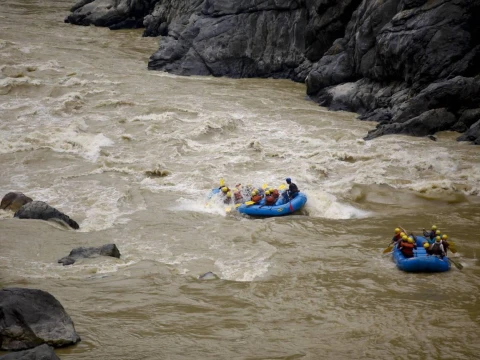
The Kathmandu to Trishuli River Rafting tour is a thrilling and scenic adventure that combines white water rafting with a peaceful riverside retreat. The journey begins with a 3 to 4-hour drive from Kathmandu to Trishuli Riverside Resort, Charaudi. The resort is located along the banks of the Trishuli River, which serves both as a launching point & a peaceful haven for rafting enthusiasts and nature lovers. The Trishuli River, known for its blend of exhilarating rapids (Class II-III) & calm stretches, ideal for both beginners and experienced rafters. The two-day weekend trip typically includes a welcome drink followed by a riverside dinner, where guests can relax in nature, participate in various activities such as campfire, swimming, barbeque, and enjoy sports like table tennis and badminton, and stay in comfortable tented accommodations overnight. The following day begins with a hearty breakfast, gathering for safety gear, and safety briefings by the professionals. Finally, participants embark on an exciting rafting trip, navigating through waves and enjoying the lush landscapes along the way. The rafting trip ends near Kurintar, where the river calms. The participants get back to the resort via a comfortable drive and unwind in cozy tents. The journey concludes with a savory lunch by the riverside and a comfortable ride back to Kathmandu. This two-day package offers the perfect blend of adrenaline rush and tranquility, making it a popular weekend getaway from Kathmandu. The key rapids on the Trishuli River include: Ladies Delight (Class III), a fun, narrow rapid early in the trip with fast-moving water, often serving as the first “test” for rafters to practice paddling coordination. Upset (Class III+) is one of the most challenging and thrilling rapids on the river, featuring powerful waves, sharp turns, and the chance of flipping if not navigated properly. Surprise (Class III), as the name suggests, comes unexpectedly and can jolt the raft with strong, turbulent flow, requiring quick paddling commands and team coordination. Monsoon (Class II-III), particularly noticeable during the high-water monsoon season (June-August), becomes more forceful and exciting. S-bend/S-curve (Class II-III), consists of a series of bends that require technical paddling and alertness. Pinball (Class III) is a rock-strewn section where rafts can bounce between obstacles, reminiscent of a pinball game, making it one of the most entertaining stretches for both rafters and guides. Between rapids, the Trishuli River rafting features long, calm sections that allow for relaxation and enjoyment of the surrounding green hills and terraced farms. Swimming or floating beside the raft is guided. Bird-watching is popular, with species like kingfishers, cormorants, and herons commonly seen. Taking photographs of cliffs, waterfalls, and remote villages is also encouraged. Scenic drive from Kathmandu to riverside resortOvernight stay with campfire, BBQ, and nature activitiesGuided rafting with safety equipment and trained professionalsMix of thrilling rapids and calm scenic stretchesSuitable for both beginners and experienced adventurersBest Season for Trishuli River Rafting TourThe Trishuli River Rafting Tour is available almost year-round, but the experience varies significantly depending on the season. The most popular and recommended times are spring (March to May) and autumn (September to November). During these months, the weather is stable, skies are clear, and the river conditions are ideal—offering a balanced mix of excitement and safety. The surrounding landscapes are especially beautiful during these seasons, with blooming greenery in spring and crisp mountain views in autumn.Monsoon season (June to August) brings higher water levels, making the rapids more intense and thrilling. While this period is favored by experienced rafters seeking adrenaline-pumping action, it may not be ideal for beginners due to stronger currents. Winter (December to February), on the other hand, features calmer waters and cooler temperatures. Although rafting is still possible, early mornings can be chilly, and water temperatures may be quite cold.Each season offers a unique perspective of the river and surrounding environment, making it possible to tailor the experience based on personal preferences—whether you seek adventure, scenery, or a relaxed getaway.Seasonal Breakdown:Spring (Mar–May): Warm weather, blooming nature, ideal rafting conditionsAutumn (Sep–Nov): Clear skies, stable water levels, best overall experienceMonsoon (Jun–Aug): High water, intense rapids, for experienced raftersWinter (Dec–Feb): Calm river, cooler climate, quieter experienceWhy Choose Trishuli River Rafting TourChoosing the Trishuli River Rafting Tour means opting for a well-rounded adventure that combines accessibility, excitement, and relaxation. Its proximity to Kathmandu makes it one of the most convenient rafting destinations in Nepal, perfect for short trips or weekend getaways. Unlike longer expeditions, this tour requires minimal travel time while still delivering a full rafting experience with scenic beauty and cultural immersion.Another key advantage is its versatility. Whether you are a first-time rafter, a corporate group, or a family seeking adventure, the Trishuli River offers a safe yet thrilling environment. With professional guides, quality equipment, and structured itineraries provided by Nepal Holidays Planner, participants can enjoy the journey with confidence and ease. The addition of riverside accommodation, campfire evenings, and local cuisine further enhances the overall experience.Ultimately, this tour stands out for its balance—it is not just about rafting but about experiencing Nepal’s natural charm in a short timeframe. From adrenaline-filled rapids to peaceful riverside moments, it delivers a complete package that appeals to a wide range of travelers.Reasons to Choose This Tour:Easy access from Kathmandu (short travel time)Ideal for beginners and mixed-experience groupsProfessional guides and safety-focused operationsA combination of adventure, relaxation, and cultural elementsGreat value for a short yet fulfilling getaway
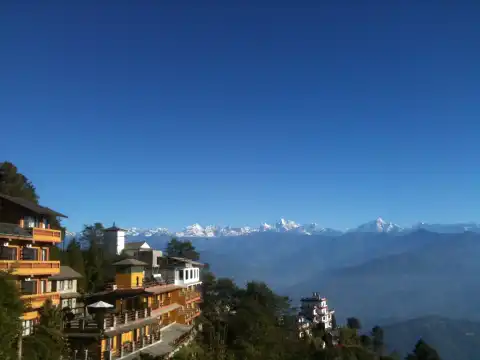
The Chisapani Nagarkot trek is a short and refreshing trekking experience near Kathmandu, ideal for those seeking scenic beauty, gentle hiking trails, and a taste of rural life in the Himalayas without venturing far away from the city. This trek offers stunning panoramic views of the Langtang, Ganesh Himal, and even the Everest ranges on clear days, along with beautiful sunrise and sunset views. Beginning from Sundarijal, just a short drive from Kathmandu, the trail passes through the lush forests of Shivapuri National Park, terraced farmlands, and traditional Tamang villages. The first overnight stop is at Chisapani, a quiet hilltop village known for its cool climate and peaceful environment. The journey then continues to Nagarkot, a popular hill station renowned for its breathtaking Himalayan views and sunrise over the mountains. This trek is perfect for families, beginner trekkers, or those with limited time, offering a wonderful blend of nature, culture, and mountain scenery in just a few days. The Chisapani Nagarkot Trek is a short yet incredibly rewarding journey that begins near Kathmandu and offers a refreshing escape into nature. Organized by Nepal Holidays Planner, this trek is ideal for travelers who want to experience the beauty of the Himalayas without committing to long or physically demanding expeditions. Starting from Sundarijal, the trail passes through the lush forests of Shivapuri Nagarjun National Park, where hikers encounter waterfalls, wildlife, and serene landscapes. The route gradually ascends to Chisapani, a peaceful settlement known for its cool climate and wide mountain views.As the trek continues, travelers walk along scenic ridgelines toward Nagarkot, a famous viewpoint offering breathtaking sunrise and sunset panoramas over the Himalayan ranges, including Langtang and Ganesh Himal. This trek combines natural beauty, cultural interaction, and manageable hiking distances, making it perfect for beginners, families, or those with limited time. The journey provides a balanced mix of forest trails, village life, and mountain scenery within just a few days.Short and easy trek suitable for beginnersPanoramic Himalayan views, including possible Everest sightingsWalk through forests, villages, and terraced fieldsCultural experience with local Tamang communitiesStunning sunrise and sunset from NagarkotBest Season for Chisapani Nagarkot TrekChoosing the right season is essential to fully enjoy the Chisapani Nagarkot Trek. The most favorable times are spring (March to May) and autumn (September to November), when the weather is stable, and the skies are generally clear. During spring, the forests inside Shivapuri Nagarjun National Park come alive with blooming rhododendrons and vibrant greenery, creating a colorful trekking experience. Temperatures are mild, making hiking comfortable and enjoyable.Autumn is considered the best season overall due to its crystal-clear mountain views and pleasant climate. This is when trekkers can witness the most spectacular panoramas of Langtang and Ganesh Himal, especially from Nagarkot. Winter (December to February) is also possible, offering peaceful trails and clear skies, though mornings can be cold. The monsoon season (June to August) brings heavy rainfall, making trails slippery and views less visible, so it is generally less recommended.Seasonal Tips:Spring: Blooming flowers and moderate weatherAutumn: Best mountain visibility and stable conditionsWinter: Quiet trails but colder temperaturesMonsoon: Lush greenery but limited views and muddy pathsWhy Choose Chisapani Nagarkot TrekThe Chisapani Nagarkot Trek stands out as one of the best short treks near Kathmandu because it offers a complete Himalayan experience in just a few days. With expert organization by Nepal Holidays Planner, travelers can enjoy a seamless journey that includes guided trekking, comfortable accommodations, and cultural experiences. The trek is designed for accessibility, meaning even those with limited trekking experience can participate and enjoy the adventure.Another major advantage is the diversity of experiences packed into a short itinerary. From walking through dense forests in Shivapuri Nagarjun National Park to interacting with locals in traditional villages and witnessing breathtaking Himalayan sunrises from Nagarkot, the trek offers something for everyone. It is also an excellent choice for families, solo travelers, and those looking to acclimatize before longer treks in Nepal.Reasons to Choose This Trek:Easy access from Kathmandu with a short travel timeIdeal for beginners and familiesA combination of nature, culture, and mountain viewsWell-organized itinerary with professional guidesPerfect introduction to trekking in Nepal
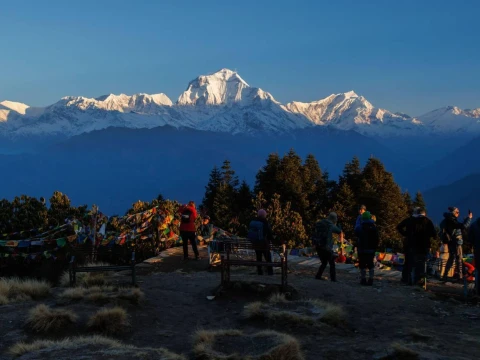
The Ghorepani Poonhill trek is one of the most captivating short treks in Nepal, perfect for trekkers of all ages and experience levels. Set in the stunning Annapurna Region, this scenic journey takes you through lush rhododendron forests, terraced farmlands, and traditional Gurung and Magar villages. The highlight of the trek is the early morning hike to Poonhill (3210m), a famous viewpoint that offers breathtaking panoramic views of the Annapurna and Dhaulagiri mountain ranges bathed in the golden light of sunrise. Along the way, trekkers are treated with warm hospitality in local lodges, cultural encounters with local communities, and ever-changing landscapes ranging from subtropical forests to alpine terrain. Starting from Nayapul, the trek typically passes through charming villages like Tikhedhunga, Ghorepani, and Ghandruk before looping back. With its moderate difficulty, natural beauty, and cultural richness, the Ghorepani Poonhill trek offers an unforgettable Himalayan experience in a relatively short time frame. The Ghorepani Poonhill Trek is one of Nepal’s most rewarding short trekking experiences, offering a perfect blend of natural beauty, cultural immersion, and accessible adventure. Designed for trekkers of all ages and fitness levels, this journey takes you deep into the Annapurna region without the need for extreme endurance or technical climbing skills. The trail winds through dense rhododendron forests, cascading waterfalls, terraced farmland, and traditional mountain villages inhabited by Gurung and Magar communities. Each day presents a new landscape, creating a dynamic and visually rich trekking experience that never feels repetitive.One of the defining highlights of this trek is the early morning ascent to Poonhill (3210m). As the sun rises, the Himalayan peaks—including Annapurna South, Dhaulagiri, Machhapuchhre, and Nilgiri—gradually illuminate in shades of gold and pink. This breathtaking panorama is often considered one of the finest sunrise viewpoints in Nepal. Beyond the scenery, the trek offers meaningful cultural encounters, where trekkers can observe traditional lifestyles, sample authentic local cuisine, and experience warm hospitality in cozy mountain lodges.Nepal Holidays Planner ensures a seamless and enriching journey by carefully organizing each aspect of the trek. From airport transfers and domestic flights to experienced guides and comfortable accommodations, every detail is handled professionally. Their commitment to personalized service allows trekkers to focus fully on enjoying the journey while feeling safe and supported throughout.Stunning sunrise view from PoonhillCultural experiences in Gurung and Magar villagesScenic forests, rivers, and terraced landscapesModerate difficulty suitable for beginnersWell-organized itinerary by Nepal Holidays PlannerBest Season for Ghorepani Poonhill TrekChoosing the right season significantly enhances the experience of the Ghorepani Poonhill Trek. The two most favorable trekking seasons are spring (March to May) and autumn (September to November). During spring, the trail comes alive with blooming rhododendron forests, creating vibrant shades of red, pink, and white across the hills. The weather is generally mild, with clear skies offering excellent mountain visibility, making it an ideal time for photography and nature lovers.Autumn, on the other hand, is widely regarded as the best overall season due to its stable weather and crystal-clear views of the Himalayas. After the monsoon rains, the air becomes fresh and dust-free, revealing sharp and uninterrupted mountain panoramas. The temperatures are comfortable for trekking, and the trails are lively with trekkers from around the world, creating a vibrant atmosphere.Winter (December to February) is also possible for trekking, especially for those seeking quieter trails and a peaceful experience. However, colder temperatures and occasional snowfall may make certain sections more challenging. The monsoon season (June to August) is generally less recommended due to heavy rainfall, slippery trails, and limited visibility, though it offers lush greenery and fewer crowds.Nepal Holidays Planner provides expert guidance on seasonal planning, helping trekkers choose the best time based on their preferences and travel goals. Their flexible itineraries ensure a safe and enjoyable experience regardless of the season.Seasonal Overview:Spring: Blooming rhododendrons, moderate weatherAutumn: Clear skies, best mountain viewsWinter: Quiet trails, colder temperaturesMonsoon: Lush landscapes but limited visibilityGhorepani Poonhill Trek Difficulty and TransportationThe Ghorepani Poonhill Trek is considered a moderate trek, making it suitable for beginners as well as experienced hikers looking for a short yet fulfilling adventure. While no technical climbing skills are required, trekkers should be prepared for daily walks of 4 to 6 hours on varied terrain. The most physically demanding section is the ascent to Ulleri, which involves climbing over 3,000 stone steps. Despite this challenge, the trek remains manageable with a steady pace and proper acclimatization.The early morning hike to Poonhill is another slightly demanding part, as it requires trekking uphill in the dark for about an hour. However, the reward of witnessing a breathtaking sunrise over the Himalayas makes the effort worthwhile. Overall, the trek’s gradual elevation gain and well-maintained trails ensure that it is achievable for individuals with average fitness levels.Transportation is a key component of the journey, and Nepal Holidays Planner ensures smooth logistics throughout. The adventure begins with a scenic domestic flight from Kathmandu to Pokhara, followed by a short drive to Nayapul, the starting point of the trek. After completing the trek, the return journey includes a drive back to Pokhara and a flight to Kathmandu, offering both convenience and stunning aerial views of the mountains.Difficulty & Transport Highlights:Moderate difficulty level suitable for beginnersDaily trekking duration: 4–6 hoursChallenging stone steps at UlleriScenic flight between Kathmandu and PokharaComfortable transfers arranged by Nepal Holidays PlannerFood and Accommodation for Ghorepani Poonhill TrekFood and accommodation during the Ghorepani Poonhill Trek are designed to provide comfort while maintaining an authentic mountain experience. Trekkers stay in local teahouses or lodges, which are simple yet cozy and welcoming. Rooms typically feature twin beds with basic bedding, and while facilities may be modest, they are clean and well-maintained. Dining areas often include a warm communal space where trekkers can relax, share stories, and enjoy meals together.The food served along the trail is nutritious and varied, catering to both local and international tastes. A typical meal includes Dal Bhat (rice, lentil soup, vegetables, and pickles), which is a staple for trekkers due to its energy-rich composition. Other options such as noodles, pasta, soups, pancakes, and eggs are also widely available. Breakfasts are hearty, ensuring trekkers have enough energy for the day’s hike.Nepal Holidays Planner carefully selects lodges that meet quality standards and ensures hygienic meal preparation throughout the trek. They also accommodate dietary preferences whenever possible, making the experience comfortable for all types of travelers.Food & Accommodation Highlights:Comfortable teahouse lodgingNutritious and diverse meal optionsTraditional Nepali cuisine availableWarm dining spaces for social interactionQuality assurance by Nepal Holidays PlannerGhorepani Poonhill Trek PermitsTo undertake the Ghorepani Poonhill Trek, trekkers are required to obtain specific permits that regulate entry into protected areas and support conservation efforts. The two main permits needed are the Annapurna Conservation Area Permit (ACAP) and the Trekkers’ Information Management System (TIMS) card. These permits help maintain the ecological balance of the region and ensure the safety of trekkers by keeping track of their movements.The permit process is straightforward, especially when organized through a reliable trekking company. Nepal Holidays Planner takes care of all necessary documentation, saving trekkers time and effort. Their team ensures that permits are arranged in advance, allowing travelers to focus entirely on enjoying the trek without administrative concerns.It is important to carry these permits at all times during the trek, as they are checked at various entry points along the trail. Proper documentation not only ensures compliance with local regulations but also contributes to sustainable tourism in the Annapurna region.Permit Requirements:Annapurna Conservation Area Permit (ACAP)TIMS (Trekkers’ Information Management System) cardMandatory checkpoints along the routeArranged easily by Nepal Holidays PlannerWhy Choose Ghorepani Poonhill TrekThe Ghorepani Poonhill Trek stands out as one of the best short treks in Nepal, offering a complete Himalayan experience within a limited timeframe. It combines breathtaking mountain views, diverse landscapes, and rich cultural encounters without requiring extensive trekking experience. This makes it an ideal choice for families, solo travelers, and those with limited time who still want to experience the beauty of the Himalayas.Another reason to choose this trek is its accessibility and well-developed infrastructure. The trails are clearly marked, lodges are readily available, and the overall journey is safe and manageable. The highlight sunrise from Poonhill alone is enough to make the trek unforgettable, but the added charm of local villages and warm hospitality enhances the experience even further.Nepal Holidays Planner elevates the journey by providing professional guides, personalized service, and seamless logistics. Their attention to detail ensures that every aspect of the trek—from arrival to departure—is handled efficiently. With their expertise, trekkers can enjoy a stress-free adventure while creating lasting memories in the heart of the Himalayas.Why Choose This Trek:Short yet highly rewarding Himalayan experienceSuitable for all age groups and fitness levelsSpectacular sunrise and mountain viewsRich cultural immersionExpert organization by Nepal Holidays Planner
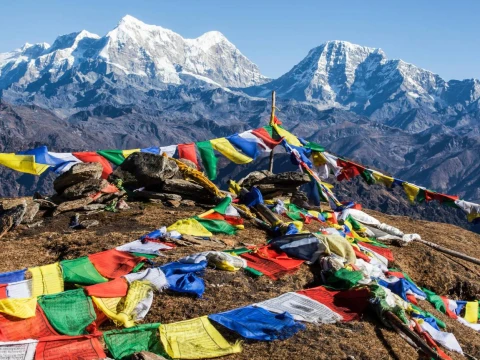
The Pikey Peak trek is a short yet enriching journey in the lower Everest region, offering stunning panoramic views of the Himalayas, including Mt. Everest, without the crowds of the popular routes. Ideal for those with limited time or looking for a less-traveled trail, this trek takes you through traditional Sherpa villages, lush rhododendron and pine forests, and open ridgelines with breathtaking scenery. The highlight of the trek is the sunrise hike to Pikey Peak (4065m), where you will be treated to a view of Kanchenjunga in the east. Along the way, you will experience authentic mountain culture, visit ancient monasteries, and stay in cozy teahouses in peaceful settlements like Jhapre and Junbesi. With its moderate difficulty, cultural richness, and unbeatable views, the Pikey Peak trek is a perfect short adventure for trekkers seeking both natural beauty and a deep cultural experience in the heart of the Solu region. The Pikey Peak Trek is one of the most rewarding short treks in the lower Everest (Solu) region, offering a spectacular Himalayan panorama without the crowds found on more popular Everest Base Camp routes. Organized professionally by Nepal Holidays Planner, this journey is designed for trekkers who want a balance of natural beauty, cultural immersion, and manageable trekking days within a limited timeframe. The trail gradually ascends through peaceful landscapes, making it suitable for beginners with reasonable fitness as well as experienced trekkers seeking a quieter alternative.One of the biggest highlights of this trek is the sunrise view from Pikey Peak (4,065m), widely praised by climbers and even mentioned as a favorite viewpoint by Sir Edmund Hillary. From the summit, you can witness an incredible Himalayan chain stretching from Dhaulagiri in the west to Kanchenjunga in the east, including Mt. Everest itself. Along the way, you pass through Sherpa settlements, Buddhist monasteries, prayer-flag-lined ridges, and rhododendron forests that create a deeply authentic Himalayan experience.Stunning sunrise view from Pikey Peak (4065m)Panoramic Himalayan range, including EverestAuthentic Sherpa culture and villagesLess crowded and peaceful trekking routeRhododendron forests and scenic ridgelinesOrganized support by Nepal Holidays PlannerWith Nepal Holidays Planner, trekkers receive full logistical support, experienced guides, and culturally enriched itineraries, ensuring a safe and memorable Himalayan adventure.Best Season for Pikey Peak TrekThe best time to undertake the Pikey Peak Trek is during the two main trekking seasons in Nepal: spring (March to May) and autumn (September to November). These periods are chosen by Nepal Holidays Planner for most of their itineraries due to stable weather conditions, clear mountain views, and comfortable trekking temperatures. During these months, the skies are generally crystal clear, allowing breathtaking visibility of Everest and the surrounding peaks.Spring is particularly beautiful because the trail is decorated with blooming rhododendrons, orchids, and lush greenery. Temperatures are moderate, making it ideal for long walking days. Autumn, on the other hand, offers the clearest mountain views after the monsoon rains, along with vibrant cultural festivals like Dashain and Tihar, giving trekkers an added cultural experience.Winter (December to February) is also possible for experienced trekkers, though cold temperatures and occasional snowfall can make conditions more challenging. Monsoon season (June to August) is generally avoided due to heavy rain, slippery trails, and limited mountain visibility.Seasonal highlights:Spring (Mar–May): Flowers, greenery, pleasant weatherAutumn (Sep–Nov): Best visibility, festivals, stable weatherWinter (Dec–Feb): Cold but quiet trailsMonsoon (Jun–Aug): Not recommended due to rainChoosing the right season with guidance from Nepal Holidays Planner ensures the best trekking experience with optimal views and safe trail conditions.Pikey Peak Trek Difficulty and TransportationThe Pikey Peak Trek is considered a moderate-level trek, making it suitable for beginners with good physical fitness and experienced trekkers looking for a relaxed Himalayan journey. The daily walking duration typically ranges from 4 to 7 hours, with gradual ascents and descents. While no technical climbing skills are required, trekkers should be prepared for long uphill walks, high-altitude conditions, and basic teahouse facilities.Altitude is manageable compared to higher Everest region treks, with the highest point being Pikey Peak at 4,065m. However, proper acclimatization and a steady pace are important to avoid altitude sickness. Nepal Holidays Planner ensures well-planned itineraries, experienced guides, and safety support throughout the journey.Transportation is an important part of this trek. The journey begins with a long scenic drive from Kathmandu to Dhap, followed by trekking through remote villages. At the end of the trek, travelers return from Junbesi to Kathmandu by road, which can take 9–10 hours depending on road conditions.Difficulty and transport summary:Moderate trekking level (no technical climbing)4–7 hours walking per dayMaximum altitude: 4,065mRequires basic fitness and staminaKathmandu–Dhap: scenic long driveJunbesi–Kathmandu: road return journeyWith proper planning from Nepal Holidays Planner, the trek becomes a safe, enjoyable, and well-supported Himalayan adventure.Food and Accommodation for Pikey Peak TrekAccommodation along the Pikey Peak Trek consists mainly of local teahouses and small mountain lodges, offering basic but comfortable facilities. Rooms are typically twin-sharing with simple beds, blankets, and shared bathrooms. While luxury is not expected in this remote region, the warm hospitality of Sherpa families makes the stay highly memorable. Nepal Holidays Planner carefully selects clean and reliable lodges to ensure trekkers’ comfort and safety.Food during the trek is freshly prepared in teahouses and includes a mix of Nepali and simple international dishes. The most common meal is Dal Bhat (rice, lentils, vegetables, and pickles), which is nutritious and provides long-lasting energy for trekking. Other available options include noodles, soups, pasta, fried rice, pancakes, eggs, and seasonal vegetables. Hot drinks such as tea, coffee, and ginger lemon honey are widely available.Meals are generally included in trekking packages (breakfast, lunch, and dinner), ensuring trekkers receive proper nutrition throughout the journey.Accommodation & food highlights:Basic teahouse lodging (clean and simple)Twin-sharing rooms with shared bathroomsWarm Sherpa hospitality in villagesFreshly cooked local and international mealsStaple food: Dal Bhat (energy-rich diet)Hot drinks available in all stopsWith Nepal Holidays Planner, trekkers enjoy safe food arrangements, hygienic lodging choices, and full meal coordination throughout the trek.Pikey Peak Trek PermitsTo undertake the Pikey Peak Trek, trekkers require specific trekking permits, which are managed smoothly by Nepal Holidays Planner as part of the package services. Since the route lies in the lower Everest (Solu) region, the primary permit required is the Gaurishankar Conservation Area Permit (GCAP). In some cases, additional local permits may be required depending on the exact route and entry points.These permits are essential for conservation efforts, environmental protection, and maintaining trekking safety in the region. All permits are checked at designated entry points along the trail, so carrying valid documentation is mandatory.When booking through Nepal Holidays Planner, all permit arrangements are handled in advance, removing any administrative stress for trekkers. Travelers only need to provide passport details and necessary identification, while the company manages paperwork and official fees.Permit essentials:Gaurishankar Conservation Area Permit (GCAP) requiredPossible local area permits depending on the routePassport copy and photos neededChecked at trail entry pointsArranged fully by Nepal Holidays PlannerThis hassle-free permit system ensures trekkers can focus entirely on enjoying the journey rather than worrying about documentation.Why Choose Pikey Peak Trek with Nepal Holidays PlannerChoosing the Pikey Peak Trek with Nepal Holidays Planner ensures a well-organized, safe, and culturally enriching Himalayan experience. Unlike crowded trekking routes, this journey offers peace, authenticity, and breathtaking views while being managed by experienced local professionals who understand the terrain, culture, and weather conditions deeply.This trek is ideal for those who want a short Himalayan adventure without compromising on scenery or cultural depth. From sunrise over Everest to walking through traditional Sherpa villages, every day offers something unique. The company provides experienced guides, reliable logistics, and personalized care, ensuring a smooth trekking experience from arrival to departure.Why choose this trek:Less crowded and peaceful trekking routePanoramic Everest and Himalayan viewsAuthentic Sherpa culture experienceModerate difficulty suitable for most trekkersFull support by the Nepal Holidays Planner teamWell-planned itinerary with a safety focusWith Nepal Holidays Planner, trekkers are not just booking a trek—they are experiencing a carefully crafted Himalayan journey that combines natural beauty, cultural immersion, and professional support, making the Pikey Peak Trek truly unforgettable.
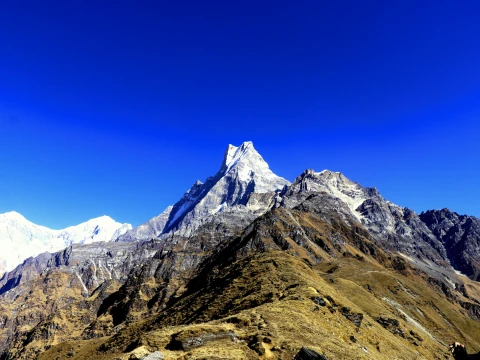
The Mardi Himal Trek is a hidden gem in the Annapurna region, offering a peaceful and off-the-beaten-path adventure with spectacular Himalayan views in a short time frame. This relatively new trekking route takes you through enchanting rhododendron and oak forests, charming hilltop villages, and rugged ridgelines leading up to Mardi Himal Base Camp, which sits at an altitude of around 4500m. Throughout the journey, trekkers are rewarded with breathtaking vistas of Machhapuchhre (Fishtail), Annapurna South, and Hiuchuli. The trail is less crowded compared to other popular treks, making it ideal for those seeking solitude and raw natural beauty. Starting from Dhampus near Pokhara, the route typically passes through Forest Camp, Low Camp, and High Camp, with each stop offering cosy teahouses and stunning scenery. Thus, the Mardi Himal trek is perfect for trekkers with limited time who want to experience dramatic landscapes, diverse ecosystems, and panoramic mountain views within a few days.The Mardi Himal Trek is a spectacular short trekking route in the Annapurna region of Nepal, organised professionally by Nepal Holidays Planner for travellers seeking a less crowded Himalayan experience. It is considered one of the best “hidden gem” treks because it combines pristine natural beauty, close-up mountain views, and peaceful trails without heavy tourist traffic. The route climbs gradually from lush lowlands near Pokhara into dense forests, alpine ridges, and finally reaches the high viewpoint close to Mardi Himal Base Camp at around 4500 meters.Unlike many classic Annapurna trails, this trek offers a more intimate connection with nature. You walk through rhododendron forests, moss-covered trees, and narrow ridgelines where the scenery changes dramatically each day. The highlight is the stunning panoramic view of Machhapuchhre (Fishtail), Annapurna South, Hiuchuli, and Mardi Himal itself, appearing closer as you ascend. The trek is relatively short but highly rewarding, making it ideal for trekkers with limited time.Quiet and less crowded alternative in the Annapurna regionClose-up Himalayan views from ridge trailsRich biodiversity: rhododendron, oak, and alpine forestsCultural encounters in Gurung villagesGradual ascent suitable for fit beginners and intermediatesWith Nepal Holidays Planner, trekkers receive well-managed logistics, experienced guides, and carefully planned itineraries that ensure safety, comfort, and an immersive Himalayan experience.Best Season for Mardi Himal TrekThe best time to undertake the Mardi Himal Trek is during spring (March to May) and autumn (September to November), when the weather is most stable, and the mountain views are at their clearest. These seasons are carefully recommended by Nepal Holidays Planner because they provide ideal trekking conditions with comfortable temperatures and vibrant natural scenery.In spring, the forests come alive with blooming rhododendrons, making the trails colourful and visually stunning. The temperatures are moderate, and visibility is generally excellent, allowing trekkers to enjoy uninterrupted views of the Annapurna range. Autumn, on the other hand, offers crystal-clear skies after the monsoon, making it the most popular trekking season in Nepal.Winter (December to February) is also possible for experienced trekkers, but higher elevations may experience heavy snowfall and cold temperatures. Monsoon season (June to August) is generally avoided due to slippery trails, leeches, and limited visibility.Seasonal highlights:Spring: Rhododendron blooms, warm weather, clear viewsAutumn: Best visibility, stable weather, festive atmosphereWinter: Snow landscapes, fewer trekkers, colder conditionsMonsoon: Lush greenery, but wet and risky trailsChoosing the right season ensures a safer and more enjoyable trekking experience, and Nepal Holidays Planner helps clients select optimal travel dates based on weather forecasts and personal preferences.Mardi Himal Trek Difficulty and TransportationThe Mardi Himal Trek is classified as a moderate-level trek, making it suitable for beginners with reasonable fitness and experienced trekkers looking for a short Himalayan adventure. The trails involve steady ascents, ridge walking, and long descents, especially on the return journey to Siding village. While no technical climbing skills are required, good stamina and endurance are important due to daily walking hours of 5–7 hours on average.The highest point of the trek is around 4200–4500 meters, where altitude can slightly affect some trekkers. Proper acclimatisation, hydration, and a gradual pace are essential for a comfortable journey. Nepal Holidays Planner ensures that itineraries are well-balanced to reduce altitude risks and maximise enjoyment.Transportation for the trek is well-organised and includes a combination of flights, private vehicles, and trekking routes:Domestic flight from Kathmandu to Pokhara (or vice versa)Jeep/vehicle transfer from Pokhara to trekking starting pointsWalking trails through forest camps and villagesReturn drive from Siding to PokharaKey difficulty factors:Continuous uphill climbs in the early daysHigh-altitude ridge walking near High CampLong descent on the final trekking dayWeather changes at higher elevationsWith proper guidance, most trekkers complete the route successfully. Nepal Holidays Planner provides experienced guides, safety support, and flexible pacing to ensure a smooth trekking experience.Food and Accommodation for Mardi Himal TrekFood and accommodation during the Mardi Himal Trek are simple but comfortable, offering an authentic Himalayan teahouse experience. Throughout the journey, Nepal Holidays Planner arranges clean and reliable lodges where trekkers can rest, enjoy warm meals, and experience local hospitality. The accommodations typically include basic twin-sharing rooms with shared bathrooms, especially at higher altitudes like High Camp.Meals are freshly prepared in local teahouses and usually include a mix of Nepali and international dishes. The most common and recommended meal is “Dal Bhat,” which provides balanced nutrition and unlimited refills. Other options include noodles, pasta, soups, pancakes, eggs, and fried rice.Typical food options:Dal Bhat (rice, lentils, vegetables, pickles)Tibetan bread and chapatiVegetable noodles and soupsEggs, potatoes, and pancakesTea, coffee, and hot lemon drinksAccommodation becomes more basic as altitude increases, but the warmth of local hospitality makes up for the simplicity. Rooms may not have heating, so warm sleeping bags are recommended. Electricity and Wi-Fi are limited in higher regions.Key features of accommodation:Teahouse lodges run by local familiesBasic but clean roomsShared dining halls for meals and social interactionWarm hospitality and cultural exchangeWith Nepal Holidays Planner, trekkers are ensured safe lodging arrangements, hygienic food options, and reliable support throughout the journey.Mardi Himal Trek PermitsTo undertake the Mardi Himal Trek, trekkers are required to obtain official permits issued by the Government of Nepal. These permits are essential for entering conservation areas and ensuring environmental protection of the Annapurna region. Nepal Holidays Planner handles all permit arrangements on behalf of trekkers, making the process smooth and hassle-free.Two main permits are required for this trek:Annapurna Conservation Area Permit (ACAP)Trekkers’ Information Management System (TIMS) CardThe ACAP permit is used for conservation and maintenance of the Annapurna region, while the TIMS card helps maintain safety records of trekkers in the area. These permits are checked at various checkpoints along the trail.Permit requirements include:Valid passport copyPassport-sized photosTrekking itinerary detailsPermit fees (vary by nationality)Without these permits, entry into the trekking route is not allowed, so proper documentation is mandatory. Independent trekkers may need to arrange these in Kathmandu or Pokhara, but with Nepal Holidays Planner, all paperwork is managed in advance.Key advantages of organised permit handling:No administrative stress for trekkersFast and legal entry into conservation areasProper registration for safety monitoringExpert assistance from the trekking agencyThis ensures a smooth start to the journey without delays or confusion at checkpoints.Why Choose Mardi Himal Trek (with Nepal Holidays Planner)The Mardi Himal Trek is an ideal choice for travellers seeking a short yet rewarding Himalayan experience. It combines stunning mountain scenery, peaceful trails, and cultural encounters in a compact itinerary, making it perfect for those with limited time in Nepal. Organised by Nepal Holidays Planner, the trek ensures a safe, well-structured, and enriching adventure from start to finish.One of the biggest reasons to choose this trek is its balance between accessibility and wilderness. Unlike more commercial routes, Mardi Himal remains relatively untouched, allowing trekkers to enjoy solitude and natural beauty without heavy crowds. The dramatic ridge walk leading to Mardi Himal View Point is one of the most scenic experiences in the Annapurna region.Top reasons to choose this trek:Short duration with high Himalayan rewardsLess crowded and peaceful trekking routeClose-up views of Annapurna and MachhapuchhreSuitable for beginners with moderate fitnessRich cultural experience in Gurung villagesWell-managed itinerary by Nepal Holidays PlannerAdditionally, the trek is flexible and can be combined with sightseeing in Pokhara or extended to other Annapurna routes. With professional guidance, proper logistics, and personalised care from Nepal Holidays Planner, trekkers can fully enjoy the journey without worrying about permits, accommodation, or safety.Ultimately, the Mardi Himal Trek is not just a trek—it is a complete Himalayan experience that blends nature, culture, and adventure in one unforgettable journey.
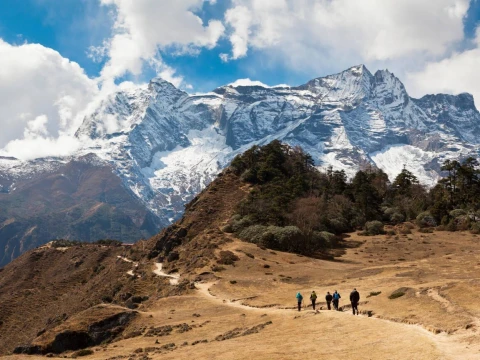
The Everest View Trek is a perfect short adventure into the heart of the Khumbu region, offering breathtaking panoramas of the world’s highest peaks, including Mt. Everest, Ama Dablam, and Lhotse. Designed for those who want to experience the beauty of the Himalayas without undertaking a long and strenuous expedition, this five-day trek journey combines scenic mountain trails with rich Sherpa culture. The trek usually begins with a thrilling flight from Kathmandu to Lukla, followed by a gentle ascent through picturesque villages like Phakding and Namche Bazaar, the vibrant Sherpa capital. The highlight is to hike to the Everest View Hotel, one of the high-altitude luxury hotels in the world, which offers a stunning vantage point of Mount Everest and surrounding peaks. Along the way, trekkers enjoy the warm hospitality of local lodges, explore monasteries, and soak in the tranquillity of the Himalayan landscape. This short trek is ideal for families, beginner trekkers, and those with limited time but a deep desire to witness Everest up close. The Everest View Trek is one of the most rewarding short trekking experiences in Nepal, designed to showcase the grandeur of the Himalayas without requiring weeks of high-altitude expedition. Organised by Nepal Holidays Planner, this journey is ideal for travellers who want a comfortable yet immersive introduction to the Everest region. The trek takes you deep into the Khumbu Valley, where you experience dramatic mountain scenery, ancient Sherpa culture, and iconic viewpoints of Mount Everest, Ama Dablam, Lhotse, and Thamserku.The adventure begins with a scenic flight from Kathmandu to Lukla, followed by gradual trekking through picturesque villages such as Phakding and Namche Bazaar. Namche, known as the gateway to Everest, offers vibrant local markets, bakeries, museums, and breathtaking amphitheatre-style mountain views. One of the highlights is the hike to the Everest View Hotel (3880m), one of the highest luxury hotels in the world, where trekkers witness panoramic Himalayan vistas in comfort.This trek is carefully designed for beginners, families, and those with limited time. It balances adventure and accessibility while ensuring proper acclimatisation. With the support of experienced guides from Nepal Holidays Planner, trekkers enjoy a safe, culturally rich, and visually unforgettable Himalayan journey.Scenic flight to Lukla, the world’s most thrilling airportViews of Everest, Ama Dablam, Lhotse, and moreCultural immersion in Sherpa villagesEasy-to-moderate trekking routeVisit to the Everest View Hotel viewpointBest Season for Everest View TrekThe best time to undertake the Everest View Trek is during the spring (March to May) and autumn (September to November) seasons. These months provide the clearest mountain visibility, stable weather conditions, and the most enjoyable trekking experience. Organised by Nepal Holidays Planner, treks during these periods ensure optimal safety and breathtaking Himalayan views.During spring, the trails are beautifully decorated with blooming rhododendrons and lush greenery. Temperatures are moderate, making it comfortable to trek during both low and high altitudes. Wildlife sightings are also more common, and the overall atmosphere in the Khumbu region is vibrant and lively. Autumn, on the other hand, is known for crystal-clear skies, dry weather, and excellent mountain photography conditions after the monsoon season cleanses the atmosphere.Winter (December to February) is possible but colder, especially at higher elevations like Namche Bazaar. Monsoon season (June to August) is generally avoided due to slippery trails, flight delays, and limited visibility of the mountains.Choosing the right season ensures that trekkers get the full value of the Himalayan landscapes and cultural encounters. Nepal Holidays Planner always recommends spring and autumn departures for the most rewarding experience.Best season highlights:Spring (Mar–May): Flowers, greenery, pleasant weatherAutumn (Sep–Nov): Clear skies, best mountain viewsWinter: Cold but quiet trailsMonsoon: Not recommended due to rain and cloudsEverest View Trek Difficulty and TransportationThe Everest View Trek is considered an easy-to-moderate-level trek, making it one of the most accessible Himalayan experiences. Unlike longer Everest Base Camp expeditions, this trek does not require technical climbing skills or extreme physical fitness, although a basic level of endurance is important. The highest point reached is around 3880m at the Everest View Hotel, which significantly reduces the risk of severe altitude sickness.Trekkers walk approximately 4–7 hours per day on well-established trails that include both uphill and downhill sections. The most challenging part is the ascent from Phakding to Namche Bazaar, where altitude gain becomes noticeable. However, with proper pacing and guidance from Nepal Holidays Planner, most travellers complete the trek comfortably.Transportation is an exciting part of the journey. The adventure begins with a short domestic flight from Kathmandu to Lukla, one of the most scenic and thrilling air routes in the world. From Lukla, all trekking is done on foot, following traditional Himalayan paths through villages, suspension bridges, and forested landscapes. Return flights also operate from Lukla back to Kathmandu.Key difficulty & transport points:Easy to moderate trekking level3–7 hours walking per dayNo technical climbing requiredLukla mountain flight both waysGradual altitude gain for safetyFood and Accommodation for Everest View TrekFood and accommodation during the Everest View Trek are comfortable, hygienic, and designed to support trekkers in high-altitude conditions. Nepal Holidays Planner ensures that all lodges and meals meet safety and quality standards, providing a pleasant trekking experience in remote mountain regions.Accommodation is primarily in locally run teahouses and mountain lodges. Rooms are simple but clean, usually offering twin beds, warm blankets, and shared bathroom facilities. In major stops like Namche Bazaar, trekkers may also find more comfortable lodges with attached bathrooms, bakeries, and Wi-Fi services. These lodges provide a cosy environment where trekkers can relax after long walking hours.Meals are freshly prepared and typically include a mix of Nepali, Tibetan, and basic international dishes. The most common and recommended meal is Dal Bhat, a nutritious combination of rice, lentil soup, vegetables, and pickles, offering high energy for trekking days. Other popular options include noodles, soups, fried rice, pasta, pancakes, and eggs.Food & accommodation highlights:Comfortable teahouse lodging throughout the trekWarm blankets and basic facilities are providedHygienic, freshly cooked meals dailyLocal Nepali and international menu optionsDal Bhat for energy and nutritionEverest View Trek PermitsTo undertake the Everest View Trek, several official permits are required to ensure safety, conservation, and regulated access to the Everest region. These permits are arranged in advance by Nepal Holidays Planner, allowing trekkers to focus entirely on their journey without administrative stress.The primary permit is the Sagarmatha National Park Entry Permit, which grants access to the UNESCO World Heritage-listed park that protects the Everest region’s natural and cultural heritage. In addition, trekkers need the Khumbu Pasang Lhamu Rural Municipality Permit, which supports local community development and infrastructure in the region.These permits are checked at entry points such as Monjo and other checkpoints along the trail. All documentation is handled by licensed trekking agencies like Nepal Holidays Planner, ensuring compliance with Nepal government regulations.Permit requirements:Sagarmatha National Park Entry PermitKhumbu Pasang Lhamu Rural Municipality PermitA passport copy is required for registrationManaged fully by the trekking agencyMandatory for all foreign trekkersWhy Choose Everest View TrekThe Everest View Trek is the perfect choice for travellers who want to experience the magic of the Himalayas in a short time frame without committing to a long and physically demanding expedition. Designed by Nepal Holidays Planner, it combines natural beauty, cultural immersion, and comfort into a compact and well-organised itinerary.This trek is especially suitable for beginners, families, and busy travellers. It offers iconic views of Mount Everest and surrounding peaks while also providing deep insights into Sherpa culture, monasteries, and mountain lifestyle. The highlight visit to Everest View Hotel ensures that trekkers enjoy world-class scenery with minimal physical strain.Safety, comfort, and personalised service are key priorities of Nepal Holidays Planner, making the experience smooth from arrival to departure. Experienced guides, well-managed logistics, and carefully selected lodges ensure a stress-free adventure in the Himalayas.Why choose this trek:Short and beginner-friendly Everest experienceStunning Himalayan mountain viewsCultural exposure to Sherpa traditionsSafe and well-organised itineraryManaged by an experienced team of Nepal Holidays Planners
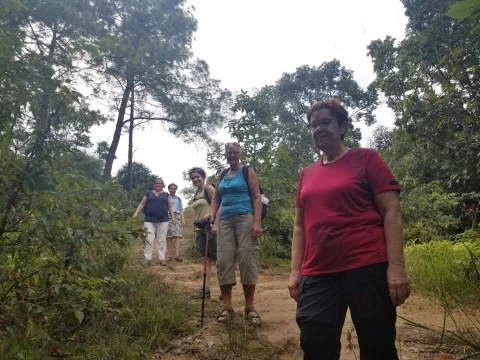
Kathmandu Valley, nestled among verdant hills and dotted with ancient temples, offers some of the most rewarding short hiking experiences in Nepal. These hikes are perfect for travelers seeking a taste of nature, culture, and the Himalayan scenery without the demands of a long trek. With routes ranging from half-day forest walks to full-day ridge hikes, Kathmandu’s surroundings provide a perfect blend of rural charm, sacred heritage sites, and panoramic mountain views. The short hikes around the valley lead you through peaceful trails passing terraced farmlands, pine forests, and traditional Newari villages. You can explore UNESCO World Heritage Sites like Changu Narayan, discover Buddhist monasteries such as Namo Buddha, or ascend to viewpoints like Nagarkot, Shivapuri, and Champadevi to glimpse the distant snow-capped peaks of the Langtang, Ganesh Himal, and even Everest on a clear day. Whether you are a casual walker, a spiritual seeker, or a nature enthusiast, these accessible trails offer a rejuvenating escape from the bustling city. Ideal for day trips or weekend getaways, short hikes around Kathmandu Valley are a must for anyone wanting to experience Nepal’s natural beauty and cultural richness in a compact yet memorable journey.
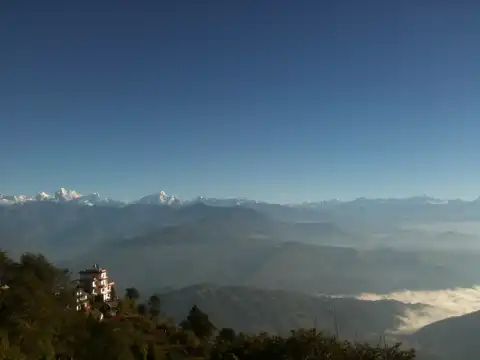
The Nagarkot Hike via Changu Narayan is one of the most popular and accessible day hikes near Kathmandu, offering a perfect blend of cultural exploration, scenic countryside, and panoramic Himalayan views. The journey begins with a visit to the ancient Changu Narayan Temple, a UNESCO World Heritage Site and one of the oldest surviving temples in Nepal, dedicated to Lord Vishnu. From here, the trail winds through charming villages, terraced fields, and pine forests, providing a glimpse into the rural lifestyle and natural beauty of the Kathmandu Valley. The hike steadily ascends to Nagarkot, a renowned hill station at 2175 m, famous for its sweeping views of the Himalayas, including Langtang, Ganesh Himal, and even Mt. Everest on a clear day. This moderate trek, taking about 4 to 6 hours, is ideal for beginners, families, or anyone seeking a refreshing escape from the city. Whether completed as a day hike or with an overnight stay to watch the magical sunrise, this hike offers a rich and rewarding experience in a short time. Optional Add-ons:Overnight stay in Nagarkot: Catch the breathtaking sunrise over the Himalayas the next morning.Extend to Dhulikhel or Namo Buddha: For a multi-day hiking experience.The Nagarkot Hike via Changu Narayan is one of the most rewarding short trekking experiences near Kathmandu, combining cultural heritage, rural landscapes, and Himalayan panoramas in a single journey. The adventure begins at the sacred Changu Narayan Temple, a UNESCO World Heritage Site dedicated to Lord Vishnu and considered one of the oldest temples in Nepal. From here, the trail gradually ascends through peaceful countryside paths, terraced farmlands, and traditional settlements, offering an authentic glimpse into local life away from the city’s hustle.As the hike progresses toward Telkot and further uphill, the environment shifts into cooler pine forests and ridge trails with expanding views of the Kathmandu Valley below. The route is moderately easy, making it suitable for beginners, families, and travelers seeking a day hike without technical difficulty. The final destination, Nagarkot, sits at around 2,175 meters and is famous for its wide Himalayan panorama, including views of Langtang, Ganesh Himal, and, on exceptionally clear days, even Mount Everest.This hike typically takes 4–6 hours, depending on pace and stops, and can be enjoyed as a day trip or extended overnight for sunrise views. It is operated and organized professionally by Nepal Holidays Planner, ensuring smooth logistics, experienced guidance, and a well-paced itinerary.UNESCO-listed Changu Narayan Temple visitScenic village and forest trekking routeHimalayan mountain views from NagarkotEasy to moderate hiking difficultyCultural + natural experience in one dayBest Season for Nagarkot Hike via Changu NarayanThe best time to enjoy the Nagarkot Hike via Changu Narayan is during Nepal’s clear-weather seasons when mountain visibility is at its peak. The most favorable months are autumn (September to November) and spring (March to May). During these periods, the skies are generally clear, temperatures are pleasant, and the trails are at their most vibrant with blooming flowers or golden post-monsoon landscapes.Autumn offers the clearest Himalayan views after the monsoon washes away dust and haze, making it the most popular season for photographers and trekkers. Spring, on the other hand, brings lush greenery, blooming rhododendrons, and mild temperatures, making the hike especially scenic and comfortable. Winter (December to February) is also a good option for those who prefer quieter trails and crisp mountain air, though mornings can be cold. Monsoon season (June to August) is less ideal due to slippery trails and cloud-covered mountain views.By choosing the right season, travelers can maximize their experience of both cultural exploration and Himalayan scenery. Nepal Holidays Planner recommends planning sunrise or early morning hikes during these seasons for the best lighting and visibility.Best season highlights:Autumn (Sep–Nov): clearest mountain viewsSpring (Mar–May): flowers, greenery, mild weatherWinter (Dec–Feb): quiet trails, crisp airMonsoon (Jun–Aug): lush but less visibilityBest time of day: early morning for sunrise viewsWhy Choose Nagarkot Hike via Changu NarayanChoosing the Nagarkot Hike via Changu Narayan is ideal for travelers who want a short yet enriching Himalayan experience without committing to long trekking routes. It uniquely combines cultural heritage, nature, and mountain scenery within a single day. Starting from the ancient Changu Narayan Temple and ending at Nagarkot, the trail offers a gradual transition from spiritual history to natural beauty and finally to breathtaking Himalayan panoramas.Another strong reason to choose this hike is its accessibility. Located just a short drive from Kathmandu, it is perfect for travelers with limited time who still want a meaningful outdoor adventure. The route is non-technical, safe, and flexible, making it suitable for beginners, families, solo travelers, and photography enthusiasts. With professional organization by Nepal Holidays Planner, the journey is smooth, well-paced, and customizable based on fitness level and interest.The hike also provides a rare opportunity to experience authentic rural Nepal—passing through terraced fields, interacting with local communities, and enjoying peaceful forest trails before reaching one of the best viewpoints in the Kathmandu Valley.Why choose this hike:Combines culture, nature, and Himalayan viewsEasy access from KathmanduBeginner-friendly trekking routePerfect for short travel itinerariesProfessional guidance by Nepal Holidays PlannerOptional sunrise or overnight extension in Nagarkot
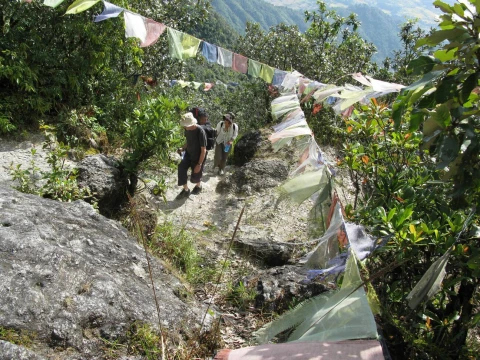
The Shivapuri Hike via Budhanilkantha is a rewarding day hike that combines spiritual heritage, rich biodiversity, and Scenic Mountain views on the outskirts of Kathmandu. The journey begins at Budhanilkantha, home to the iconic reclining statue of Lord Vishnu resting on a bed of serpents, a sacred site revered by Hindu devotees. The trail then enters Shivapuri Nagarjun National Park, a protected forest area teeming with diverse flora and fauna. The hike steadily ascends through dense rhododendron and oak forests, passing by the peaceful Nagi Gompa, a Buddhist nunnery that offers a tranquil spot to rest and take in the valley views. As you climb higher, the path offers increasing glimpses of the Himalayas, and on clear days, hikers are rewarded with stunning vistas of Langtang, Ganesh Himal, and Manaslu ranges from the Shivapuri Peak (2732m). The hike, which takes around 6 to 7 hours round trip, offers a peaceful escape from city life and a perfect blend of nature, spirituality, and mountain scenery. Ideal for moderately fit hikers and nature lovers, this trail provides an immersive experience of the natural and cultural beauty of Kathmandu Valley. The Shivapuri Hike via Budhanilkantha is one of the most rewarding day hiking experiences around Kathmandu, offering a balanced mix of nature, culture, spirituality, and Himalayan scenery. Organized professionally by Nepal Holidays Planner, this full-day adventure begins at the sacred Budhanilkantha Temple, where visitors can witness the iconic reclining statue of Lord Vishnu resting peacefully on a bed of serpents. This spiritual introduction sets a calm and meaningful tone before entering the wilderness of the hills.From Budhanilkantha, the trail leads into the protected forest zone of Shivapuri Nagarjun National Park. After completing the park registration, hikers gradually ascend through dense oak, pine, and rhododendron forests. The atmosphere becomes noticeably cooler and quieter as city noise fades away, replaced by birdsong, rustling leaves, and occasional sightings of monkeys and butterflies. The trail is well-defined but steadily uphill, making it moderately challenging yet highly rewarding for nature lovers.Midway, the route reaches Nagi Gompa, a peaceful Buddhist nunnery nestled in the forest. This is an ideal resting point where hikers can enjoy mountain views over the Kathmandu Valley while experiencing the calm spiritual ambiance created by resident nuns. From here, the journey continues toward Shivapuri Peak (2732m), where the forest opens into clearer ridges. On a clear day, breathtaking views of Langtang, Ganesh Himal, and Manaslu ranges unfold, making the effort of the climb truly worthwhile.This hike typically takes 6–7 hours round-trip and is perfect for those seeking a short yet immersive Himalayan experience close to Kathmandu.Sacred visit to Budhanilkantha TempleEntry into Shivapuri Nagarjun National ParkForest trekking through rich biodiversityPeaceful stop at Nagi GompaHimalayan views from Shivapuri PeakBest Season for Shivapuri Hike via BudhanilkanthaThe best time to experience the Shivapuri Hike via Budhanilkantha is during the autumn (September–November) and spring (March–May) seasons. These periods offer the most stable weather conditions, clear skies, and excellent visibility of the Himalayan ranges. Organized by Nepal Holidays Planner, this trek becomes especially scenic during these months, as nature is at its most vibrant and welcoming.In autumn, post-monsoon clarity reveals sharp mountain views from Shivapuri Peak, while the forests inside Shivapuri Nagarjun National Park are lush and fresh. The weather remains cool but comfortable, making uphill walking pleasant. Similarly, spring brings blooming rhododendrons and wildflowers, adding vibrant colors to the forest trails. This season also enhances the beauty of stops like Nagi Gompa, where misty mornings and blooming surroundings create a peaceful atmosphere.Winter (December–February) is also possible for hiking, though temperatures can be cold, especially at higher elevations. The trails remain less crowded, offering a quieter experience. However, visibility may sometimes be affected by haze. Monsoon season (June–August) is generally less recommended due to slippery trails, leeches, and cloud cover that can block mountain views.Choosing the right season significantly enhances the overall experience, especially for those aiming to enjoy panoramic Himalayan scenery and comfortable trekking conditions. With proper timing and guidance from Nepal Holidays Planner, hikers can enjoy a safe and memorable journey through this beautiful national park trail.Best Season Highlights:Autumn: Clear mountain views & stable weatherSpring: Rhododendron blooms & lush forestsWinter: Quiet trails but colder conditionsMonsoon: Not recommended due to rain & slippery pathsWhy Choose Shivapuri Hike via BudhanilkanthaChoosing the Shivapuri Hike via Budhanilkantha with Nepal Holidays Planner is an excellent option for travelers who want a short yet fulfilling escape into nature without traveling far from Kathmandu. This hike uniquely combines spiritual heritage, dense forest trekking, and Himalayan viewpoints in a single day, making it ideal for both beginners and experienced hikers.One of the biggest advantages of this trek is its accessibility. Starting from Budhanilkantha Temple, hikers quickly transition from a sacred cultural site into the wild landscapes of Shivapuri Nagarjun National Park. The well-maintained trails allow for a safe and guided ascent through rich biodiversity zones filled with birds, monkeys, and native flora. The presence of resting points like Nagi Gompa adds a spiritual and cultural dimension to the hike, making it more than just a physical journey.Another key reason to choose this hike is the rewarding summit experience at Shivapuri Peak. From here, trekkers can enjoy sweeping views of the Himalayan ranges, including Langtang, Ganesh Himal, and Manaslu. The combination of forest trails and mountain panoramas creates a complete trekking experience within a single day. It is also a great option for photography, meditation, and nature appreciation.With expert organization by Nepal Holidays Planner, travelers benefit from safe guidance, flexible timing, and well-planned logistics. This makes the experience smooth, enjoyable, and suitable even for first-time hikers visiting Nepal.Why Choose This Hike:Close to Kathmandu, ideal for a day tripA mix of culture, nature, and Himalayan viewsSafe and well-managed trailsSuitable for beginners and regular hikersOrganized experience by Nepal Holidays Planner

A self-funded volunteer program in Nepal focused on women's empowerment provides a unique opportunity to support and uplift marginalized women through education, skill development, and community engagement. Volunteers work with local NGOs or community groups to conduct workshops on literacy, health awareness, financial independence, and leadership. These programs aim to build confidence and self-reliance among women, especially in rural or disadvantaged areas. As participants manage their expenses, including accommodation, meals, and program fees, the financial contribution directly supports grassroots efforts and the sustainability of the initiatives. This enriching experience allows volunteers to contribute meaningfully while gaining insight into gender issues and cultural dynamics in Nepal.Self-funded volunteer program in Nepal – Women empowerment Outline ItineraryWeek 1: Orientation and Community Immersion Day 1: Arrival, airport pickup, transfer to guesthouse O/N Guesthouse (D)Day 2: Cultural and safety briefing O/N Guesthouse (B L D)Day 3: Women’s Issues Overview O/N Guesthouse (B L D)Day 4: Project Site Transfer (Dhital village, Kaski) O/N Homestay (B L D)Day 5: Needs Assessment O/N Homestay (B L D)Day 6: Workshop planning O/N Homestay (B L D)Day 7: Cultural Exchange O/N Homestay (B L D)Week 2: Literacy, Life-skills & Health Day 8: Class Launch O/N Homestay (B L D)Day 9: Health & Hygiene O/N Homestay (B L D)Day 10: Confidence-building O/N Homestay (B L D)Day 11: Financial literacy O/N Homestay (B L D)Day 12: Market exposure O/N Homestay (B L D)Day 13: Reflection & Fine-tuning O/N Homestay (B L D)Day 14: Rest day (sightseeing) O/N Homestay (B L D)Week 3: Vocational skills and Micro-enterpriseDay 15: Skill audit & grouping O/N Homestay (B L D)Day 16: Vocational Demo I O/N Homestay (B L D)Day 17: Vocational Demo II O/N Homestay (B L D)Day 18: Micro-finance introduction O/N Homestay (B L D)Day 18: Full day Pokhara exploration O/N Guesthouse (B L D)Day 19: Branding & Sales O/N Homestay (B L D)Day 20: Prototype day O/N Homestay (B L D)Day 21: Mid-program excursion O/N Homestay (B L D)Week 4: Leadership, Advocacy & HandoverDay 22: Leadership workshop O/N Homestay (B L D)Day 23: Advocacy & Rights O/N Homestay (B L D)Day 24: Market Test Day O/N Homestay (B L D)Day 25: Monitoring and evaluation O/N Homestay (B L D)Day 26: Sustainability planning O/N Homestay (B L D)Day 27: Wrap-up reports, Celebration and Farewell, Head to Pokhara O/N Guesthouse (B L D)Day 29: Fly to Kathmandu, half-day Kathmandu sightseeing O/N Guesthouse (B L D)Day 30: Final Departure (B)A self-funded volunteer program in Nepal focused on women empowerment, organized by Nepal Holidays Planner, is a structured community-based initiative designed to support women in rural and semi-urban regions through education, vocational training, and personal development. The program places volunteers directly within local communities—such as villages in Kaski district near Pokhara—where they work alongside women’s groups, local NGOs, and cooperatives to address real socio-economic challenges.The core purpose of this program is to help women gain confidence, independence, and sustainable livelihood skills. Volunteers contribute by facilitating workshops on literacy, health and hygiene, financial management, leadership, and entrepreneurship. These sessions are designed in collaboration with local stakeholders to ensure cultural sensitivity and practical relevance. Beyond classroom-style teaching, volunteers also engage in real-life activities such as market visits, skill-based training (sewing, soap-making, natural dyeing), and community discussions.Since the program is self-funded, participants cover their own costs, including accommodation, meals, transport, and program coordination fees. These contributions directly support local communities, host families, and grassroots women’s initiatives, ensuring long-term impact and sustainability rather than dependency.Direct engagement with rural women’s empowerment groupsSkill-based vocational training (sewing, soap-making, dyeing)Cultural immersion with a homestay experienceCollaboration with local NGOs and cooperativesFinancial contribution supports community developmentOverall, this program offers a meaningful balance between volunteering, cultural exchange, and personal growth while creating a measurable impact in women’s lives.Best Season for Self-funded Volunteer Program in Nepal – Women EmpowermentThe best time to participate in a women empowerment volunteer program in Nepal with Nepal Holidays Planner is during the spring (March to May) and autumn (September to November) seasons. These periods offer the most stable weather conditions, comfortable temperatures, and clear accessibility to rural villages such as Dhital in Kaski and nearby areas around Pokhara and Kathmandu.During spring, Nepal experiences blooming rhododendrons, green landscapes, and pleasant temperatures ranging from mild to warm. This makes travel to rural communities easier and enhances the overall experience of village life. Similarly, autumn is considered the peak season due to clear skies, post-monsoon freshness, and stunning Himalayan visibility. These conditions are ideal for both community engagement and sightseeing activities included in the program itinerary.Winter (December to February) can also be suitable, especially for low-altitude villages, but mornings and nights may be cold. The monsoon season (June to August), however, is less recommended due to heavy rainfall, landslides, and transportation disruptions, which may affect rural travel and outdoor activities.Seasonal suitability points:Spring (Mar–May): Best for nature, mild climate, smooth travelAutumn (Sep–Nov): Clear skies, ideal visibility, peak experienceWinter (Dec–Feb): Possible but colder in hill regionsMonsoon (Jun–Aug): Less suitable due to rain and travel risksBest cultural interaction and field access during dry seasonsChoosing the right season ensures volunteers have a safer, more comfortable, and more impactful experience while engaging deeply with women’s empowerment activities in Nepal.Why Choose a Self-funded Volunteer Program in Nepal – Women EmpowermentChoosing a self-funded women empowerment volunteer program in Nepal with Nepal Holidays Planner offers a deeply meaningful opportunity to contribute directly to community transformation while experiencing authentic Nepali culture. Unlike short-term tourism, this program allows volunteers to become active participants in long-term social change, particularly in empowering women through education, skills, and confidence-building.One of the most significant advantages is the direct impact created by self-funded participation. The fees paid by volunteers help sustain local homestays, training materials, women’s workshops, and community development projects. This ensures that the benefits remain within the community and support real, grassroots-level change. Volunteers also gain immersive cultural experiences by living with host families and working closely with local women in rural environments.Additionally, the program is highly structured and impact-oriented. It combines theoretical learning (gender issues, leadership, and financial literacy) with practical fieldwork (market exposure, vocational training, and product development). This holistic approach not only empowers local women but also enhances the volunteers’ personal growth, leadership skills, and global awareness.Key reasons to choose this program:Direct contribution to women’s empowerment in rural NepalImmersive homestay and cultural exchange experienceHands-on vocational and entrepreneurial training activitiesEthically structured self-funded model with community benefitOrganized and supported by Nepal Holidays PlannerPersonal growth through leadership and social impact exposureUltimately, this program is ideal for those who want to go beyond traditional travel and make a lasting difference while experiencing the heart of Nepalese community life.
A self-funded volunteer program in Nepal in the agriculture sector offers a hands-on opportunity to contribute to sustainable farming practices and rural development. Volunteers work alongside local farmers and agricultural communities, assisting with activities such as organic farming, composting, permaculture, seed saving, and awareness on climate-resilient techniques. These programs often take place in rural villages where traditional farming is a way of life, providing a rich cultural and educational experience. As participants fund their stay, including accommodation, food, and program costs, they directly support community-based agricultural initiatives. This program is ideal for those passionate about food security, sustainability, and grassroots development. Thereafter, they receive guided travel experiences across Nepal. This includes tours to cultural heritage sites, natural hikes, and scenic excursions to destinations such as Pokhara, Chitwan, or the foothills of the Himalayas. It’s a perfect blend of meaningful work and adventure, allowing youth to contribute to sustainable farming practices while discovering the vibrant culture, traditions, and natural beauty of Nepal. A self-funded volunteer program in agriculture in Nepal, organized by Nepal Holidays Planner, is a meaningful experiential learning opportunity that combines rural development work with cultural immersion and sustainable travel. This program is designed for individuals who want to actively contribute to farming communities while learning traditional and modern ecological farming practices in real-life rural settings. Volunteers are placed in agricultural villages such as Nuwakot, where farming is not just an occupation but a way of life deeply connected with culture, tradition, and sustainability.During the program, participants engage in a wide range of agricultural activities, including organic farming, compost preparation, seed saving, crop planting, irrigation management, livestock care, and natural pesticide production using locally available materials. Volunteers work closely with local farmers and families, gaining firsthand experience of Nepal’s integrated farming systems that combine crops, livestock, and organic waste recycling. In addition to farm work, cultural exchange is an important component, allowing participants to learn Nepali cooking, folk traditions, language basics, and community lifestyle.Since this is a self-funded program, participants cover their own costs, including accommodation, meals, and program fees. This directly supports host families and rural communities, ensuring that the benefits of volunteering are sustainable and locally impactful. After the volunteering phase, the program continues with guided travel experiences, including cultural tours of Kathmandu, scenic exploration of Pokhara, and optional adventure activities.Hands-on organic farming experience in rural NepalLive with local host families in village homestaysLearn composting, seed saving, and sustainable agricultureCultural exchange with Nepali communitiesPost-volunteering travel to Pokhara and KathmanduDirect support to rural livelihoods through a self-funded modelBest Season for Self-funded Volunteer Program – Work in AgricultureThe best season to participate in the Self-funded Volunteer Program – Work in Agriculture by Nepal Holidays Planner is primarily based on Nepal’s agricultural calendar and climatic conditions. The most suitable periods are spring (March to May) and autumn (September to November). These seasons offer favorable weather conditions, active farming cycles, and comfortable living environments in rural villages.During the spring season, the weather is warm and ideal for field preparation, planting seasonal crops, and nursery management. Volunteers can actively participate in sowing vegetables such as tomatoes, chilies, and leafy greens. This season also provides lush green landscapes and vibrant rural surroundings, making the experience visually and culturally enriching. In contrast, the autumn season is a harvest period in many regions of Nepal, allowing volunteers to engage in harvesting crops, storing grains, and post-harvest processing activities.The monsoon season (June to August) brings heavy rainfall, which may limit outdoor agricultural activities, although it offers a unique experience of rice planting in water-filled paddies. Winter (December to February) is colder, especially in hill regions like Nuwakot, but still suitable for lighter farm work and cultural learning.Seasonal Highlights:Spring (Mar–May): Best for planting and nursery workMonsoon (Jun–Aug): Rice planting and lush landscapesAutumn (Sep–Nov): Harvesting and active farm productivityWinter (Dec–Feb): Light farm work + cultural immersionIdeal conditions: Comfortable temperatures + active farming cyclesBest overall travel experience: Spring and Autumn seasonsWhy Choose Self-funded Volunteer Program – Work in Agriculture (Nepal Holidays Planner)Choosing the Self-funded Volunteer Program – Work in Agriculture with Nepal Holidays Planner offers a unique combination of meaningful contribution, cultural immersion, and personal development. Unlike typical tourism, this program allows participants to live and work closely with rural farming communities, gaining authentic insight into Nepal’s traditional agricultural systems and lifestyle.One of the main reasons to choose this program is the opportunity for hands-on learning. Volunteers are not observers but active participants in daily farm life, engaging in organic farming, livestock care, compost preparation, and sustainable agricultural practices. This practical experience is especially valuable for students, environmental enthusiasts, and individuals interested in sustainable development or rural livelihoods.Another key benefit is the deep cultural exchange. Living in homestays allows participants to experience Nepali hospitality, traditions, cuisine, festivals, and daily routines. The program also fosters strong human connections between volunteers and host families, creating lifelong memories and friendships.In addition, the program includes a well-organized itinerary by Nepal Holidays Planner, combining volunteering with guided travel to iconic destinations such as Kathmandu, Pokhara, and surrounding cultural and natural landmarks. This balance of work and exploration ensures a complete Nepal experience.Key Reasons to Choose This Program:Authentic rural farming and sustainability experienceDirect cultural immersion through homestay livingContribution to local community developmentGuided post-volunteering tours across NepalLearning traditional and organic farming methodsOrganized and supported by Nepal Holidays PlannerIdeal for students, travelers, and eco-volunteers
The self-funded volunteer program – Teach in a Government School in Nepal offers international youth and recent graduates a meaningful opportunity to contribute to education while experiencing the rich cultural and natural beauty of Nepal. Participants work as self-funded volunteer teaching assistants in under-resourced public schools, primarily supporting English language learning, basic math, science, and creative arts for students aged 6 to 16. The program fosters mutual learning, where volunteers share their knowledge and global perspective. While gaining firsthand insight into Nepal’s education system and rural lifestyle. Participants stay with local host families or in simple guesthouses, allowing for deeper cultural immersion and language exchange. In addition to teaching, volunteers engage in extracurricular activities such as arts, sports, and hygiene awareness, helping to boost student confidence and participation. The program also includes guided travel to iconic destinations like Pokhara, Chitwan, or the Himalayan foothills, combining social impact with adventure. Ideal for those seeking hands-on experience, cross-cultural learning, and personal growth, this program leaves both the community & the volunteers enriched. The Self-funded Volunteer Program – Teach in a Government School in Nepal, organized by Nepal Holidays Planner, is a structured educational volunteering initiative designed for international participants who want to contribute meaningfully while experiencing authentic Nepali culture. The program places volunteers in rural or semi-urban government schools where resources are limited, but enthusiasm for learning is high. Participants primarily assist with English language teaching, but they also support subjects such as basic mathematics, science, and creative arts, depending on school needs and their own confidence level.Beyond classroom teaching, the program emphasizes cultural exchange and community integration. Volunteers often stay with local host families or in simple guesthouses, which allows them to experience daily Nepali life closely—sharing meals, traditions, and routines. This immersive approach helps volunteers develop deeper intercultural understanding while also building trust and connection with the local community. The program is not just about teaching; it is about mutual learning, where both students and volunteers grow through shared experiences.The structure also includes orientation, teaching workshops, language sessions, and cultural briefings before deployment, ensuring participants are well-prepared. Weekend excursions and travel opportunities to places like Chitwan or Kathmandu Valley heritage sites are often integrated, balancing service with exploration.Teaching assistance in government schools (ages 6–16)Focus on English, math, science, and creative learningRural homestay or guesthouse cultural immersionPre-teaching training and orientation supportExtracurricular engagement (sports, arts, hygiene education)Cultural and travel experiences across NepalOverall, this program blends education, service, and cultural discovery into a life-changing volunteer experience.Best Season for Self-funded Volunteer Program – Teach in a SchoolThe best time to participate in the Self-funded Volunteer Program in Nepal largely depends on weather conditions, school calendars, and the type of experience participants are seeking. Generally, the most favorable seasons are spring (March to May) and autumn (September to November). These periods offer stable weather, comfortable temperatures, and clear visibility, making both teaching and travel more enjoyable.During spring, the countryside is vibrant with blooming flowers and lush greenery. Temperatures are moderate, especially in rural areas like Dhading, where most teaching placements occur. Similarly, autumn is considered the peak volunteering season because of its clear skies, pleasant climate, and major cultural festivals such as Dashain and Tihar, which provide additional opportunities for cultural immersion.Winter (December to February) is also possible for volunteering, especially in lower-altitude regions. However, mornings and evenings can be cold, particularly in hill communities, which may affect comfort levels. The monsoon season (June to August) is generally less preferred due to heavy rainfall, slippery roads, and occasional travel disruptions, though it offers a very green and quiet rural environment.Choosing the right season ensures better classroom engagement, smoother travel, and a more rewarding overall experience.Key highlights:Spring (Mar–May): Pleasant weather, blooming natureAutumn (Sep–Nov): Best climate, festivals, clear viewsWinter (Dec–Feb): Cooler but manageable in lowlandsMonsoon (Jun–Aug): Lush greenery but travel challengesIdeal teaching conditions in spring and autumnEnhanced cultural experiences during festival seasonsOverall, spring and autumn are the most recommended periods for this program due to comfort, accessibility, and cultural richness.Why Choose Self-funded Volunteer Program – Teach in a SchoolChoosing the Self-funded Volunteer Program with Nepal Holidays Planner is an opportunity to combine meaningful social impact with personal growth and cultural exploration. Unlike traditional travel, this program allows participants to actively contribute to rural education in Nepal while experiencing life within local communities. It is especially suitable for students, graduates, and gap-year travelers seeking hands-on teaching exposure and global citizenship experience.One of the key reasons to choose this program is the direct impact it creates. Volunteers support under-resourced schools where teachers often handle large classrooms with limited teaching materials. Even simple contributions—such as interactive English lessons, creative games, or storytelling—can significantly boost student confidence and learning motivation. At the same time, volunteers gain valuable experience in communication, leadership, adaptability, and cross-cultural understanding.Another major advantage is cultural immersion. Living with host families or in community settings allows volunteers to experience authentic Nepali traditions, food, and daily lifestyle. This level of engagement goes beyond tourism and fosters genuine human connection. Additionally, the program includes travel experiences, workshops, and guided cultural tours that enrich the overall journey.Key reasons to choose this program:Direct contribution to rural education in NepalPractical teaching and leadership experienceDeep cultural immersion with host familiesOpportunity to explore Nepal’s landscapes and heritageSkill development in communication and adaptabilityStructured support from experienced local coordinators
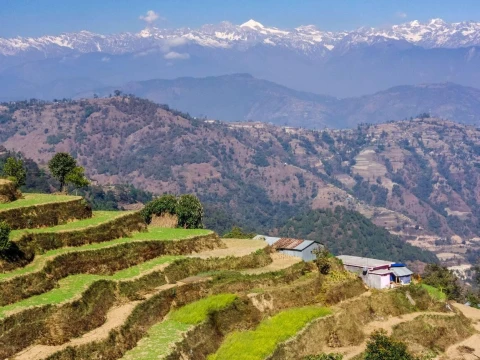
This tour is an ideal blend of business, leisure, and cultural exploration designed for professionals seeking both relaxation and inspiration. The journey begins in Kathmandu, the vibrant capital city of Nepal, where participants can explore historic landmarks, UNESCO World Heritage Sites, and experience the city’s rich culture while engaging in productive meetings or team-building sessions. A short drive to Nagarkot offers a refreshing escape into nature, with panoramic views of the Himalayas and tranquil surroundings perfect for relaxation, reflection, and informal networking. The tour continues to Pokhara, Nepal’s scenic lake city, renowned for its serene Phewa Lake, stunning mountain views, and adventure options like boating, paragliding, and short hikes. Combining comfort, scenic beauty, and professional engagement, this corporate tour provides the perfect balance of work and wellness, ensuring a rejuvenating experience that strengthens team spirit and inspires creativity.The Corporate Incentive Package Tour 4N/5D by Nepal Holidays Planner is a thoughtfully designed journey that combines business productivity with cultural immersion, natural exploration, and team rejuvenation. This program is ideal for corporate groups seeking to reward employees, strengthen team bonding, and create meaningful shared experiences outside the formal office environment. The tour begins in Kathmandu, the cultural and economic hub of Nepal, where participants are welcomed with traditional hospitality and introduced to the country’s vibrant heritage. The city offers a balanced environment where professional meetings and workshops can be conducted efficiently while still allowing time for exploration of ancient temples, UNESCO World Heritage Sites, and local traditions.Following the Kathmandu experience, the journey transitions into a refreshing escape to Nagarkot, a serene hill station known for its breathtaking Himalayan panoramas. This segment of the trip allows participants to unwind, reflect, and connect with nature while enjoying stunning sunrise and sunset views over the Himalayan range. The final stage of the tour takes the group to Pokhara, Nepal’s most picturesque lake city, where relaxation and adventure come together. With tranquil lakeside surroundings, mountain vistas, and optional activities like boating or short hikes, Pokhara enhances creativity and team harmony in a peaceful environment.Professional corporate meetings with modern facilities in KathmanduUNESCO World Heritage sightseeing and cultural immersionScenic Himalayan views from Nagarkot hill stationRelaxing lakeside experience in PokharaTeam-building opportunities through shared travel experiencesBalanced mix of business, leisure, and wellness activitiesThis program by Nepal Holidays Planner is carefully curated to ensure that every moment contributes to both professional growth and personal rejuvenation.Best Season for this Tour: The best time to experience the Corporate Incentive Package Tour 4N/5D with Nepal Holidays Planner is during the spring (March to May) and autumn (September to November) seasons. These periods are widely considered the most favorable for travel in Nepal due to stable weather conditions, clear skies, and excellent mountain visibility. For corporate groups, these seasons provide the perfect balance of comfortable temperatures, smooth logistics, and visually stunning landscapes that enhance both relaxation and outdoor experiences.During spring, Nepal transforms into a colorful paradise with blooming rhododendrons, lush greenery, and pleasant temperatures. This season is ideal for sightseeing in Kathmandu, outdoor networking activities, and enjoying panoramic Himalayan views from Nagarkot and Pokhara. Similarly, autumn is the peak travel season, offering crystal-clear mountain visibility, mild weather, and vibrant cultural festivals such as Dashain and Tihar, which add a unique cultural dimension to the corporate journey.Winter (December to February) can also be suitable for corporate incentive tours, especially for groups that prefer quieter travel experiences and sharp mountain views, particularly in Nagarkot. However, mornings and nights can be cold. The monsoon season (June to August) is generally less preferred due to rainfall and reduced visibility, although it offers lush landscapes and fewer crowds.Best Seasonal Advantages:Clear Himalayan views (especially in autumn & spring)Comfortable temperatures for meetings and sightseeingIdeal weather for outdoor networking and group activitiesAccess to cultural festivals and local experiencesBetter travel conditions and scenic photography opportunitiesChoosing the right season ensures that your corporate experience with Nepal Holidays Planner is not only productive but also visually inspiring and emotionally rewarding for all participants.Why to choose this PackageThe Corporate Incentive Package Tour 4N/5D by Nepal Holidays Planner is designed to go beyond a typical business trip. It is a complete experience that blends professional development, team motivation, cultural discovery, and natural relaxation into a single seamless journey. In today’s competitive corporate environment, organizations increasingly recognize the value of incentive travel in boosting employee morale, enhancing loyalty, and encouraging stronger teamwork—and this package delivers exactly that.One of the strongest reasons to choose this tour is its perfect balance of work and leisure. The itinerary includes well-equipped conference facilities in Kathmandu for meetings and workshops, followed by immersive cultural experiences and scenic retreats. From the spiritual ambiance of ancient temples to the peaceful Himalayan views of Nagarkot and the calming lakeside environment of Pokhara, every destination contributes to mental refreshment and creative thinking.Additionally, Nepal Holidays Planner ensures a high level of service, comfort, and customization. Whether it is luxury accommodation, private transportation, curated dining experiences, or professionally guided tours, every detail is carefully managed to ensure a smooth and stress-free corporate journey.Designed specifically for corporate incentive and team-building goalsSeamless integration of business meetings and leisure travelExpertly curated cultural and natural experiences across NepalLuxury stays with personalized hospitality servicesOpportunities for motivation, reflection, and team bondingFully managed logistics by Nepal Holidays Planner
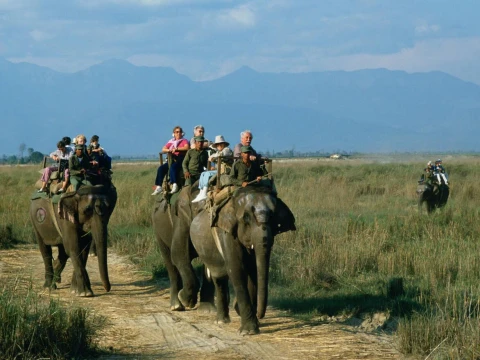
This corporate tour offers a perfect fusion of professional engagement, cultural exploration, natural beauty, and relaxation. Beginning in Kathmandu, Nepal’s bustling capital, participants can explore ancient heritage sites, attend business meetings, or engage in team-building programs amidst the city’s rich cultural ambiance. The journey continues to Pokhara, the picturesque lake city, where the serene Phewa Lake and stunning Himalayan backdrop create an inspiring environment for leisure and reflection. Next, the team moves to Chitwan, home to Nepal’s famous National Park, offering a unique blend of adventure and nature through jungle safaris, wildlife viewing, and Tharu cultural experiences – ideal for strengthening team spirit and rejuvenation. Finally, the trip concludes in Nagarkot, a tranquil hill station renowned for its panoramic sunrise and sunset views over the Himalayas. This well-balanced corporate tour combines business and recreation, promoting productivity, teamwork, and overall well-being in Nepal’s most captivating destinations.The Corporate Incentive Package Tour 6N/7D by Nepal Holidays Planner is a thoughtfully designed journey that blends professional development, team bonding, cultural immersion, and natural exploration across Nepal’s most iconic destinations. This program is ideal for companies seeking to reward employees, strengthen teamwork, and inspire creativity in a refreshing and motivating environment outside the workplace.Beginning in Kathmandu, participants are welcomed with traditional hospitality and introduced to Nepal’s rich heritage alongside structured corporate sessions. The journey then transitions to Pokhara, a peaceful lakeside city framed by the Annapurna Himalayas, offering a perfect setting for relaxation, outdoor activities, and team-building experiences. From there, the tour continues to Chitwan National Park, where wildlife safaris and cultural encounters with the Tharu community provide adventure and deeper cultural understanding. Finally, the trip concludes in Nagarkot, a serene hill station famous for Himalayan sunrise and sunset views, offering reflection and closure to a meaningful corporate experience.Professional conferences & workshops in KathmanduUNESCO World Heritage sightseeing experiencesScenic mountain flight to PokharaAdventure & team-building activities (boating, paragliding, zip-lining)Jungle safari & cultural immersion in Chitwan National ParkPanoramic Himalayan sunrise/sunset at NagarkotDesigned for employee motivation & corporate bondingOverall, this itinerary by Nepal Holidays Planner creates a perfect balance between productivity and relaxation, ensuring participants return with stronger connections, renewed energy, and unforgettable memories.Best Season for Corporate Incentive Package Tour 6N/7DThe best time to experience the Corporate Incentive Package Tour 6N/7D in Nepal is during the spring (March to May) and autumn (September to November) seasons. These periods offer the most stable weather conditions, clear mountain views, and comfortable temperatures, making them ideal for both business sessions and outdoor activities across Kathmandu, Pokhara, Chitwan, and Nagarkot.In spring, Nepal blooms with colorful rhododendrons and lush greenery, creating a refreshing atmosphere for sightseeing and team-building activities. Meanwhile, autumn is considered the peak travel season, offering crystal-clear Himalayan visibility, pleasant weather, and vibrant cultural festivals that enhance the overall travel experience. These seasons ensure smooth travel conditions for flights, road journeys, and adventure activities like safaris and trekking experiences.Best seasonal advantages:Clear Himalayan views (ideal for Pokhara & Nagarkot)Comfortable temperature for conferences and outdoor eventsPerfect conditions for a jungle safari in ChitwanVibrant festivals like Dashain & Tihar (autumn)Blooming landscapes and greenery in springLow chance of rainfall disruptionChoosing the right season with Nepal Holidays Planner ensures maximum enjoyment, productivity, and safety, making the corporate incentive journey both memorable and highly rewarding for all participants.Why Choose Corporate Incentive Package Tour 6N/7DThe Corporate Incentive Package Tour 6N/7D by Nepal Holidays Planner stands out as a premium corporate travel solution designed to enhance employee motivation, leadership bonding, and organizational productivity. It goes beyond traditional travel by integrating professional meetings, experiential learning, cultural discovery, and leisure activities into one seamless itinerary.This program is carefully curated to provide a meaningful balance between work and relaxation. From conducting business sessions in Kathmandu’s modern facilities to enjoying nature-inspired team-building activities in Pokhara, wildlife adventures in Chitwan, and peaceful reflection in Nagarkot, every destination contributes uniquely to corporate growth and team cohesion.Why companies prefer this package:Expertly managed by Nepal Holidays Planner with professional coordinationFully customizable itinerary based on corporate needsA combination of business meetings, leisure, and adventureStrengthens teamwork, communication, and leadership skillsAccess to luxury hotels, resorts, and premium transportationSafe, well-organized, and hassle-free travel experienceUnique blend of culture, nature, and corporate engagement

Feel free to inquire, and together, we'll design the perfect journey to suit your preferences and desires.


 (38)
(38)  100% recommend (56)
 (34)
(34)