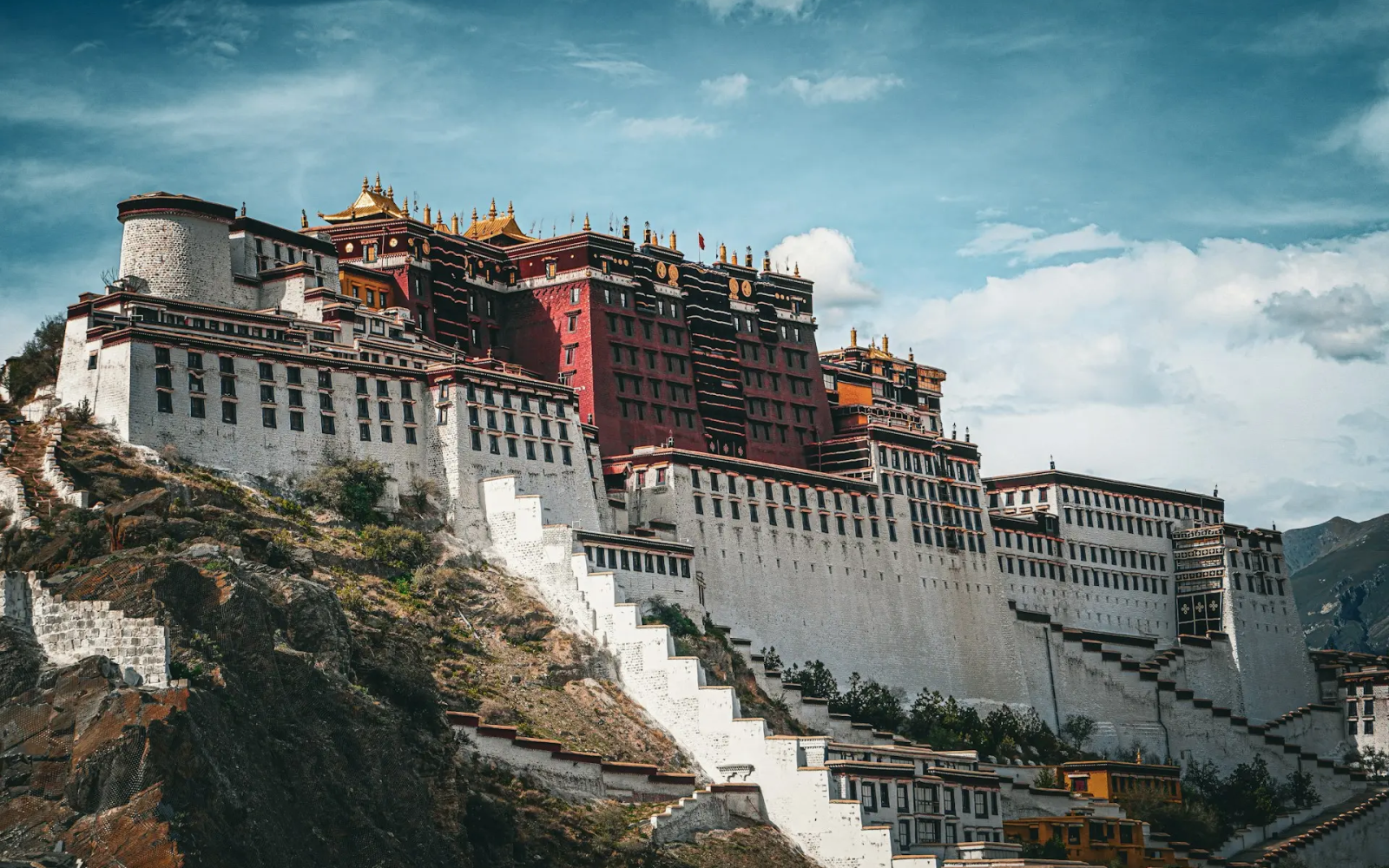
From the north of the Himalayas, Tibet beckons. Originally, Tibet was called Bod-yul, Ti-both, and finally Tibet. Now, Tibetans refer to the country as Po, both, and Chang-thang, despite there being a different province called Chang-thang in Tibet. Tibet is the highest tableland in the world, ranging from 3600 m above sea level, featuring snowy mountains and desert-like lands.
The majority of the country is mountainous, bleak, and barren, with only a few valleys. Numerous saltwater lakes, like Koko Nor and Lob Nor, are the largest in Tibet. Additionally, there are freshwater lakes, including Manasarovar, Rakchhesh, Tso Mavang, and Langak Tso, along with many of the most famous and largest rivers. The capital city of Tibet is Lhasa, located on the right bank of the Kyi Chhu. Lhasa, the Forbidden City, truly epitomizes the ultimate travel destination. Tibet's immense, stark, grand plateau, combined with its warm, cheerful people and unique Buddhist traditions imbued with mysticism, creates a landscape many perceive as the embodiment of the mythical Shangri-La.
Traveling to early Tibet requires considerable courage and luck, and for those hardy, intrepid explorers and adventurers, Lhasa, the Forbidden City, represents the pinnacle of travel destinations. Tibet's remoteness and captivating beauty mesmerize travellers.
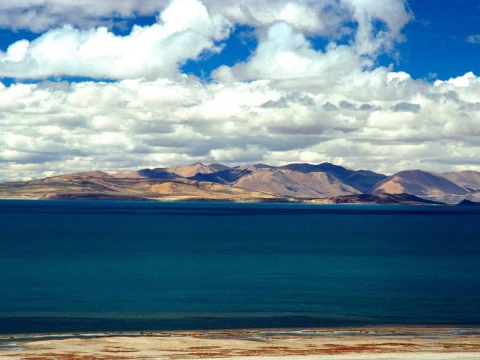
A Mount Kailash and Lake Manasarovar Tour is a deeply spiritual and transformative journey, offering a rare opportunity to visit one of the world's most sacred places. Mount Kailash, revered by Hindus, Buddhists, Jains, and Bonpos, is believed to be the abode of Lord Shiva and the axis of the universe. The tour typically includes a challenging yet rewarding pilgrimage to the base of Kailash, where many trekkers embark on the holy Kailash Kora (circumambulation), believed to bring purification and enlightenment. Along the way, the visitors can also explore nearby sites like the tranquil Lake Manasarovar, a pristine body of water believed to cleanse sins and grant blessings. The tour is a journey through dramatic landscapes, vast Tibetan plateaus, and rugged mountains, and profound cultural and spiritual experiences, offering a unique blend of natural beauty and ancient reverence. A Mount Kailash and Lake Manasarovar Tour is widely regarded as one of the most sacred pilgrimage journeys in the world. Organized by Nepal Holidays Planner, this journey takes travelers through the remote and spiritually powerful landscapes of Tibet, where mythology, religion, and nature blend seamlessly. Mount Kailash is revered in Hinduism, Buddhism, Jainism, and the Bon tradition, and is believed to be the cosmic center of the universe and the sacred abode of Lord Shiva. Because of its religious significance, circumambulating the mountain (known as Kailash Kora) is considered an act of purification that can cleanse a lifetime of negative karma.The journey is not only spiritual but also physically and emotionally transformative. Pilgrims and travelers pass through high mountain passes, vast Tibetan plateaus, glacial lakes, and ancient monasteries. Lake Manasarovar, another highlight of the tour, is considered one of the holiest freshwater lakes in the world. Its serene turquoise waters are believed to purify the soul and grant blessings to those who bathe or meditate on its shores. With Nepal Holidays Planner, the itinerary is carefully designed to balance spiritual experiences, acclimatization, and safety throughout the journey.Sacred Mount Kailash (6638m) pilgrimage experienceHoly Lake Manasarovar spiritual rituals and meditationKailash Kora (52 km circumambulation trek)Tibetan plateau landscapes and high passesCultural encounters with Tibetan Buddhism and traditionsBest Season for Mount Kailash and Manasarovar TourThe best time to undertake the Mount Kailash and Lake Manasarovar Tour with Nepal Holidays Planner is during the short summer window from May to September. During this period, the weather in Tibet is relatively stable, with clearer skies, milder temperatures, and accessible mountain passes. This season is especially important because the region experiences extreme cold, snow blockage, and unpredictable weather during the winter months, making travel difficult or impossible.May to September also coincides with major pilgrimage periods, including Saga Dawa Festival, which marks Buddha’s birth, enlightenment, and nirvana. During this time, the spiritual energy around Mount Kailash is believed to be at its peak, attracting thousands of pilgrims from around the world. The landscape is also at its most visually stunning, with snow-capped peaks, flowing rivers, and vibrant high-altitude lakes offering breathtaking views.However, even during the best season, weather conditions can change rapidly. Travelers must be prepared for cold nights, strong winds, and high-altitude challenges. Nepal Holidays Planner ensures proper planning, acclimatization days, and weather monitoring for a safe and comfortable journey.Key highlights:Best travel season: May to SeptemberIdeal weather and accessible high passesSaga Dawa Festival pilgrimage periodClear mountain views and stable conditionsAvoid winter due to heavy snow and closuresMount Kailash and Manasarovar Tour Difficulty and TransportationThe Mount Kailash and Manasarovar Tour, organized by Nepal Holidays Planner, is considered a moderately to highly challenging journey due to extreme altitude and remote terrain. The tour reaches elevations above 5,600 meters during the Kailash Kora, where oxygen levels are significantly lower than at sea level. While no technical climbing is required, the physical endurance needed for long drives and trekking at high altitude makes preparation essential.Transportation throughout the journey involves a combination of private vehicles, off-road drives, and trekking sections. The route from Kathmandu to Tibet includes crossing the Nepal-China border via Tatopani and Zhangmu, followed by long drives across the Tibetan plateau to reach Saga, Lake Manasarovar, and Darchen. The Kailash Kora itself is completed on foot over three days, covering rugged terrain, steep ascents, and high mountain passes like Dolma La Pass.Nepal Holidays Planner provides experienced guides, oxygen support, and well-planned acclimatization schedules to reduce altitude-related risks. The journey is carefully paced to allow the body to adjust gradually to the thinning air and changing environment.Key highlights:Moderate to great difficulty due to altitude (up to 5645m)Long overland drives across Tibet52 km Kailash Kora trekking circuitNo technical climbing requiredSupport with guides, transport, and oxygen assistanceFood and Accommodation for Mount Kailash and Manasarovar TourFood and accommodation during the Mount Kailash and Manasarovar Tour with Nepal Holidays Planner are simple, functional, and adapted to the remote high-altitude environment. Accommodation typically consists of basic guesthouses, monasteries, and tented camps in remote regions like Saga, Darchen, and during the Kailash Kora. Facilities are modest due to the extreme geography, but they provide essential comfort, warmth, and rest after long travel days.Meals are mostly vegetarian and Tibetan-style, designed to suit high-altitude digestion. Common foods include rice, noodles, soups, bread, vegetables, and butter tea. In some places, limited Nepali or Chinese-style dishes are available. Due to the sacred nature of the pilgrimage and remote conditions, meat consumption is often avoided near Lake Manasarovar and Mount Kailash.Nepal Holidays Planner ensures hygienic meal arrangements and proper hydration support throughout the journey. Special attention is given to keeping food simple yet nutritious to maintain energy levels during trekking and long drives. Travelers are also advised to carry personal snacks, energy bars, and warm beverages for added comfort.Key highlights:Basic guesthouses and tented campsSimple vegetarian and Tibetan mealsLimited facilities due to remote locationSafe and hygienic food arrangements by Nepal Holidays PlannerWarm drinks and an energy-rich diet for high altitudeMount Kailash and Manasarovar Tour PermitsTraveling to Mount Kailash and Lake Manasarovar requires several official permits due to its location in the Tibet Autonomous Region of China. Nepal Holidays Planner handles all necessary documentation and coordination to ensure a smooth and hassle-free journey. These permits are mandatory and must be arranged in advance through licensed tour operators.The main permits typically include the Tibet Travel Permit, Alien Travel Permit, and Military Permit. These documents regulate entry into restricted areas of Tibet and ensure that travelers are part of an organized group tour. Independent travel is not allowed in this region, making proper agency support essential. Additionally, border crossing permits are required when entering Tibet from Nepal via the Kyirong or Zhangmu route.The process of obtaining permits involves passport submission, visa arrangements, and coordination with Chinese tourism authorities. Nepal Holidays Planner manages this entire process, ensuring compliance with regulations and timely approval before departure.Key highlights:Tibet Travel Permit (mandatory entry document)Alien and Military Travel Permits for restricted zonesGroup visa and border crossing formalitiesOrganized only through registered tour operatorsFull documentation support by Nepal Holidays PlannerWhy Choose Mount Kailash and Manasarovar TourChoosing the Mount Kailash and Manasarovar Tour with Nepal Holidays Planner is not just about travel—it is about experiencing one of the most spiritually significant journeys on Earth. The company ensures a well-organized, safe, and meaningful pilgrimage that combines religious devotion, cultural exploration, and Himalayan adventure. Their expertise in high-altitude travel makes the journey smoother and more accessible for pilgrims from around the world.Another important reason to choose this tour is the balanced itinerary, which includes proper acclimatization, experienced guides, emergency support, and carefully selected routes. The journey is designed to minimize altitude risks while maximizing spiritual and scenic experiences. From Kathmandu to the sacred shores of Lake Manasarovar and the challenging Kailash Kora, every step is managed with care and professionalism.Nepal Holidays Planner also focuses on personalized service, ensuring travelers receive guidance, cultural insights, and emotional support throughout the pilgrimage. This makes the journey not only safe but also deeply enriching and memorable.Key highlights:Experienced high-altitude pilgrimage operatorSafe and well-planned itinerarySpiritual and cultural enrichmentProfessional guides and support teamHassle-free permit and logistics management
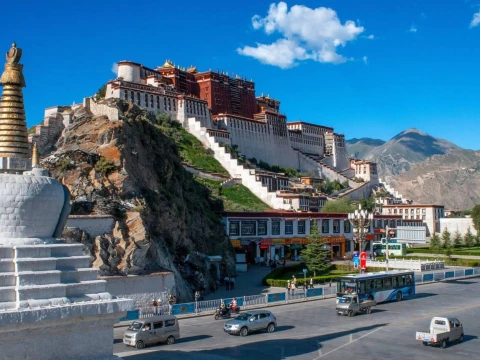
The Tibet Tour offered by Nepal Holidays Planner is one of the most spiritually enriching and visually breathtaking journeys in the world. Located on the “Roof of the World,” Tibet presents an extraordinary combination of ancient Buddhist heritage, dramatic Himalayan landscapes, and deeply rooted cultural traditions. This tour is designed for travelers seeking not only adventure but also spiritual connection and cultural immersion.The journey typically begins in Lhasa (3650m), the capital city of Tibet, where travelers can explore legendary landmarks such as the Potala Palace, Jokhang Temple, and Barkhor Street. These sites reflect centuries of Tibetan Buddhist culture and architecture. Beyond Lhasa, the route expands into high-altitude towns like Gyantse, Shigatse, and Shegar, eventually offering stunning views of the Himalayan range, including Mount Everest (North Face Base Camp access route).What makes this tour special is the combination of natural beauty and spiritual depth. Travelers witness prayer wheels spinning in monasteries, monks engaged in philosophical debates, and pilgrims performing full-body prostrations around sacred sites. The landscape shifts from turquoise lakes and glaciers to vast arid plateaus, creating a constantly changing visual experience.Exploration of Lhasa’s UNESCO heritage sitesVisit to ancient monasteries and Buddhist centersScenic drive through Himalayan landscapesViews of Mt. Everest from the Tibetan side routesDeep cultural and spiritual immersionOverall, this Tibet Tour by Nepal Holidays Planner is ideal for travelers seeking a once-in-a-lifetime Himalayan experience blending spirituality, culture, and adventure.Best Season for Tibet TourChoosing the right season is essential for a successful Tibet Tour, as weather conditions directly affect accessibility, comfort, and visibility of mountain landscapes. The best time to visit Tibet with Nepal Holidays Planner is generally from April to October, when the weather is relatively stable, and roads are accessible.During spring (April–May), Tibet begins to bloom with clearer skies, mild temperatures, and excellent visibility of Himalayan peaks. This is an ideal time for photography and sightseeing, especially around Lhasa and Yamdrok Lake. Similarly, autumn (September–October) is considered the peak travel season due to crisp weather, dry conditions, and spectacular mountain views, including glimpses of Mount Everest.The summer months (June–August) offer warmer temperatures, but occasional rainfall may affect road conditions in some areas. However, Lhasa and central Tibet remain comfortable for travel. Winter (November–March) is extremely cold, and while tourism is still possible, some routes and permits may be restricted.Seasonal Advantages:Spring: Clear skies, blooming landscapesSummer: Warm temperatures, green valleysAutumn: Best visibility, stable weatherWinter: Fewer tourists, peaceful monasteriesTravelers should avoid the heavy winter months unless they are experienced in high-altitude cold conditions. Nepal Holidays Planner carefully designs itineraries based on seasonal suitability to ensure safety and comfort.Tibet Tour Difficulty and TransportationThe Tibet Tour is considered moderate in difficulty, primarily due to high altitude conditions rather than physical exertion. Most travelers can complete the journey comfortably with proper acclimatization. Altitudes range from 3650m in Lhasa to over 5200m at high mountain passes, which may cause mild altitude sickness if precautions are not taken.Nepal Holidays Planner ensures a well-paced itinerary with gradual elevation gain to help travelers adapt. Rest days in Lhasa and slow road transitions through Gyantse and Shigatse are strategically planned for acclimatization.Transportation is mainly conducted through private vehicles or tourist coaches, offering comfort and flexibility during long drives. The journey includes scenic road travel across Tibet’s vast plateau, with stops at lakes, monasteries, and viewpoints. Some itineraries also include flight options to Lhasa and return by road via the Nepal border or vice versa.Key Transportation & Difficulty Points:Moderate difficulty due to altitude, not trekkingGradual elevation gain for acclimatizationComfortable private vehicle or tourist bus travelScenic drives across Himalayan landscapesOptional flight + road combination routesWhile no technical climbing or trekking is involved, travelers should maintain basic fitness and hydration discipline. Nepal Holidays Planner provides experienced guides to ensure safety throughout the journey.Food and Accommodation for Tibet TourFood and accommodation during the Tibet Tour are well-managed by Nepal Holidays Planner to ensure comfort despite remote high-altitude conditions. Accommodation typically includes standard to deluxe hotels in Lhasa, Shigatse, Gyantse, Shegar, and Zhangmu, depending on the package level. Most hotels provide clean rooms, heating facilities, and attached bathrooms, although amenities may be simpler in remote areas.Food options include a mix of Tibetan, Chinese, and basic continental dishes. In Lhasa and larger towns, travelers can find more variety, while in remote areas, meals are simpler but nutritious. Common Tibetan foods include momos (dumplings), thukpa (noodle soup), yak meat dishes, rice, and butter tea.Nepal Holidays Planner ensures hygienic meals and safe drinking water throughout the journey. Special dietary requirements can also be arranged with prior notice.Accommodation & Food Highlights:Comfortable hotels in major citiesBasic lodges in remote areasTibetan, Chinese, and continental cuisineHygienic meal arrangements by the tour operatorAvailability of vegetarian optionsAlthough luxury options are limited outside Lhasa, the authenticity of local stays enhances the cultural experience. Travelers are encouraged to try traditional Tibetan food for a deeper cultural connection.Tibet Tour PermitsTraveling to Tibet requires special permits, and Nepal Holidays Planner handles all necessary documentation for a smooth travel experience. Independent travel to Tibet is not allowed for foreign nationals; therefore, a registered tour operator is mandatory.The main required permits include the Tibet Travel Permit (TTP), which is issued by the Tibet Tourism Bureau, along with additional permits depending on the itinerary, such as an Alien Travel Permit for restricted areas like Shigatse or Everest Base Camp routes.Processing these permits usually requires passport copies and visa details, which must be submitted in advance. The approval process is managed in coordination with Chinese authorities, and Nepal Holidays Planner ensures all paperwork is handled efficiently.Key Permit Requirements:Tibet Travel Permit (mandatory for all travelers)Alien Travel Permit (for restricted regions)Visa coordination through the Chinese EmbassyGroup tour arrangement through a licensed operatorAdvance document submission requiredWithout proper permits, entry into Tibet is not possible. Therefore, booking through a reliable agency like Nepal Holidays Planner ensures legal compliance and hassle-free travel arrangements.Why Choose a Tibet Tour with Nepal Holidays PlannerChoosing Nepal Holidays Planner for your Tibet Tour guarantees a professionally organized, safe, and enriching travel experience. The company specializes in Himalayan and cross-border tours, ensuring expert handling of logistics, permits, accommodation, and guided services.Their itineraries are carefully designed to balance cultural exploration, scenic beauty, and altitude acclimatization, making the journey comfortable even for first-time high-altitude travelers. Experienced local guides provide deep insights into Tibetan Buddhism, history, and lifestyle, enhancing the overall experience.Nepal Holidays Planner also prioritizes safety, personalized service, and customer satisfaction, ensuring travelers receive assistance at every stage of the journey. From Kathmandu departure to Lhasa exploration and return, every detail is professionally managed.Why Choose This Tour:Fully organized Tibet travel packagesExpert handling of permits and logisticsExperienced English-speaking guidesCarefully designed acclimatization itinerary24/7 travel support and assistanceCultural, spiritual, and scenic immersionIn conclusion, a Tibet Tour with Nepal Holidays Planner is not just a vacation—it is a transformative journey across one of the highest, most spiritual, and most visually stunning regions on Earth.
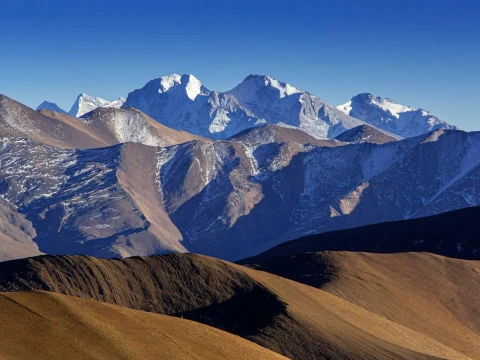
The Lhasa to Everest Base Camp (EBC) tour is an extraordinary adventure that takes you through the heart of Tibet, combining its rich cultural heritage with the awe-inspiring beauty of the Himalayas. Starting in Lhasa, you will explore its sacred landmarks like the Potala Palace, Jokhang temple, and Drepung Monastery, all while immersing yourself in the spiritual atmosphere of the city. From Lhasa, the journey to EBC is a scenic drive across rugged plateaus and high mountain passes, offering stunning views of the Tibetan landscape and the towering peaks of the Himalayas. Along the way, you will visit places like Shigatse, Gyantse, and Rongbuk, before finally reaching Everest Base Camp, where you will stand in awe before the world’s highest mountain. The journey provides breathtaking views and encounters with Tibetan culture and offers a deep sense of tranquility and connection to one of the most remote and majestic regions on Earth.The Lhasa Everest Base Camp Tour, organized by Nepal Holidays Planner,r is a once-in-a-lifetime journey that blends the deep spiritual culture of Tibet with the breathtaking natural grandeur of the Himalayas. Starting from Lhasa (3650m), the tour introduces travelers to ancient monasteries, sacred temples, and UNESCO World Heritage Sites before gradually ascending toward the world’s highest peak, Mount Everest. The experience is carefully designed to help travelers acclimatize while exploring iconic Tibetan landmarks such as the Potala Palace, Jokhang Temple, Sera Monastery, and Drepung Monastery.As the journey progresses beyond Lhasa, the landscape transforms into vast high-altitude plateaus, turquoise lakes, and dramatic mountain passes. Travelers pass through Gyantse, Shigatse, Rongbuk Monastery, and finally reach Everest Base Camp (EBC), where the mighty Everest reveals its full glory. This route is not just a sightseeing tour but a deep cultural and natural immersion into one of the most remote regions on Earth.UNESCO sites: Potala Palace & Jokhang TempleScenic drive across the Tibetan plateauVisit Shigatse & Gyantse cultural townsRongbuk Monastery & Everest Base CampCultural immersion with the Tibetan lifestyleManaged by Nepal Holidays Planner for safety & comfortBest Season for Lhasa Everest Base Camp TourThe best time to undertake the Lhasa Everest Base Camp Tour with Nepal Holidays Planner is during spring (April to June) and autumn (September to November). During these months, the weather in Tibet remains stable, skies are generally clear, and the visibility of Mount Everest and the surrounding Himalayan peaks is at its best. These seasons also provide comfortable daytime temperatures, making high-altitude travel more enjoyable and safer for acclimatization.Spring brings blooming landscapes and fresh mountain air, while autumn offers crystal-clear mountain views and dry weather conditions ideal for photography and long drives. Winter is extremely cold with heavy snowfall blocking routes, and summer (monsoon season) can bring unpredictable weather and road disruptions. Therefore, choosing the right season is essential for a smooth and memorable journey.Seasonal highlights:Spring: clear skies, blooming valleysAutumn: best visibility of EverestAvoid monsoon (June–August)Avoid deep winter (December–February)Ideal trekking & photography conditionsLhasa Everest Base Camp Tour Difficulty and TransportationThe Lhasa Everest Base Camp Tour is considered a moderate adventure journey, mainly due to the high altitude rather than physical trekking difficulty. Since most of the route is traveled by vehicle, it is accessible to travelers with basic fitness levels. However, altitude sickness can be a challenge, especially above 4000m, so proper acclimatization days in Lhasa and Shigatse are essential.Transportation throughout the journey is arranged by Nepal Holidays Planner using comfortable tourist vehicles suitable for rugged Tibetan roads. The route includes long scenic drives, high mountain passes like Gyatso La Pass (5220m), and gradual descents toward Nepal. No technical trekking is required, but travelers should be prepared for long driving hours and changing weather conditions.Key points:Moderate difficulty (high altitude factor)No trekking required, road journey onlyComfortable tourist vehicles are usedAcclimatization days includedLong driving hours (6–8 hrs/day average)Food and Accommodation for Lhasa Everest Base Camp TourAccommodation during the Lhasa Everest Base Camp Tour by Nepal Holidays Planner ranges from comfortable hotels in cities like Lhasa and Shigatse to basic guesthouses in remote areas such as Rongbuk and Everest Base Camp. In major towns, hotels provide modern facilities including hot showers, heating, and Wi-Fi, while in high-altitude regions, facilities are more basic due to environmental conditions.Food options include a mix of Tibetan, Nepali, Chinese, and basic international dishes. Travelers can enjoy Tibetan bread, noodle soups, momos, yak butter tea, and rice-based meals. At higher elevations like EBC, food options become limited, but warm and freshly prepared meals are provided to maintain energy levels in cold conditions.Accommodation & food highlights:3-star hotels in Lhasa & ShigatseBasic guesthouses at Rongbuk & EBCTibetan, Nepali & Chinese cuisine availableVegetarian food options availableWarm meals suitable for high altitudeLhasa Everest Base Camp Tour PermitsTraveling to Tibet requires several official permits, and Nepal Holidays Planner handles all necessary documentation for a smooth experience. The most important document is the Tibet Travel Permit, issued by Chinese authorities, which is mandatory for entering Lhasa. Additional permits are required for restricted areas such as Everest Base Camp and border regions.These permits cannot be applied for individually by tourists and must be arranged through an authorized travel agency. Nepal Holidays Planner ensures all paperwork is processed in advance, including group permits, military permits (if required), and special entry approvals. Travelers must provide passport copies and visa details before departure.Required permits:Tibet Travel Permit (mandatory)Everest Base Camp Entry PermitAlien Travel Permit (for restricted zones)China Group Visa (arranged via agency)All permits managed by Nepal Holidays PlannerWhy Choose Lhasa Everest Base Camp Tour (Nepal Holidays Planner)Choosing the Lhasa Everest Base Camp Tour with Nepal Holidays Planner ensures a safe, well-organized, and enriching Himalayan adventure. The company provides experienced Tibetan route guides, proper acclimatization planning, and reliable transportation, making the journey comfortable even in extreme high-altitude conditions. Every detail is carefully managed to maximize safety and cultural experience.This tour is ideal for travelers seeking both spiritual exploration and natural wonder in one journey. From ancient monasteries in Lhasa to standing face-to-face with Mount Everest at Base Camp, the experience is deeply transformative. Nepal Holidays Planner ensures professional service, permit handling, and 24/7 support throughout the journey.Why choose this tour:Fully managed by Nepal Holidays PlannerExperienced Tibetan & Himalayan guidesSafe acclimatization itineraryHassle-free permit arrangementsCultural + adventure combined experienceLifetime memory at Everest Base Camp
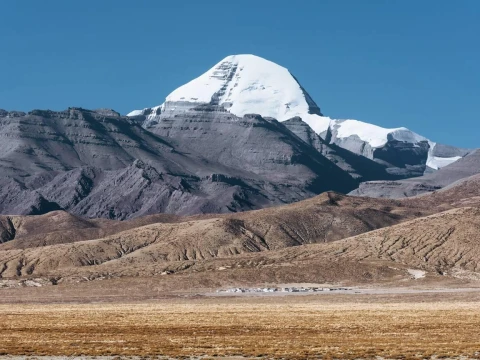
The Kailash Manasarovar Yatra from Nepal is one of the most spiritually significant and physically rewarding journeys in the Himalayas. Organized by Nepal Holidays Planner, this overland pilgrimage takes travelers through Nepal’s lush mid-hills into the remote and mystical Tibetan Plateau, culminating at the sacred Mount Kailash and Lake Manasarovar. Revered in Hinduism, Buddhism, Jainism, and Bon religion, Mount Kailash is considered the spiritual center of the universe, while Lake Manasarovar symbolizes purity and enlightenment.This journey is not just a trek but a deeply transformative experience combining culture, faith, and high-altitude adventure. Starting from Kathmandu, the route passes through Timure, Kerung, Saga, and finally to Darchen, the base for the holy kora (circumambulation). Pilgrims experience dramatic landscape transitions—from green valleys and rivers to barren high-altitude deserts and snow-clad peaks. The spiritual highlight includes the three-day Kailash Kora, where devotees walk around Mount Kailash, believed to wash away lifetimes of karma.Sacred Mount Kailash (6,638m) circumambulation (Kora)Holy dip/ritual at Lake ManasarovarScenic drive through the Nepal-Tibet plateauCultural exposure to Tibetan BuddhismHigh-altitude spiritual trekking experienceThis pilgrimage is ideal for both religious devotees and adventure seekers looking for a life-changing Himalayan journey.Best Season for Kailash Manasarovar Trip from NepalThe best time to undertake the Kailash Manasarovar journey is during the short pilgrimage season when weather conditions are relatively stable in the Tibetan Plateau. Nepal Holidays Planner recommends traveling between May and September, with peak months being June, July, and August.During this period, temperatures are milder, roads are accessible, and the chances of heavy snowfall or road blockages are minimal. The skies are generally clearer, offering magnificent views of Mount Kailash and the surrounding landscapes. Lake Manasarovar also remains accessible, allowing pilgrims to perform rituals and meditation comfortably.Outside this season, the region experiences extreme cold, strong winds, and heavy snowfall, making travel highly challenging and often restricted by Chinese authorities. Proper timing is crucial not only for safety but also for the spiritual fulfillment of the journey.Seasonal Highlights:May–June: Pleasant weather, fewer crowdsJuly–August: Peak pilgrimage season, spiritual gatheringsSeptember: Clear skies, stable conditions, fewer travelersWinter (Oct–Apr): Mostly closed due to harsh weatherChoosing the right season ensures a safer, smoother, and more meaningful pilgrimage experience.Kailash Manasarovar Trip from Nepal: Difficulty and TransportationThe Kailash Manasarovar journey is considered moderately to highly challenging due to altitude, terrain, and long travel durations. The trek reaches elevations above 5,600 meters at Dolma La Pass, where oxygen levels are significantly lower. However, the overland route via Nepal reduces some difficulty compared to trekking-only routes, making it accessible to pilgrims with reasonable fitness.Nepal Holidays Planner arranges comfortable overland transportation using well-equipped vehicles suitable for rugged Himalayan and Tibetan roads. The journey involves long drives, ranging from 2 to 8 hours daily, across high-altitude terrain. Acclimatization days are included in Kerung and Saga to reduce altitude sickness risks.Physical fitness and mental preparedness are important, especially during the 3-day Kora around Mount Kailash. While no technical climbing is involved, the steep ascent and descent at Dolma La Pass require endurance and careful pacing.Difficulty & Transport Points:Moderate to high physical challenge due to altitudeMaximum elevation: 5,630m (Dolma La Pass)Long overland drives across Nepal and Tibet3-day high-altitude trek (Kora)Comfortable 4WD vehicles arranged by Nepal Holidays PlannerOxygen support available if requiredProper acclimatization and guided support make the journey manageable for most dedicated pilgrims.Food and Accommodation for Kailash Manasarovar Trip from NepalAccommodation during the Kailash Manasarovar trip varies from comfortable hotels in Kathmandu to basic guesthouses and tented camps in Tibet. Nepal Holidays Planner ensures clean, safe, and well-managed lodging throughout the journey, considering the remoteness of the region.In Kathmandu and cities like Saga and Kerung, travelers stay in standard hotels with attached bathrooms and modern amenities. However, as the journey moves closer to Mount Kailash, accommodation becomes simpler, often in Tibetan-style guesthouses or shared lodges. At Dirapuk and Zutulpuk during the Kora, facilities are very basic but sufficient for resting after long treks.Food is mostly vegetarian due to religious significance and high-altitude dietary requirements. Meals include rice, lentils, noodles, soups, and light Tibetan dishes. Safe drinking water and hot beverages are provided regularly to maintain hydration.Accommodation & Food Highlights:Hotels in Kathmandu, Kerung, SagaBasic guesthouses on the Darchen and Kora routeVegetarian meals throughout the journeyTibetan, Nepali, and simple continental food optionsSafe drinking water and hot tea/coffee availableHygienic arrangements managed by Nepal Holidays PlannerThough simple, the hospitality and spiritual atmosphere make the experience deeply meaningful.Kailash Manasarovar Trip from Nepal PermitsThe Kailash Manasarovar pilgrimage requires multiple permits due to its cross-border nature between Nepal and Tibet (China). Nepal Holidays Planner handles all necessary documentation and coordination with authorities, ensuring a smooth and hassle-free process for travelers.Key permits include the Chinese Tibet Travel Permit, Alien Travel Permit, and military or restricted area permits, depending on regulations. Additionally, pilgrims entering via Nepal require group visa processing through the Chinese Embassy in Kathmandu. All documents are processed in advance, and travelers must provide valid passports and supporting identification.Since the region is politically and geographically sensitive, independent travel is not allowed. A licensed travel agency like Nepal Holidays Planner is mandatory for organizing the trip.Permit Requirements:Chinese Group Visa (processed in Kathmandu)Tibet Travel PermitRestricted Area PermitAlien Travel Permit for the Kailash regionValid passport (minimum 6 months validity)Passport-size photos for documentationThe agency ensures full compliance with international border and travel regulations, making the journey legally secure and well-organized.Why Choose the Kailash Manasarovar Trip from NepalChoosing to travel with Nepal Holidays Planner for the Kailash Manasarovar Yatra ensures a well-organized, safe, and spiritually fulfilling experience. The Nepal route is considered one of the most scenic and accessible pathways to Mount Kailash, offering shorter travel time compared to other international routes.The company provides experienced guides, acclimatization support, emergency oxygen, and carefully planned itineraries to ensure safety at high altitude. Their deep understanding of both Nepal and Tibetan terrains helps travelers navigate challenging conditions smoothly while focusing on spiritual goals.Beyond logistics, the journey is enriched with cultural insights, rituals at sacred sites, and personalized assistance throughout the trip. The company also emphasizes group safety, comfort, and meaningful pilgrimage experiences.Reasons to Choose Nepal Holidays Planner:Experienced Kailash trekking and tour specialistsSmooth Nepal-Tibet border coordinationWell-planned acclimatization scheduleHigh-altitude safety support and oxygen availabilityComfortable transport and accommodation managementFocus on spiritual and cultural experienceThis journey is not just a tour but a once-in-a-lifetime spiritual transformation guided by professionals who understand the sacred importance of Mount Kailash.


Feel free to inquire, and together, we'll design the perfect journey to suit your preferences and desires.


 (38)
(38)  100% recommend (56)
 (34)
(34)