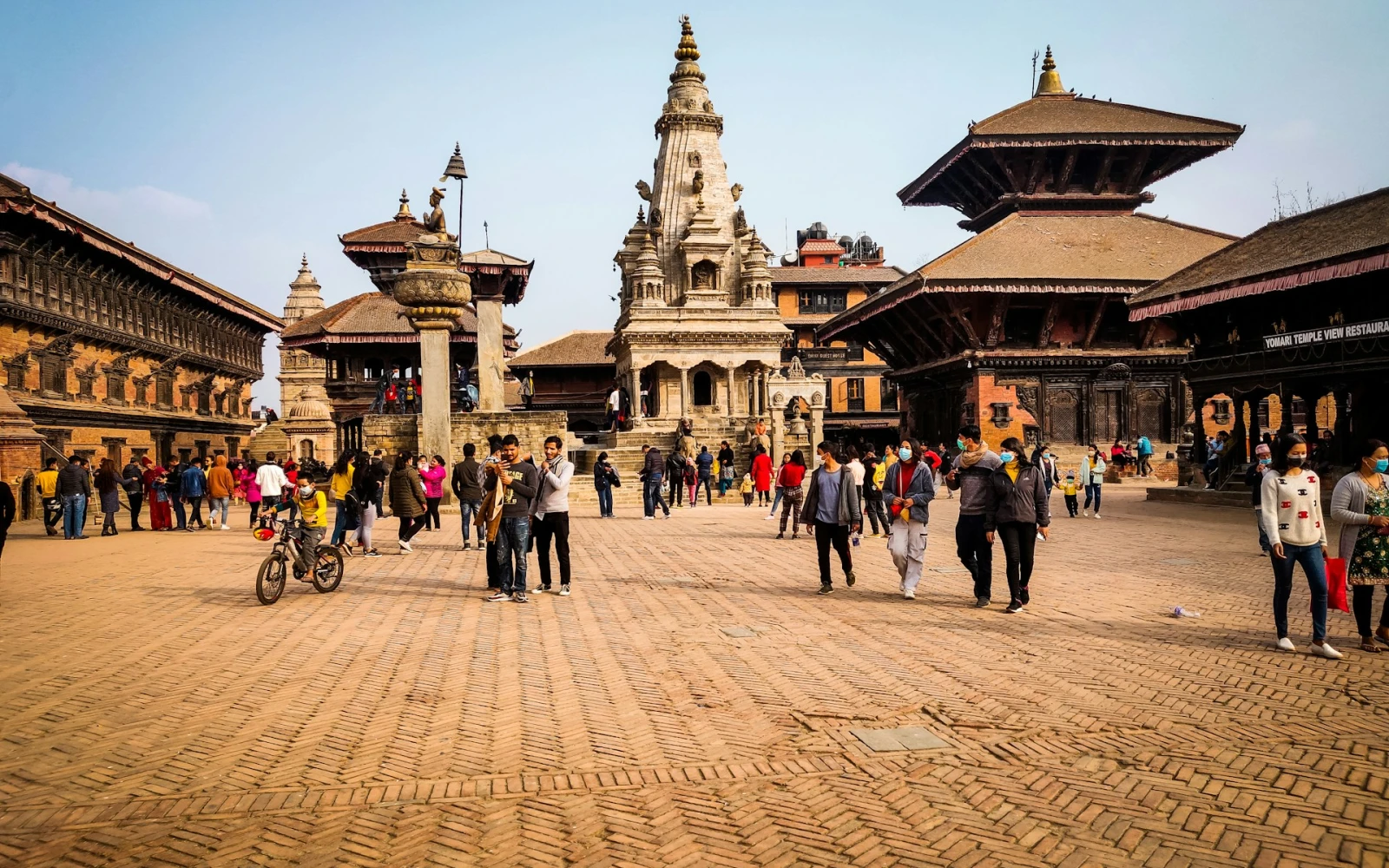
The Kathmandu Valley in Nepal is one of the rare destinations in the world where an entire region is recognized as a UNESCO World Heritage Cultural Zone. Within a compact geographical area, it preserves seven monumental heritage sites that represent centuries of artistic excellence, religious harmony, and royal legacy. These sites collectively form a living museum of Hinduism, Buddhism, and indigenous Newar civilization.
What makes this experience extraordinary is not just the age of the monuments, but their continuous use in daily life. Ancient temples still host active rituals, royal courtyards echo with festivals, and stupas remain centers of spiritual devotion. With Nepal Holidays Planner, travelers can experience these sites in a well-curated journey that blends storytelling, guided exploration, and cultural immersion.
Key Highlights:
The Kathmandu Valley is often called an open-air museum, but in reality, it feels more like stepping into a living time machine. Every corner of the valley reveals layers of history where ancient kingdoms, spiritual traditions, and artistic mastery continue to coexist with modern life. In a single journey, travelers can move from 5th-century stone inscriptions to 17th-century palaces and centuries-old religious practices that are still alive today.
This rare cultural density creates an immersive experience unlike anywhere else in the world. The sounds of temple bells, prayer chants, and traditional music blend seamlessly with everyday life, making history feel present rather than distant. Through Nepal Holidays Planner, visitors gain a deeper understanding through expert-guided storytelling that transforms sightseeing into a meaningful cultural journey.
Key Highlights:
Kathmandu Durbar Square stands as the historic political and cultural center of the Kathmandu Valley, once serving as the royal palace complex of the Malla and Shah dynasties. This UNESCO World Heritage Site is a stunning collection of ancient palaces, courtyards, temples, and shrines that reflect the grandeur of Nepal’s royal past. Despite damage from earthquakes and time, the square continues to preserve its majestic identity and remains a symbol of national heritage.
[trip:valley-view-and-queen-cities-tour-]
Walking through Kathmandu Durbar Square feels like stepping into a living museum where history still breathes through stone walls and carved wooden windows. The presence of the Living Goddess Kumari, traditional rituals, and ongoing cultural ceremonies make the site uniquely alive. With Nepal Holidays Planner, travelers gain deeper insights into royal history, hidden stories, and cultural significance that transform a simple visit into an immersive heritage experience.
Key Highlights:
Patan Durbar Square, located in the ancient city of Lalitpur, is widely celebrated as the artistic soul of the Kathmandu Valley. This UNESCO-listed site showcases the finest examples of Newar craftsmanship, including stone sculptures, metal artistry, and beautifully detailed temples that reflect centuries of artistic refinement and devotion.
The square is not only a heritage site but also a living center of creativity. Narrow streets surrounding the palace lead to workshops where artisans continue traditional metal casting, wood carving, and stone engraving techniques passed down through generations. The Patan Museum adds further depth by displaying sacred art and cultural artifacts. With Nepal Holidays Planner, visitors experience a guided journey through Nepal’s artistic legacy and cultural evolution.
Key Highlights:
Bhaktapur Durbar Square is often regarded as the most beautifully preserved medieval city in Nepal, offering an authentic glimpse into traditional Himalayan urban life. The square is surrounded by ancient temples, courtyards, and brick houses that maintain their original architectural charm, making it feel as though time has stood still.
Unlike modern urban centers, Bhaktapur preserves its old-world lifestyle, where pottery making, weaving, and traditional farming remain part of daily life. Festivals such as Bisket Jatra bring the entire city to life with color, music, and devotion. Through Nepal Holidays Planner, travelers can explore both the historical richness and living traditions of this remarkable cultural treasure.
Key Highlights:
Swayambhunath Stupa, perched on a hilltop overlooking Kathmandu Valley, is one of the oldest and most sacred religious sites in Nepal. Known as the Monkey Temple, it is a powerful symbol of harmony between Buddhist and Hindu traditions. The iconic “Eyes of Buddha” painted on the stupa represent wisdom, compassion, and universal awareness.
Reaching the stupa requires climbing a long staircase, symbolizing a spiritual ascent toward enlightenment. Along the way, prayer flags, chanting monks, and playful monkeys create a unique spiritual atmosphere. With panoramic views of the valley, the site offers both peace and reflection. Nepal Holidays Planner enriches this experience with cultural interpretation and spiritual storytelling.
Key Highlights:
Boudhanath Stupa is one of the largest spherical stupas in the world and the most important center of Tibetan Buddhism outside Tibet. Surrounded by monasteries, shops, and prayer wheels, it forms a vibrant spiritual community that attracts pilgrims from across the globe.
The stupa radiates a calm yet powerful spiritual energy, especially as devotees walk clockwise in meditation and offer prayers. Evening rituals with butter lamps create a deeply peaceful atmosphere. With Nepal Holidays Planner, travelers gain meaningful insights into Buddhist rituals, symbolism, and the cultural significance of Tibetan heritage in Nepal.
Key Highlights:
Pashupatinath Temple is Nepal’s most sacred Hindu pilgrimage site, dedicated to Lord Shiva and located on the banks of the holy Bagmati River. This vast temple complex includes shrines, ashrams, ghats, and open spaces where spiritual rituals have been performed for centuries.
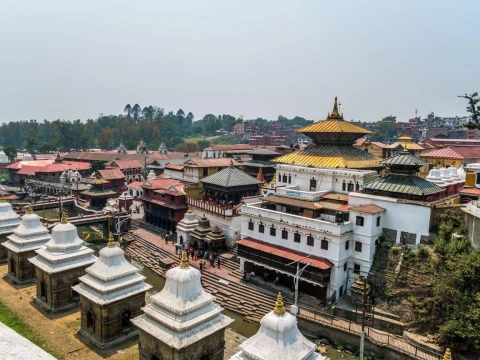
The temple is deeply symbolic, as it represents the cycle of life and death through cremation rituals performed along the riverbanks. Visitors witness powerful spiritual traditions that offer insight into Hindu beliefs about existence and liberation. With Nepal Holidays Planner, travelers are guided respectfully through this sacred site with cultural understanding and sensitivity.
Key Highlights:
Changu Narayan Temple, situated on a peaceful hilltop near Bhaktapur, is considered the oldest Hindu temple in Nepal, dedicated to Lord Vishnu. With a history spanning more than 1,500 years, it stands as a living monument of ancient Nepalese civilization.
The temple is famous for its ancient stone inscriptions, detailed carvings, and serene surroundings. Unlike the more crowded heritage sites, Changu Narayan offers a peaceful and reflective atmosphere. Through Nepal Holidays Planner, visitors can explore its archaeological importance and understand the early cultural foundations of Nepal.
Key Highlights:
The seven UNESCO World Heritage Sites in the Kathmandu Valley are not isolated monuments—they are deeply interconnected through shared history, religion, art, and living traditions. From the royal courtyards of Kathmandu and Patan to the spiritual stupas of Swayambhunath and Boudhanath, each site reflects a continuous cultural narrative shaped by Hinduism, Buddhism, and the indigenous Newar civilization. Together, they form a unified cultural landscape where history is not frozen but actively lived.
What makes these sites truly remarkable is how daily life still flows through them. Festivals, rituals, traditional craftsmanship, and community practices continue to bind these heritage locations together. The architecture, symbolism, and spiritual beliefs are repeated across temples and stupas, creating a cultural rhythm that connects the entire valley. With Nepal Holidays Planner, travelers experience these connections through guided storytelling that reveals how each site is part of one living heritage system.
Key Highlights:
Exploring the UNESCO sites of Kathmandu Valley is most rewarding when planned thoughtfully. The best time to visit is during autumn (September to November) and spring (March to May), when the weather is clear, and festivals bring the heritage sites to life. Early mornings are ideal for peaceful exploration, while evenings offer a magical atmosphere, especially at Boudhanath and Pashupatinath.
Cultural sensitivity is essential when visiting these sacred and historical places. Modest clothing, respectful behavior in temples, and awareness of local customs enhance the experience. Many sites are best explored on foot or with short guided routes connecting nearby monuments like Kathmandu Durbar Square, Swayambhunath, and Patan. With Nepal Holidays Planner, travelers receive expert guidance, curated walking tours, and cultural etiquette support for a more meaningful journey.
Key Highlights:
The UNESCO World Heritage Sites of the Kathmandu Valley offer far more than visual beauty—they provide a journey through living history. Each temple, palace, and stupa represents centuries of cultural evolution that continues today. Walking through these sites feels like moving through different eras, where ancient traditions and modern life coexist in harmony.
This unique blend of spirituality, architecture, and living culture transforms Kathmandu into a destination where time feels fluid. Visitors do not simply observe history—they become part of it. With Nepal Holidays Planner, this journey becomes even more enriching through expert storytelling, cultural insights, and thoughtfully designed itineraries that bring the valley’s heritage to life.
Key Highlights:
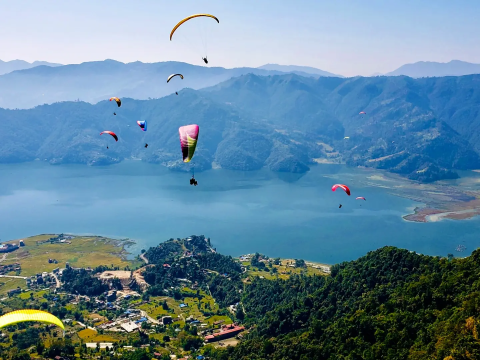
Nepal is a dream destination for trekking enthusiasts and cultural explorers alike. Known worldwide for its dramatic landscapes, towering snow-capped peaks, and vibrant traditions, Nepal offers a vast range of trekking and tour options to suit every adventurer’s desires and abilities. Whether you are an experienced trekker ready to conquer
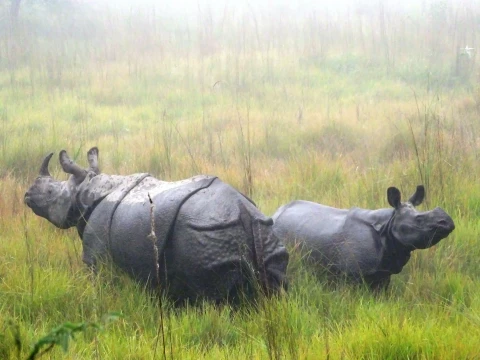
Nepal is not only about towering Himalayas and spiritual journeys; it is also one of Asia’s most exciting wildlife destinations. From dense subtropical jungles to protected national parks, the country offers incredible opportunities to encounter rare and endangered species in their natural habitat. Wildlife adventures in Nepal often combine


 (38)
(38)  100% recommend (56)
 (34)
(34)