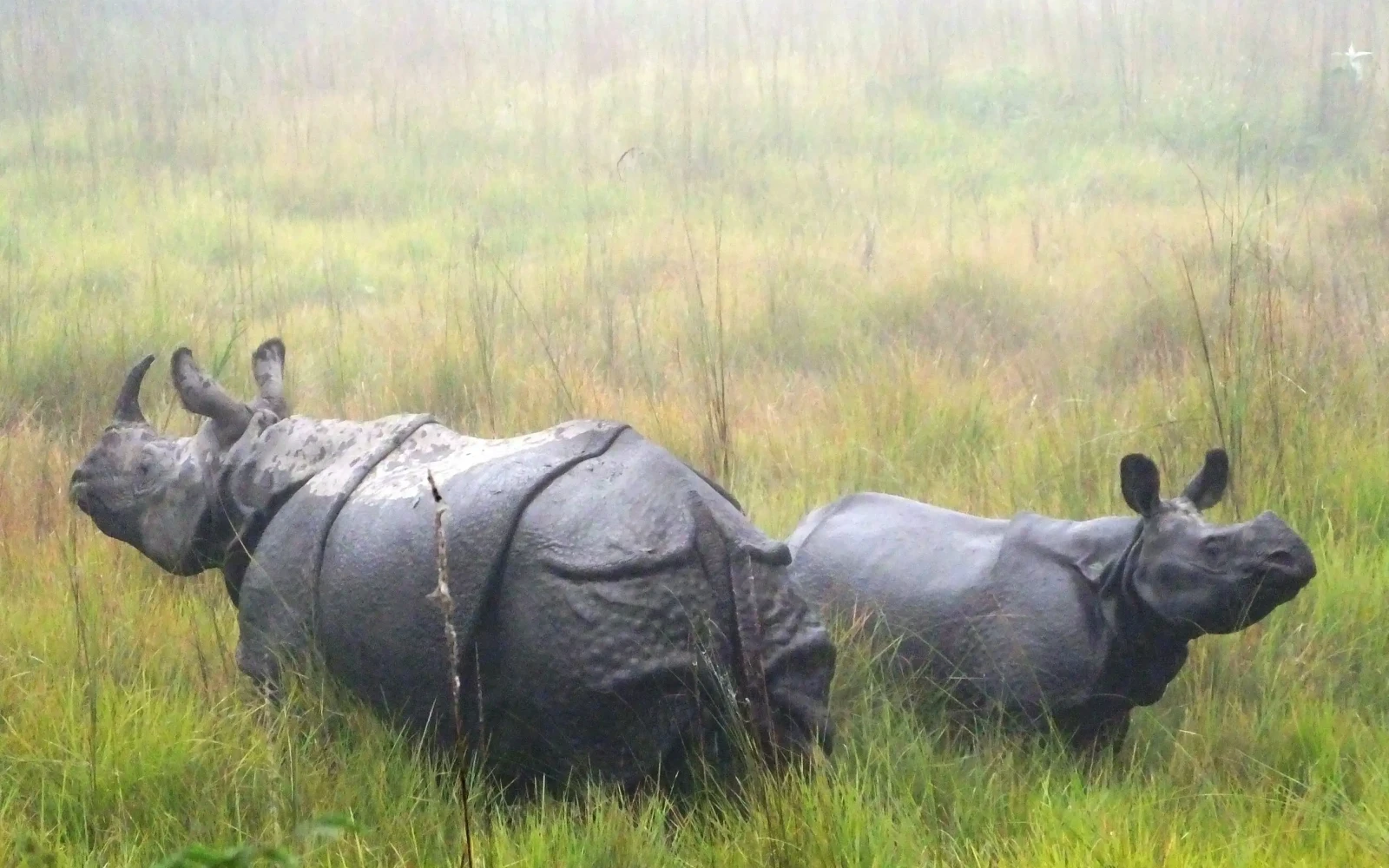
Nepal is not only about towering Himalayas and spiritual journeys; it is also one of Asia’s most exciting wildlife destinations. From dense subtropical jungles to protected national parks, the country offers incredible opportunities to encounter rare and endangered species in their natural habitat. Wildlife adventures in Nepal often combine jungle safaris, birdwatching tours, canoe rides, and guided nature walks, making each experience immersive and unforgettable.
With expert operators like Nepal Holidays Planner, travelers can safely explore Nepal’s best wildlife regions while gaining deep insight into conservation efforts and local ecosystems. Whether it is spotting a Bengal tiger in the wild or watching one-horned rhinoceroses graze peacefully, Nepal delivers a raw and authentic wildlife experience.
Key Highlights:
Nepal is often associated with trekking and mountaineering, but it is equally rich in biodiversity. Despite its relatively small size, the country hosts an extraordinary variety of flora and fauna due to its unique geographical position between India and China and its dramatic altitude differences. This makes Nepal a hidden gem for wildlife enthusiasts seeking something beyond traditional safari destinations.
Unlike crowded wildlife parks in other countries, Nepal offers more intimate and less commercialized wildlife encounters. National parks such as Chitwan National Park and Bardia National Park are globally recognized for their conservation success and thriving animal populations. With Nepal Holidays Planner, travelers can enjoy well-organized wildlife tours that balance adventure, comfort, and sustainability.
Key Highlights:
One of Nepal’s greatest strengths as a wildlife destination is its incredible range of ecosystems. In the southern lowlands (Terai region), dense tropical jungles host rhinos, elephants, crocodiles, and big cats. Moving upward, the landscape transforms into lush hills and forested valleys, where deer, leopards, and hundreds of bird species thrive. Finally, the Himalayan foothills introduce alpine habitats with rare species adapted to high altitudes.
This vertical diversity within a short distance makes Nepal a paradise for wildlife exploration. Travelers can experience multiple ecosystems in a single trip, something very few countries in the world can offer. Nepal Holidays Planner designs customized itineraries that allow visitors to explore these contrasting landscapes seamlessly, ensuring a rich and varied wildlife adventure.
Key Highlights:
Chitwan National Park is Nepal’s most famous and well-developed wildlife destination, offering a classic jungle safari experience that attracts travelers from all over the world. Located in the subtropical lowlands of southern Nepal, this UNESCO World Heritage Site is known for its rich biodiversity and accessible wildlife viewing opportunities. With Nepal Holidays Planner, visitors can enjoy well-organized safaris that include jeep rides, canoe trips, and guided jungle walks.
[trip:wildlife-safari-tour-in-chitwan-national-park]
The park is especially famous for its population of one-horned rhinoceroses, Bengal tigers, crocodiles, and over 500 species of birds. The mix of grasslands, riverine forests, and wetlands creates a perfect habitat for wildlife, making every safari unpredictable and exciting. It is ideal for first-time wildlife travelers who want a comfortable yet thrilling jungle experience.
Key Highlights:
Bardiya National Park is Nepal’s largest and most untouched protected wilderness, offering a more raw and remote wildlife experience compared to Chitwan. Located in the western Terai, this park is ideal for travelers seeking solitude and deeper immersion into nature. Nepal Holidays Planner provides expertly guided expeditions that take visitors deep into tiger territory and untouched forest landscapes.
[trip:wildlife-safari-tour-in-bardiya-national-park]
Bardia is particularly famous for Bengal tigers, wild elephants, Gangetic dolphins, and marsh crocodiles. Because of its low tourist traffic, wildlife sightings here feel more authentic and natural. Walking safaris are also popular, giving visitors a true sense of being part of the jungle ecosystem.
Key Highlights:
Koshi Tappu Wildlife Reserve is a wetland paradise located in eastern Nepal, widely recognized as the best birdwatching destination in the country. This Ramsar-listed wetland is centered around the Koshi River floodplains and attracts migratory birds from as far as Siberia and Central Asia. With Nepal Holidays Planner, birdwatchers can enjoy guided tours led by experienced naturalists.
The reserve is home to over 500 bird species, including rare and endangered ones such as the swamp francolin and Bengal florican. It also supports wild water buffalo (Arna), otters, and various fish species. The calm wetlands make it a peaceful destination ideal for photography and nature observation.
Key Highlights:
Shuklaphanta National Park: Home of the Majestic Swamp Deer
Shuklaphanta National Park is a hidden gem in far-western Nepal, known for its vast grasslands and large herds of swamp deer (barasingha). This lesser-visited park offers peaceful wildlife experiences away from mainstream tourism, making it perfect for nature lovers seeking tranquility. Nepal Holidays Planner organizes customized safari tours to explore this pristine environment.
The park also shelters Bengal tigers, leopards, elephants, and a wide variety of bird species. Its open grassland landscape makes wildlife spotting easier compared to dense forests. The highlight is witnessing one of the world’s largest swamp deer herds grazing freely in the open plains.
Key Highlights:
Parsa National Park is one of Nepal’s newest and most promising wildlife destinations, located near the central Terai region. Recently upgraded to national park status, it is quickly gaining attention for its rich biodiversity and growing wildlife populations. Nepal Holidays Planner offers emerging safari routes that allow visitors to explore this less-developed but highly rewarding destination.
The park is home to Bengal tigers, Asian elephants, sloth bears, and various deer species. Its proximity to the Chure hills adds ecological diversity, making it a unique blend of forest and hill ecosystems. Because it is still developing tourism infrastructure, visitors can experience a raw and untouched natural environment.
Key Highlights:
Nepal is one of the best places in Asia to observe rare and endangered wildlife in their natural habitats. The country’s protected national parks and reserves are home to iconic species such as the Bengal tiger, one-horned rhinoceros, and Asian elephant. Along with these giants, Nepal also shelters leopards, sloth bears, crocodiles, and hundreds of deer species, making every jungle excursion unpredictable and exciting. With Nepal Holidays Planner, travelers can explore these habitats with experienced naturalists who enhance the chances of spotting elusive animals.
Beyond mammals, Nepal is also a paradise for birdwatchers and reptile enthusiasts. Wetlands and forests support more than 850 bird species, including kingfishers, hornbills, storks, and migratory birds that travel from Siberia and Central Asia. This diversity makes wildlife safaris in Nepal not just about big animals but also about rich ecological experiences.
Key Highlights:
The best time for wildlife adventures in Nepal largely depends on weather conditions and animal activity patterns. The most favorable months are October to March, when the weather is dry, cool, and ideal for jungle safaris. During this period, visibility is excellent, and animals are more active near water sources, making sightings more frequent. Nepal Holidays Planner recommends this season for first-time safari travelers who want the best chances of wildlife encounters.
The spring season (March to May) is also a great time, especially for birdwatching, as migratory birds begin to leave and resident species are highly active. The monsoon season (June to September), while lush and green, is less ideal for safaris due to heavy rainfall and dense vegetation, which makes wildlife spotting more difficult. However, experienced travelers may still enjoy the dramatic landscapes and fewer crowds.
Key Highlights:
Wildlife safaris in Nepal are not limited to one style of exploration. Instead, visitors can choose from a variety of safari experiences depending on their comfort level and adventure preference. Jeep safaris are the most popular and allow travelers to cover large areas of national parks quickly, increasing the chances of spotting big animals like rhinos and tigers. With Nepal Holidays Planner, jeep safaris are led by experienced guides who track animal movements and share valuable insights.
Canoe safaris and walking tours offer a more intimate connection with nature. Canoe rides are usually conducted in rivers and wetlands, where crocodiles, birds, and aquatic life can be observed up close. Walking safaris, on the other hand, provide a truly immersive experience, allowing travelers to explore the forest at ground level while learning about animal tracks, plants, and ecosystems from expert naturalists.
Key Highlights:
Responsible wildlife tourism in Nepal focuses on protecting fragile ecosystems while allowing travelers to experience nature in an ethical and meaningful way. The country’s national parks and reserves are home to endangered species, so every visitor plays a role in conservation. Traveling with trusted operators like Nepal Holidays Planner ensures that safaris follow eco-friendly practices, respect wildlife boundaries, and support local communities living near protected areas.
Sustainable travel also means minimizing human impact on the environment. This includes following park regulations, avoiding plastic waste, maintaining silence during wildlife sightings, and never disturbing animals for photography. Many conservation programs in Nepal are directly funded through tourism, so responsible travel helps preserve these habitats for future generations.
Key Highlights:
A successful wildlife adventure in Nepal requires proper preparation and awareness. National parks like Chitwan, Bardia, and others are wild environments where safety guidelines must be followed closely. Visitors are advised to wear neutral-colored clothing, carry insect repellent, and always stay with trained guides. Nepal Holidays Planner ensures that every traveler receives safety briefings and professional guidance before entering the jungle.
Timing and patience are also key factors in wildlife viewing. Early morning and late afternoon safaris offer the highest chances of spotting animals. It is important to remain quiet, avoid sudden movements, and respect the natural behavior of wildlife. With the right planning and expert guidance, jungle safaris in Nepal can be both safe and deeply rewarding.
Key Highlights:
Nepal stands out as one of the most diverse and rewarding wildlife destinations in the world. From dense tropical jungles to peaceful wetlands and forested hills, the country offers a rare combination of biodiversity and adventure. Whether it’s spotting a Bengal tiger, observing rare birds, or exploring untouched forests, every experience in Nepal feels authentic and unforgettable.
What makes Nepal even more special is its commitment to conservation and sustainable tourism. With expert guidance from Nepal Holidays Planner, travelers can explore these incredible ecosystems responsibly while supporting wildlife protection efforts. For nature lovers, photographers, and adventure seekers, Nepal is truly a must-visit destination.
Key Highlights:
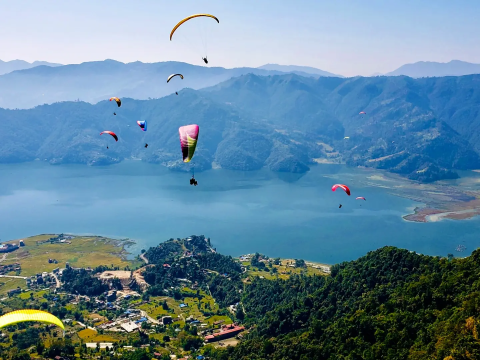
Nepal is a dream destination for trekking enthusiasts and cultural explorers alike. Known worldwide for its dramatic landscapes, towering snow-capped peaks, and vibrant traditions, Nepal offers a vast range of trekking and tour options to suit every adventurer’s desires and abilities. Whether you are an experienced trekker ready to conquer

The Kathmandu Valley in Nepal is one of the rare destinations in the world where an entire region is recognized as a UNESCO World Heritage Cultural Zone. Within a compact geographical area, it preserves seven monumental heritage sites that represent centuries of artistic excellence, religious harmony, and royal legacy. These sites collectively


 (38)
(38)  100% recommend (56)
 (34)
(34)